
News
Is 6G Coming? Are There Opportunities for Microwave Dielectric Ceramics?
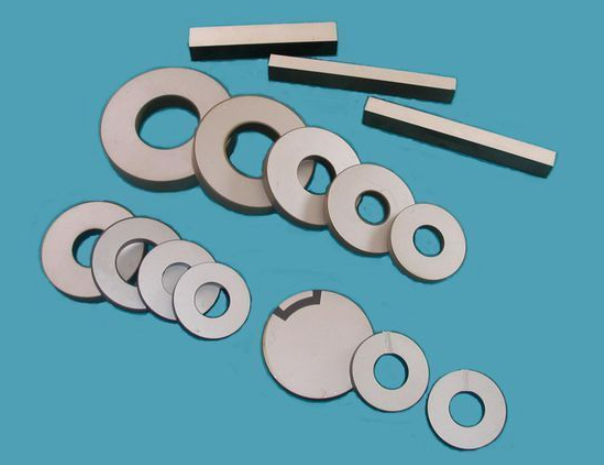
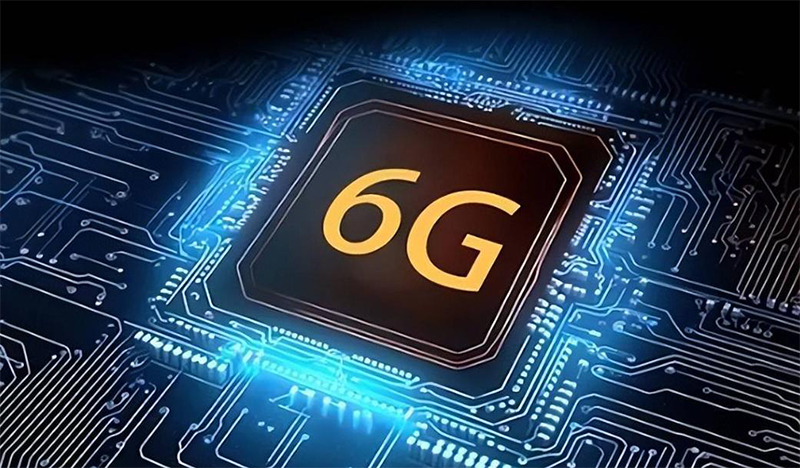
Several years have passed since the commercial roll‑out of 5G communications. Since Huawei adopted ceramic dielectric filter solutions for 5G base stations, China’s microwave dielectric ceramic industry has entered a phase of rapid growth. As a vital class of electronic ceramic materials, microwave dielectric ceramics feature high dielectric constant, small temperature coefficient of resonant frequency and low dielectric loss, enabling electronic components with outstanding performance. As 6G‑the next‑generation communication technology‑draws near, can the microwave dielectric ceramic industry seize new opportunities?
Process Pain Points of Reinforced Membranes for PEM/AEM Electrolyzers
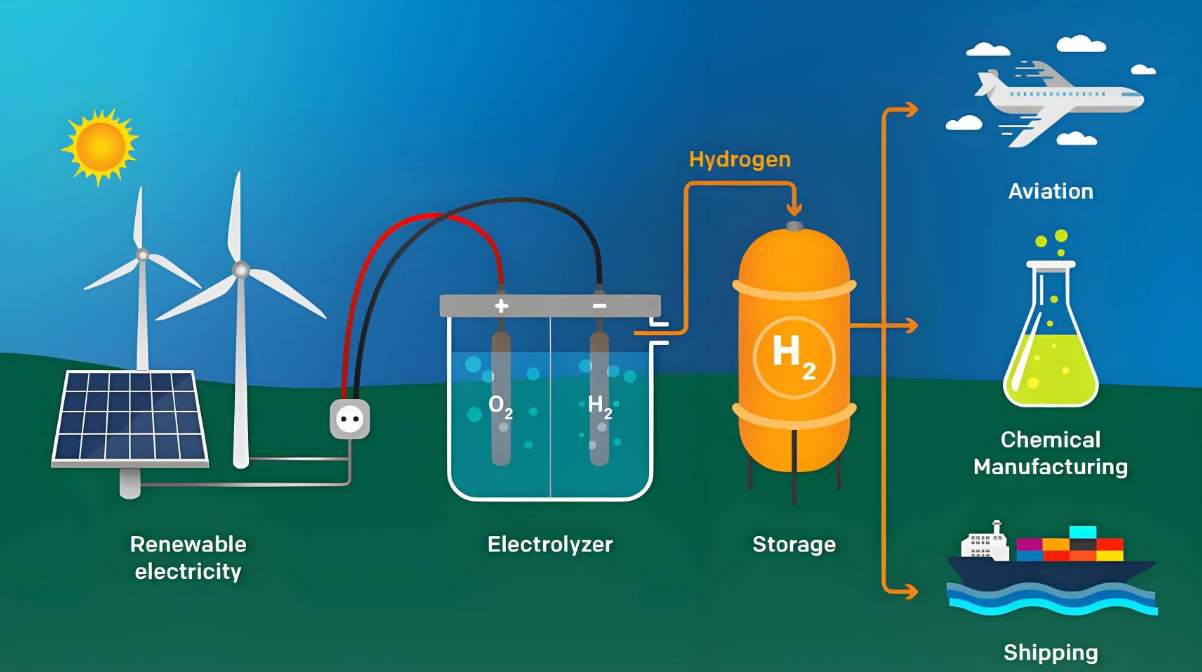
In hydrogen electrolyzer core component manufacturing, proton exchange membrane (PEM) and anion exchange membrane (AEM) fabrication stands as a critical gateway that defines stack performance limits and mass-production feasibility. Reinforced membranes integrate a porous reinforcing scaffold into a homogeneous polymer matrix, substantially boosting mechanical strength and dimensional stability while retaining high ionic conductivity. For PEM systems, the reinforcing layer is typically controlled at around 80 μm to balance ohmic losses from reduced thickness and mechanical insufficiency risks.
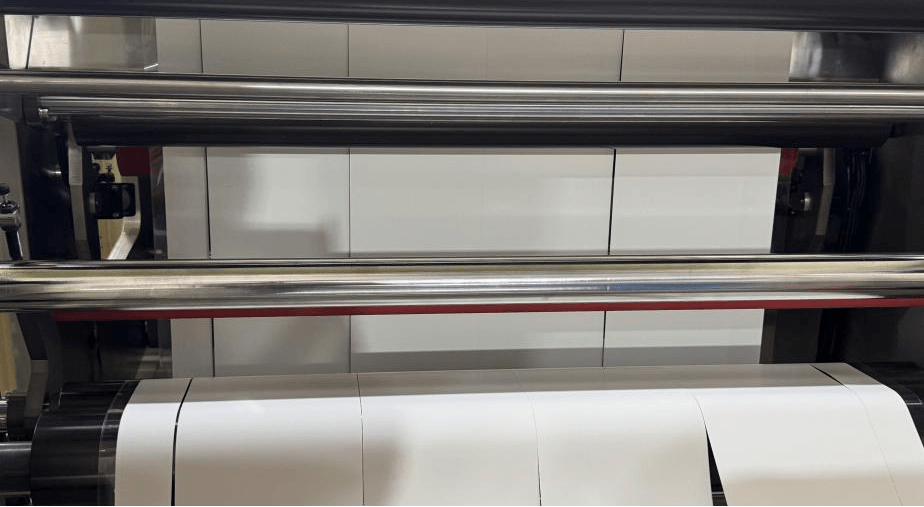
Analysis of LTCC Tape Casting Process and Application of Precision Tape Casting Equipment
LTCC (Low Temperature Co-fired Ceramic) technology is a core manufacturing process in the fields of radio-frequency devices, multilayer ceramic substrates, passive integrated devices, and sensor packaging.
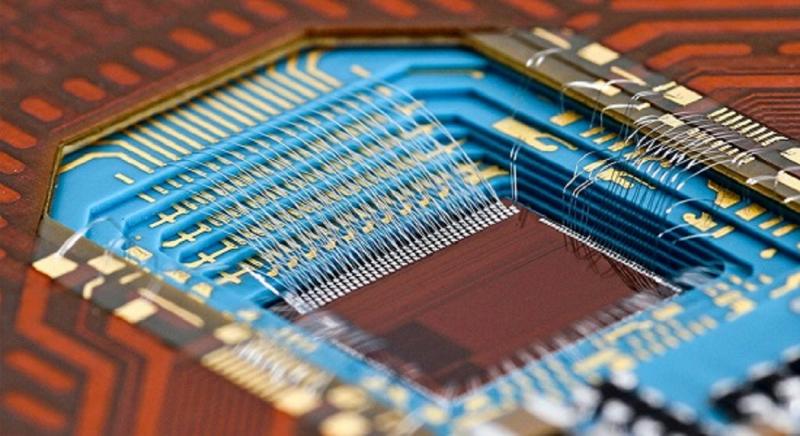
What is LTCC Material?
Low-Temperature Co-fired Ceramic (LTCC material) is a specialized type of ceramic substrate widely used in the electronics industry. Characterized by its ability to combine ceramic and conductive materials in a single substrate while being fired at relatively low temperatures (below 1000°C), LTCC material offers exceptional mechanical, electrical, and thermal properties. This unique composition makes LTCC highly sought after for applications in high-frequency circuits, RF modules, sensors, and more.

Key Points of Tape Casting for Zirconia Ceramic Electrolyte of SOFC

Warm Isostatic Pressing (WIP) Applications in Ceramic and Energy Storage Green Body Forming
Warm Isostatic Pressing (WIP) is a critical advanced forming technology that uses deionized water as the pressure medium to achieve uniform densification of green bodies under moderate temperature (50-200℃) and high pressure (100-600MPa) conditions. Its core advantages of uniform pressure distribution, precise temperature control, and clean processing make it indispensable in high-performance manufacturing sectors globally. This report focuses on WIP's applications in two key industries: ceramics and energy storage, highlighting its value in green body forming for international markets.

What are the Molding Methods of Ceramic Microwave Filters?

2025 PRODUCTRONICA Munich: Nov 18-21, Explore New Horizons in Electronic Manufacturing

LTCC: Behind 5G/Military Hardcore Technology, Casting Machine is Key to Green Tape Forming!

Electrostatic Chuck (ESC)
The Electrostatic Chuck (ESC) is an ultra-clean wafer carrier suitable for vacuum and plasma working environments. It utilizes the principle of electrostatic adsorption to clamp ultra-thin wafers in a flat and uniform manner. In integrated circuit manufacturing, it serves as a core component in high-end equipment such as thin-film equipment, etchers, ion implanters, and metrology equipment.