In the fast-changing world of manufacturing these days, having a really good Coating Machine is more important than ever for businesses looking to boost productivity and get things done more efficiently. Like Barbara Henderson, who’s a big name in the coating machine scene and runs Advanced Coatings Technology, puts it: “ Picking the right coating machine can really cut down on production time, all while making sure the final product is top-notch.”
As we check out the top 10 coating machines of 2023 that are making production smoother, it’s pretty clear how these high-tech gadgets are shaking things up across different industries—whether it’s cars or electronics. Each of these machines on our list shows off some serious innovation and dependability, tailored to what modern manufacturers need. Let’s be real: chasing efficiency isn’t just a passing trend anymore, it’s become a must. That’s why it’s super important for companies to invest in the latest gear that can handle today’s competitive market.
In this quick rundown, we’ll go over what makes each coating machine special—covering features, perks, and what sets them apart. Hopefully, this gives manufacturers a clearer idea of which machines can really make a difference, helping them run better operations and grow steadily over time.
Overview of Coating Machines and Their Importance in Production
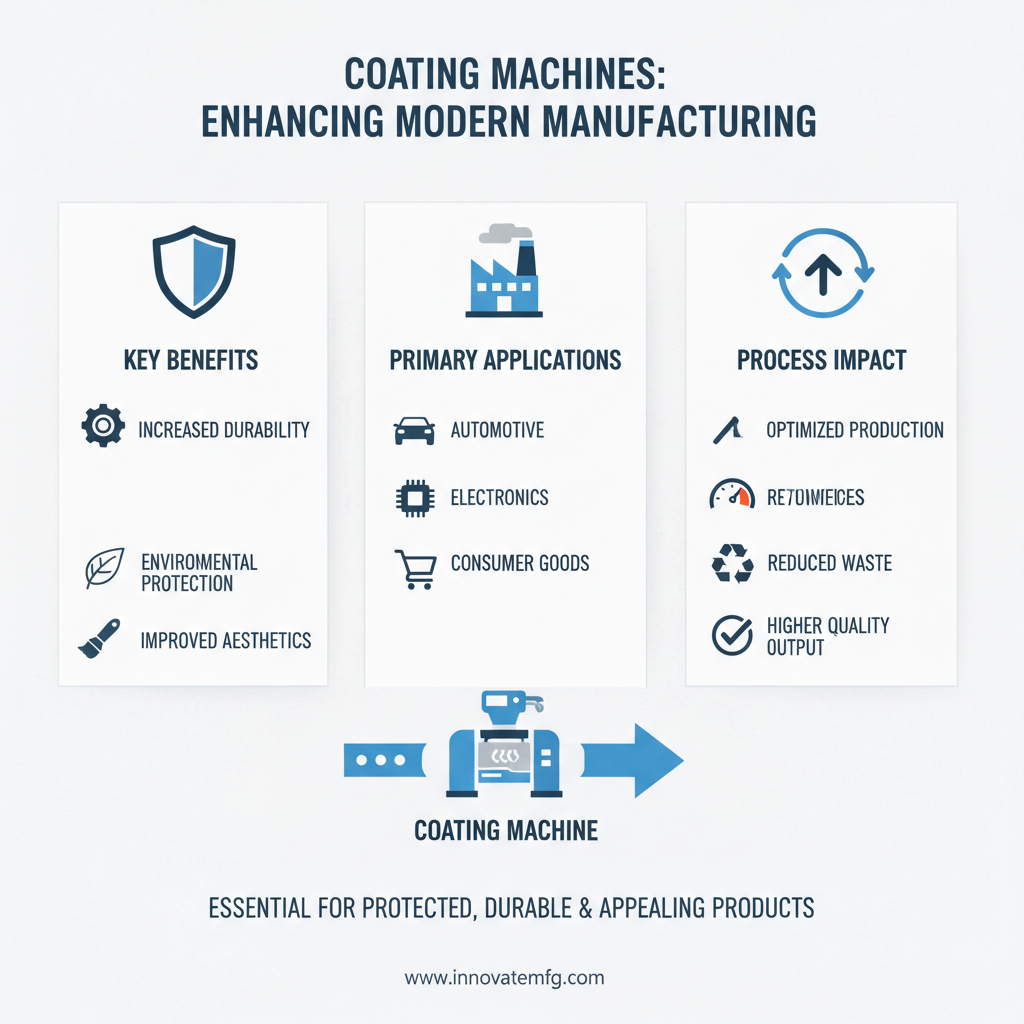
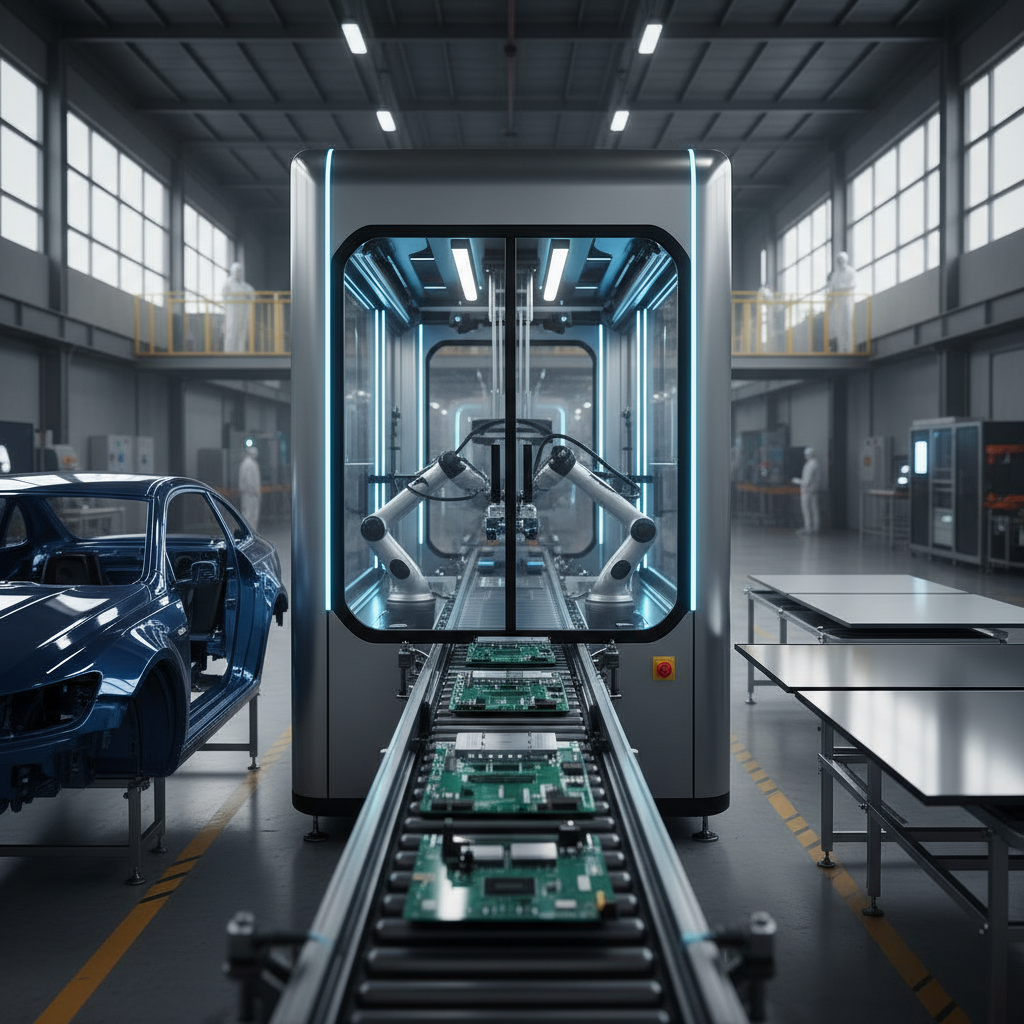
Coating machines play a vital role in modern manufacturing processes by ensuring products are not only visually appealing but also protected against environmental factors and wear over time. These machines apply various types of coatings, including paints, varnishes, and protective films, thus enhancing the durability and functionality of products. In industries such as automotive, electronics, and consumer goods, efficient coating processes can significantly improve production lines, reduce waste, and ultimately lead to higher quality outputs.
When choosing a coating machine, it is crucial to consider factors such as the type of coating materials, application methods, and the workflow of your production line. A well-suited machine can streamline operations and minimize downtime.
Tips: Always assess the specific requirements of your production environment before purchasing. Additionally, regular maintenance of your coating machinery can prevent costly downtimes and ensure consistent performance. Investing in training for your staff on the best practices for operating and maintaining these machines can also lead to more efficient production and a better end product.
Factors to Consider When Selecting Coating Machines
When selecting coating machines for efficient production, several critical factors come into play to ensure optimal performance and return on investment. One of the foremost considerations is the type of coating process that aligns with the product requirements. According to a report by Smithers Pira, the global market for coating machinery is expected to reach approximately $23 billion by 2025, driven by advancements in technology and increasing demand for high-quality finishes across industries. This underlines the necessity to choose machines that can accommodate specific materials and offer flexibility for various coating techniques, such as spray, dip, or electrostatic applications.
Another vital consideration is machine efficiency, which directly impacts production timelines and costs. High-quality coating machines should exhibit superior speed and precision, minimizing waste and ensuring uniform application. Research indicates that manufacturers using automated coating systems can reduce material waste by up to 30%, highlighting the importance of technology integration in modern production lines. Additionally, factors such as ease of maintenance and compatibility with existing production systems play a crucial role in the decision-making process to optimize overall operational efficiency.
Top 10 Coating Machines for Various Industrial Applications
When selecting coating machines for various industrial applications, it is essential to consider the specific needs of each sector. From automotive to electronics, the right coating technology can significantly enhance product quality and operational efficiency. For example, automotive manufacturers often require machines that can provide durable finishes, withstand harsh environmental conditions, and ensure consistent application to meet stringent safety standards. Advanced machines equipped with automated control systems are increasingly popular for achieving high precision in these applications.
In the electronics industry, coating machines that specialize in conformal coatings are vital for protecting sensitive components from moisture, dust, and other environmental factors. These machines must offer features like high-speed application and curing processes to keep up with the rapid production timelines typical in electronics manufacturing. Furthermore, coatings that provide additional functionalities, such as thermal conductivity or electrical insulation, are becoming key selling points for machines in this sector. The adaptability of coating machines across various applications ultimately drives production efficiency and supports innovation in industrial processes.
Features and Specifications of High-Performance Coating Machines
In 2023, the demand for high-performance coating machines has surged due to the increasing focus on efficiency and precision in production processes. According to a recent industry report from Grand View Research, the global market for coating machinery is expected to reach $7.5 billion by 2025, growing at a CAGR of 4.2%. This growth is primarily driven by advancements in technology and the need for coating solutions that can handle diverse materials and applications.
Modern coating machines come equipped with features such as automated feeding systems, programmable logic controllers (PLCs), and enhanced spray technologies that significantly improve coating uniformity and reduce waste. For instance, machines utilizing electrostatic spraying technology can achieve up to 90% transfer efficiency, as highlighted in a study published by the Coatings Industry Association. Additionally, many high-performance models now feature real-time monitoring systems, enabling manufacturers to maintain tight control over coating thickness and quality, thereby minimizing rework and maximizing productivity.
Comparative Analysis of the Top 10 Coating Machines in 2023
In 2023, the landscape of coating machines has evolved significantly, driven by advancements in technology and a growing emphasis on efficiency in production. Our comparative analysis of the top 10 coating machines reveals distinct features and capabilities that cater to various industrial needs. Each machine offers unique advantages, from enhanced precision to accelerated production speeds, making them vital tools for manufacturers aiming to improve their operations.
As a national high-tech enterprise, Zhejiang Dron Technology Co., Ltd. has been at the forefront of innovation since its establishment in 2004. With our commitment to integrating development, design, research, production, and sales service, we provide cutting-edge coating machines that are designed for a wide range of applications. Our focus on advanced production equipment ensures that our clients can achieve optimal performance and efficiency, positioning them well within today's competitive market.
Maintenance Practices for Coating Machines to Ensure Efficiency
Regular maintenance of coating machines is essential to ensure optimal efficiency in production. One of the primary practices includes routine inspections, where operators should closely examine critical components such as pumps, spray nozzles, and filters. Addressing wear and tear before they escalate into significant issues can prevent unexpected downtime and maintain consistent quality in the coating process. Additionally, keeping detailed maintenance logs helps track performance and identify recurring problems, paving the way for targeted interventions.
Another essential maintenance practice is calibration. Coating machines must be frequently calibrated to ensure accuracy in application thickness and material consistency. This involves checking the machine settings against the specifications provided by the manufacturer. Proper calibration not only enhances product quality but also reduces material waste, ultimately contributing to more sustainable production practices. Furthermore, training operators on best maintenance practices can foster a culture of care and attention, leading to improved machine longevity and efficiency in production lines.
Top 10 Coating Machines for Efficient Production in 2023
| Machine Model | Coating Type | Production Speed (m²/h) | Efficiency Rating | Maintenance Frequency (Months) |
| Model A | Powder Coating | 100 | 5/5 | 6 |
| Model B | Liquid Coating | 80 | 4/5 | 3 |
| Model C | Electrostatic Coating | 120 | 5/5 | 12 |
| Model D | UV Coating | 90 | 4/5 | 6 |
| Model E | Spray Coating | 110 | 5/5 | 9 |
| Model F | Dip Coating | 70 | 3/5 | 8 |
| Model G | Anodic Coating | 95 | 4/5 | 12 |
| Model H | Ceramic Coating | 85 | 4/5 | 6 |
| Model I | Powder Coating | 115 | 5/5 | 7 |
| Model J | Liquid Coating | 75 | 3/5 | 5 |
Future Trends in Coating Machine Technology and Production Efficiency
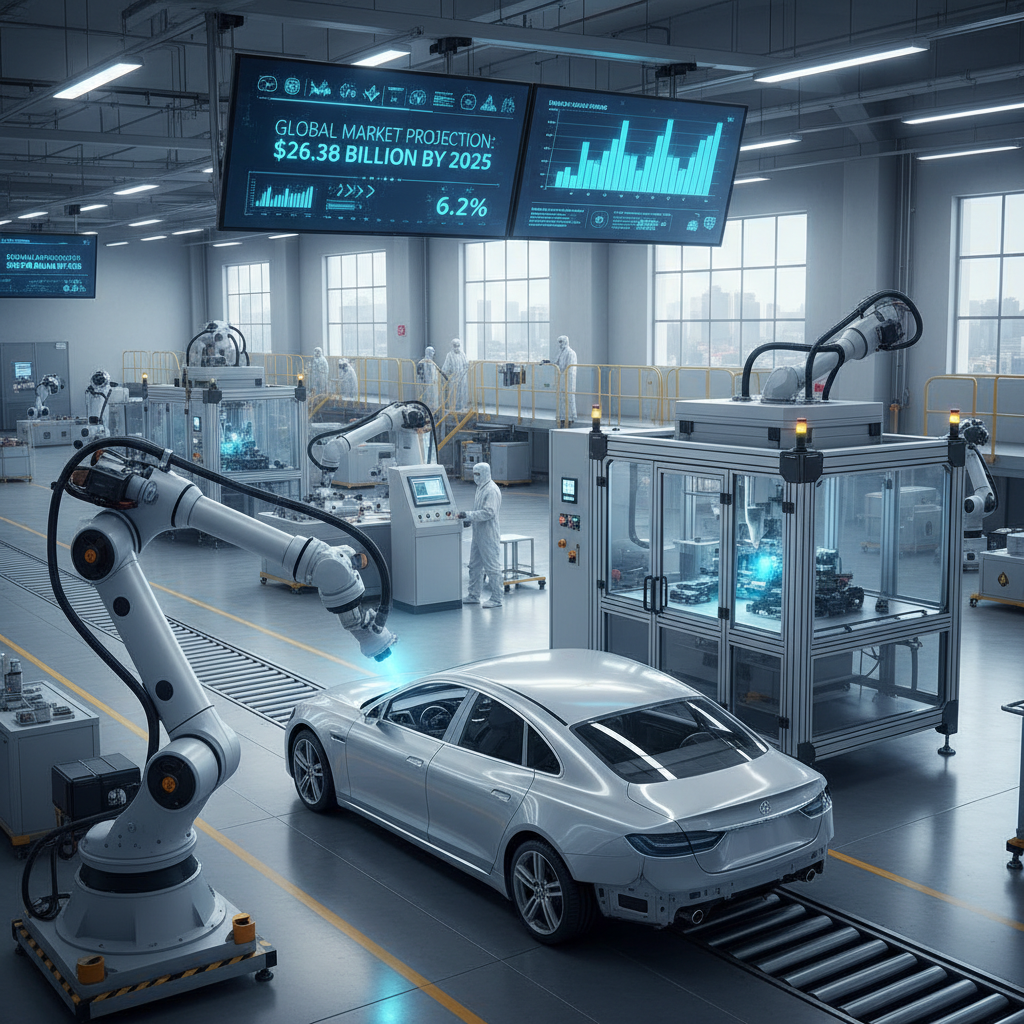
As the coating machine industry evolves, the focus on production efficiency is becoming increasingly critical. According to a recent report by MarketsandMarkets, the global coating equipment market is projected to reach $26.38 billion by 2025, growing at a CAGR of 6.2% from 2020. This growth signifies a shift towards more automated and precise coating solutions, driven by technological advancements and an increasing demand for high-quality finishes across various sectors, including automotive, aerospace, and electronics.
Future trends in coating machine technology will likely feature enhanced automation through the integration of IoT and AI capabilities. These innovations can enable smarter production processes, where machines self-optimize and adapt to changing demands in real-time. A study by Research and Markets highlights that the adoption of AI in industrial applications could boost productivity by 25% or more, showcasing a significant leap in operational efficiency. Furthermore, there is a growing emphasis on sustainable practices, with manufacturers developing eco-friendly coating materials and processes that not only reduce waste but also meet stricter regulations.
Incorporating these advancements into production lines is essential for manufacturers aiming to enhance their competitive edge. The adoption of smart technology and sustainable practices not only improves efficiency but also aligns with the evolving market landscape and consumer expectations. As the coating machine industry continues to innovate, staying ahead of these trends will be crucial for optimizing production and ensuring long-term sustainability.
Innovative Manufacturing Solutions: The ME-series Large-Scale Tape Casting Machine for Advanced Applications
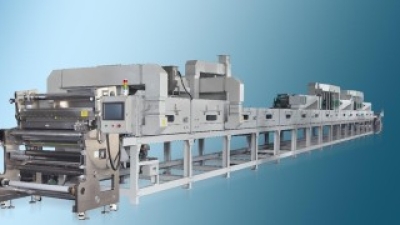
The manufacturing landscape is rapidly evolving, with innovations driving efficiency and precision in production processes. Among these advancements, the ME-series Large-Scale Tape Casting Machine stands out as a pivotal solution for high-demand applications. Designed with the highest production standards, this fully automatic Tape Caster is engineered to meet the needs of industries requiring large-volume outputs with unparalleled consistency and quality.
Tape casting is integral to the production of advanced materials, particularly in sectors such as electronics and battery manufacturing. According to a recent market report, the global tape casting market is projected to grow at a compound annual growth rate (CAGR) of 7.5% through 2027, driven by the rising demand for high-performance materials. The ME-series machine perfectly aligns with this trend, offering automated processes that minimize human error while maximizing throughput, making it ideal for large-scale operations.
Moreover, the ME-series is equipped with state-of-the-art technology that allows for precise control over thickness, width, and uniformity of the cast films, ensuring that even the most demanding specifications are met. In a world where material efficiency and sustainability are paramount, the machine's ability to reduce waste and increase yield is a significant advantage. With the ME-series, manufacturers can achieve not just operational excellence but also contribute positively to environmental goals by optimizing resource usage. This innovation is a game-changer, empowering businesses to advance their capabilities in competitive markets.
FAQS
: Coating machines are used to apply various types of coatings, such as paints, varnishes, and protective films, to enhance the visual appeal and durability of products while protecting them from environmental factors and wear.
Efficient coating processes can significantly improve production lines by reducing waste and downtime, leading to higher quality outputs and enhanced operational efficiency.
Key factors include the type of coating materials, application methods, machine efficiency, maintenance requirements, and compatibility with existing production systems.
High machine efficiency ensures superior speed and precision in coating applications, minimizing material waste and ensuring uniform application, which can enhance overall production timelines and reduce costs.
Common coating application methods include spray, dip, and electrostatic applications, each suited for different materials and product requirements.
Automotive coating machines must provide durable finishes, withstand harsh environmental conditions, and ensure consistent application to meet stringent safety standards.
Conformal coatings protect sensitive electronic components from moisture, dust, and environmental factors, which is crucial for maintaining the functionality and longevity of these components.
Technology integration can lead to significant reductions in material waste—up to 30%—and enhances the precision and speed of the coating processes, ultimately improving product quality.
Investing in training for staff on best practices for operating and maintaining coating machines can lead to more efficient production and a better end product.
The global market for coating machinery is expected to reach approximately $23 billion by 2025, driven by advancements in technology and the increasing demand for high-quality finishes.
Conclusion
In the evolving landscape of manufacturing, the significance of coating machines cannot be overstated. These machines play a crucial role in enhancing product durability and performance across various industrial applications. When selecting a coating machine, factors such as production efficiency, compatibility with materials, and technological advancements must be considered to ensure optimal performance.
This article reviews the top 10 coating machines of 2023, highlighting their features, specifications, and comparative advantages. It provides insights into maintenance practices that can maximize efficiency and delves into future trends in coating machine technology, underscoring the importance of innovation in boosting production standards. Companies like Zhejiang Dron Technology Co., Ltd. exemplify the commitment to providing advanced coating machine solutions tailored to diverse manufacturing needs.