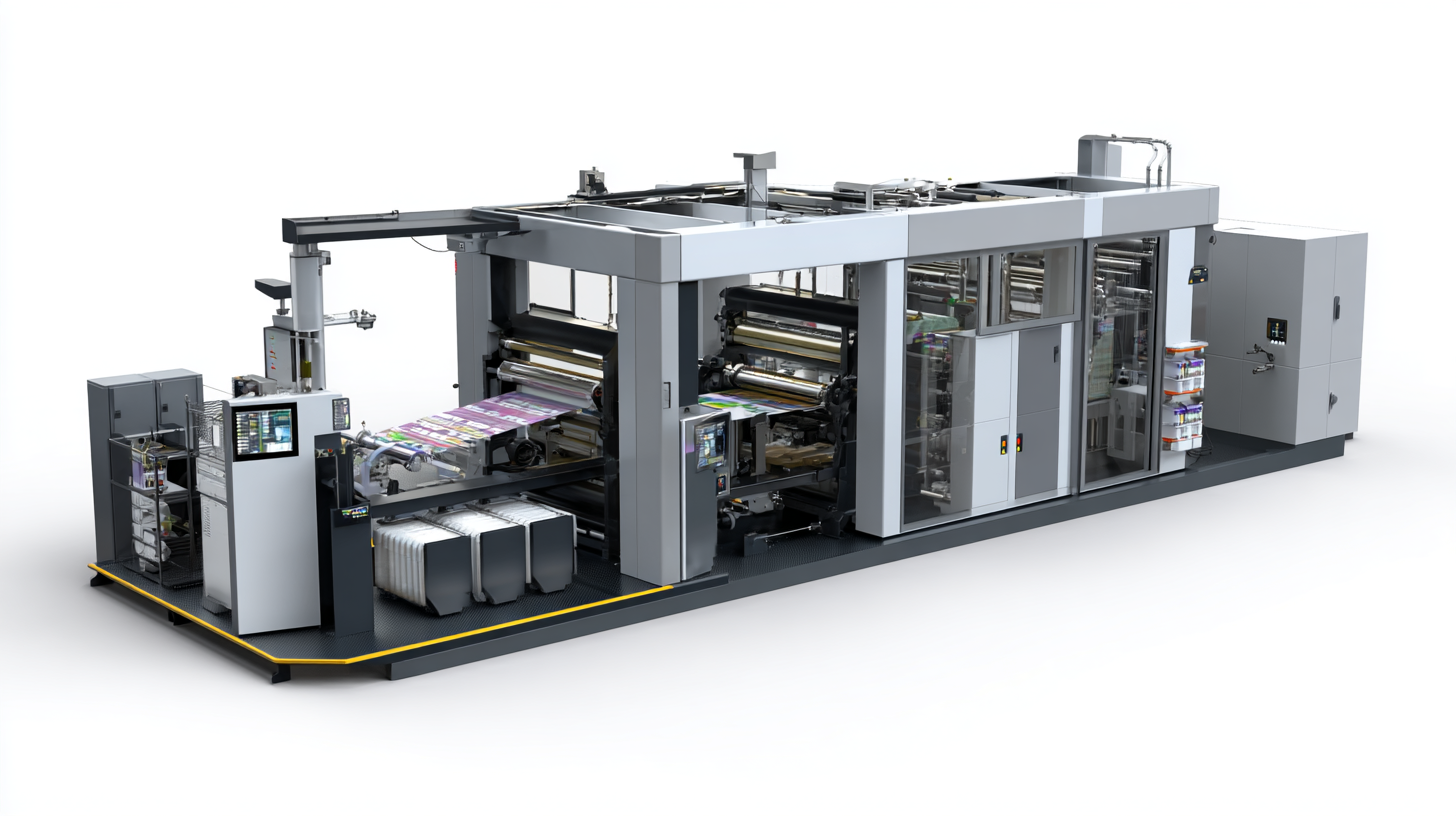
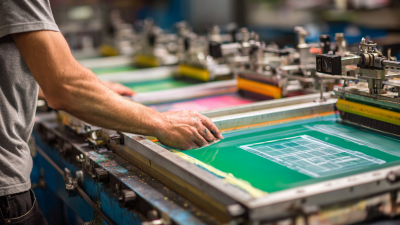
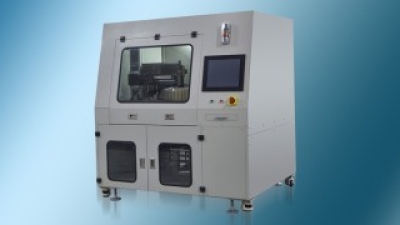
Hey there! In today's fast-changing world of manufacturing, getting things done efficiently really matters—especially in areas like Screen Printing where precision and quick turnaround are key to staying ahead. At Zhejiang Dron Technology Co., Ltd., we've been around since 2004, proudly holding the title of a high-tech enterprise. We're all about bringing innovation into the way we design, develop, and produce our advanced screen printing machines, which are built to handle a wide range of applications. In this blog, I’ll share some cool tips and strategies to help boost the efficiency of your screen printing setup. If you’re a manufacturer looking to get better results and keep up with the competition, these ideas might just do the trick. By trying out these methods, you'll not only crank up your productivity but also deliver top-notch quality that customers expect in today’s tough market.
Identifying Bottlenecks in Screen Printing Processes for Enhanced Efficiency
In today's world of manufacturing, screen printing is pretty much essential for producing top-notch prints on a variety of materials. But let’s be honest, there are often bottlenecks that slow things down and cut into productivity. Figuring out where these pinch points are is really key if you want to smooth out the workflow and get things running more efficiently. One of the main culprits? The setup time for each print run. Luckily, this can be cut way down by bringing in some automation tech. When you upgrade to smarter systems, switching between jobs becomes faster and less of a hassle.
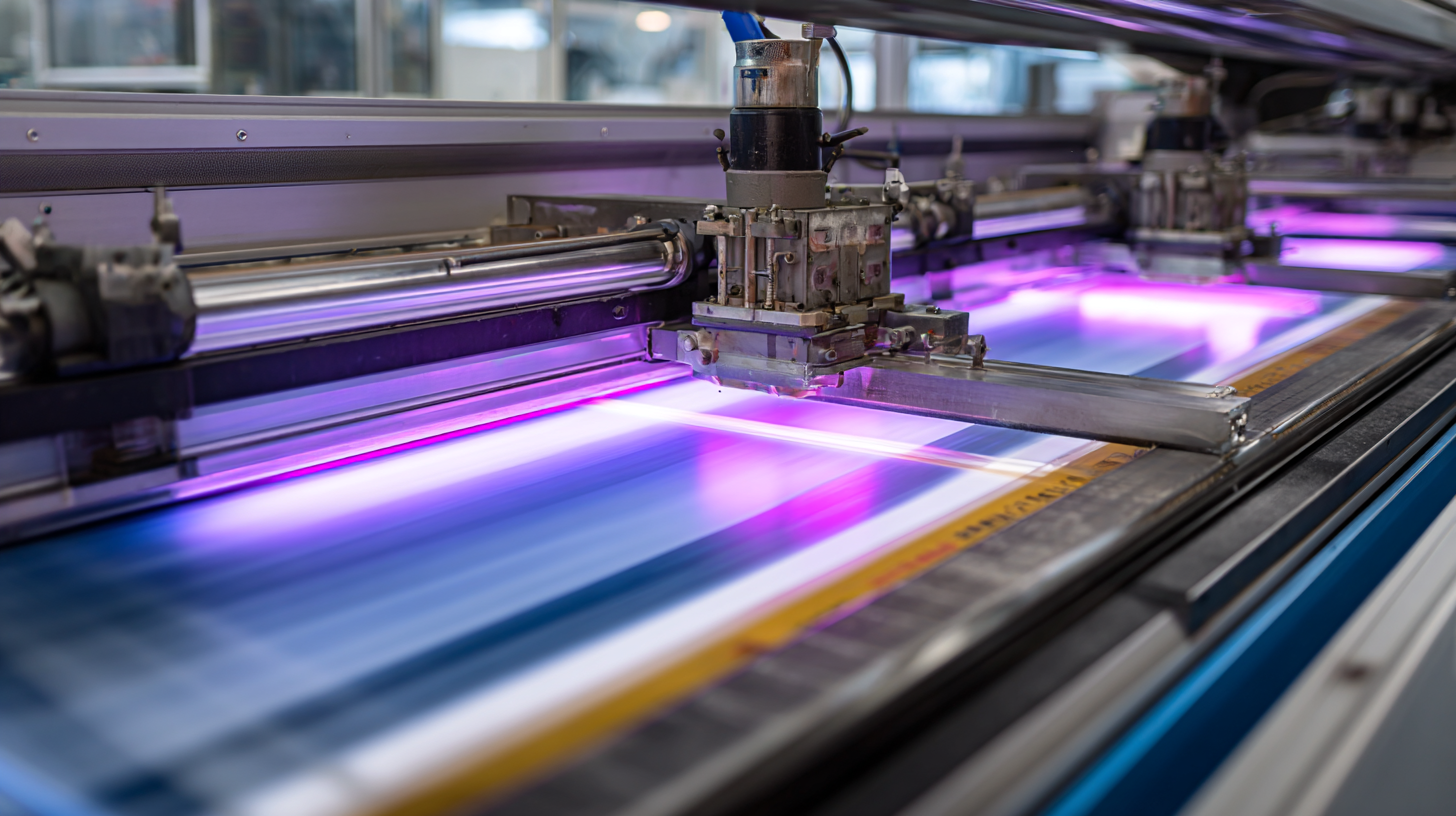
Then there's the drying time, which is another common hold-up. A lot of places still stick to traditional drying methods, and that can really slow things to a crawl. But using quicker drying options like infrared or UV curing can seriously slash the wait time, so the next step in production can start sooner without unnecessary delays. Oh, and don’t forget—keeping your equipment in good shape is super important. Worn-out parts not only mess with the print quality but can also grind the process to a halt. Having a routine maintenance plan helps avoid unexpected breakdowns and keeps everything running smoothly.
If you focus on these areas and get creative with your solutions, you can really tackle those bottlenecks. This means faster production cycles, better quality, and staying competitive in the market. At the end of the day, it’s all about working smarter, not harder.
Implementing Automation Technologies to Streamline Screen Printing Workflows
Hey, in today's really fast-changing world of manufacturing, using automation tech in screen printing is kind of a game-changer. It’s making things way more efficient! When you streamline your processes, you not only cut down on mistakes made by folks, but you also crank up the speed of production and get more consistent quality across all your products. Automation helps you connect high-tech printing machines with software that handles the workflow smoothly — it’s like having everything run like clockwork, saving you time and resources.
**Tip 1:** Take a good look at how things are running right now and see where the slow points or bottlenecks are. Putting in automated screen printing machines and real-time monitoring systems can really boost your workflow and make everything flow a lot better.
Oh, and don’t forget about quality control. Adding automated checks with sensors and even machine learning can spot defects early and keep print consistency high. Basically, every piece you produce will meet those top standards you’re aiming for.
**Tip 2:** Also, make sure your team knows how to use these new tools and software. When everyone’s up-to-speed, they can get more out of the tech, work more efficiently, and stay ahead as technology keeps advancing in screen printing. It’s all about staying adaptable, right?
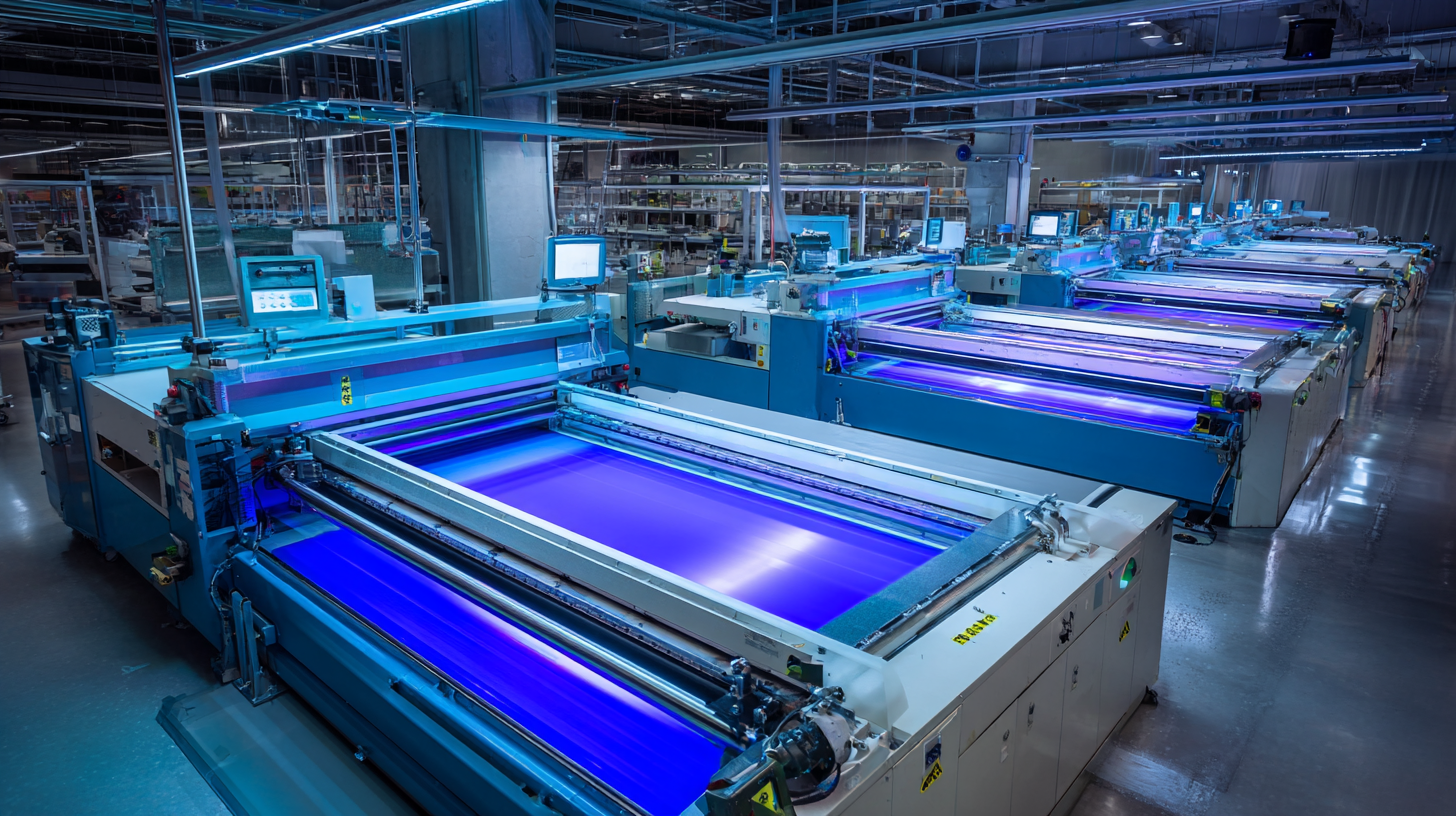
Utilizing Data Analytics to Optimize Screen Printing Machine Performance
In today's fast-changing world of manufacturing, bringing data analytics into the mix for screen printing isn’t just a nice-to-have anymore — it’s pretty much essential if you want to keep things running smoothly. Recent reports suggest that the global market for screen printing is set to grow a lot, mainly because more industries are looking for custom products. By tapping into advanced data analytics, producers can make their machines work better, cut down on unexpected breakdowns, and boost the overall quality of what they make. It’s kind of like having a real-time health check for your equipment, which helps catch problems early before they turn into big issues.
Plus, with these data insights, manufacturers can dig into performance stats and spot patterns that help with predictive maintenance. Like, studies show that using predictive maintenance can slash downtime by up to 30%. That can add up to some serious savings and faster production. As more companies jump on this bandwagon, the combo of data analytics and screen printing tech is really changing the game — making things more efficient and keeping manufacturers competitive. Embracing these new techs isn’t just good for individual businesses; it helps push the entire manufacturing industry forward.
Efficiency of Screen Printing Machines
Exploring Sustainable Practices to Increase Efficiency in Screen Printing
You know, in today’s manufacturing world, screen printing is still super important, especially when it comes to stuff like textiles and electronics. But let’s be honest, the old-school methods can really harm the environment, which is a big reason why folks are now looking for more sustainable options. I read somewhere that, according to Smithers Pira, the market for green printing tech is expected to grow by over 10% every year—that’s a pretty clear sign that everyone’s shifting gears toward greener practices.
One cool thing happening is the use of eco-friendly inks and solvents. Water-based inks, for example, are really gaining popularity because they cut down VOC emissions—sometimes by as much as 90% compared to traditional solvent-based inks. Plus, if you automate pretty much everything—like washing screens and reclaiming emulsions—you can cut water usage by about half! That’s a win-win: it saves the planet and also saves money for manufacturers.
And there’s more! Think about leveraging smart tech, like IoT devices, to improve workflows. According to a study in the International Journal of Advanced Manufacturing Technology, using these real-time monitoring tools can bump up production speed by more than 25%. So, not only are these new solutions making things more efficient, but they also help companies meet the rising consumer demand for environmentally friendly manufacturing. It’s pretty exciting to see how tech and sustainability are coming together to change the game.
Innovative Solutions for Screen Printing Machine Efficiency in Modern Manufacturing
| Aspect | Current Statistics | Innovative Practices | Sustainability Impact |
| Production Speed (units/hour) | 120 | Automated Printing Systems | Reduces waste; Optimizes ink usage |
| Energy Consumption (kWh/unit) | 0.5 | High-Efficiency Motors | Lowers carbon footprint |
| Material Waste (%) | 15 | Ink Recycling Systems | Promotes circular economy |
| Downtime (%) | 10 | Predictive Maintenance Tools | Increases efficiency and lifespan of machines |
| Employee Training Hours (per month) | 20 | Skill Development Programs | Enhances operational efficiency |
| Customer Satisfaction (%) | 85 | Quality Control Innovations | Improves product quality |
Training Employees on Best Practices for Maximizing Screen Printing Output
In today’s manufacturing world, especially when it comes to screen printing, onboarding new employees really makes a big difference in how efficiently things run and how much gets done. Training newbies on the best practices not only helps them get up to speed faster but also encourages a mindset of continuous improvement. A solid onboarding process should include hands-on training—let new folks get a feel for the equipment, learn the techniques, and understand safety protocols that are key to producing top-quality prints. This kind of immersive experience builds their confidence and skills, so they can actually make a real difference in hitting production targets.
On top of that, if companies want to get the most out of their training investment, they should think about adding strategic initiatives. Regular workshops and refresher courses are great ways to keep everyone up to date on the latest tech and trends in screen printing, which helps spark innovation and boost efficiency. Plus, creating an environment where team members can share tips and experiences really fosters teamwork and collaboration—both are crucial when you’re working in a fast-paced manufacturing setting. By putting a real focus on employee education and engagement, companies not only ramp up their output but also build a motivated workforce that’s committed to doing excellent work.
Integrating Latest Materials and Inks for Improved Screen Printing Results
Hey there! When you're diving into modern manufacturing these days, it’s pretty amazing how mixing in the latest materials and inks can totally level up your screen printing game — making things not just look better, but also work more smoothly. Using eco-friendly inks is a win-win; it’s kinder to the environment and also sparks some cool creative ideas since you’re not limited by traditional options. Things like water-based or UV-reactive inks aren’t just about colors being vibrant (which they definitely are) — they also last longer and hold up well on all kinds of surfaces.
Here's a little tip: don’t be afraid to try out different types of inks. A quick test run can really help you discover what works best with your materials. That way, your prints will pop and stay intact for ages.
And don’t forget — the screens and emulsions you pick really matter. Going for high-quality mesh screens makes your designs clearer and the details sharper. Plus, using better emulsions can boost your resolution and speed up your setup times. All this can make your workflow smoother, meaning you can crank out more jobs, faster.
Here's another tip: investing a bit more in top-notch screens and emulsions might seem pricey at first, but in the long run, they save you time and boost your output quality. Just keep in mind, regular care and maintenance will help them last even longer and keep everything running smoothly.
Transforming Ceramic Manufacturing: The Advantages of Automatic Punching Machines
The advent of automatic Punching Machines is revolutionizing the ceramic manufacturing industry, particularly in the production of green ceramic tapes. These machines are specifically designed to punch precise holes into the green ceramics, allowing for enhanced flexibility and customization in product design. By integrating advanced technology, manufacturers can achieve higher precision and efficiency, ultimately reducing production time and costs.
One of the standout features of these automatic punching machines is their customizable punching heads. This adaptability ensures that different hole sizes and patterns can be accommodated according to the specific needs of each project. As a result, manufacturers are no longer constrained by the limitations of traditional manual methods. The capacity to quickly switch between different configurations allows companies to stay agile and responsive to changing market demands, fostering innovation in ceramic design.
Moreover, the use of automatic punching machines significantly minimizes human error, which is often a concern in manual operations. Consistent quality and repeatability are paramount in ceramic manufacturing, and these machines provide a reliable solution. The combination of speed, precision, and lower operational costs makes automatic punching machines an indispensable tool for manufacturers looking to enhance their production processes and maintain a competitive edge in the market.
FAQS
: Common bottlenecks include long setup times for each print run and extended drying times of prints.
Setup times can be significantly reduced by integrating automated systems that streamline setup procedures.
Implementing accelerated drying techniques such as infrared or UV curing can drastically decrease drying times.
Regular maintenance is essential to avoid worn-out parts that reduce printing quality and slow down operations, thereby minimizing downtime.
The use of eco-friendly inks, such as water-based inks, and automated systems for washing screens can help reduce environmental impact and increase efficiency.
Eco-friendly inks, like water-based options, can significantly reduce volatile organic compounds (VOCs) compared to traditional solvent-based inks.
Predictive analytics and smart manufacturing techniques can enhance workflow efficiency by allowing real-time monitoring of equipment and processes.
Implementing automated systems for washing screens and reclaiming emulsions can reduce water usage by up to 50%.
The global market for sustainable printing technologies is expected to grow by over 10% annually.
Adopting IoT-enabled devices allows for real-time monitoring of equipment and processes, potentially enhancing production speed by more than 25%.
Conclusion
In today’s fast-changing world of manufacturing, boosting the efficiency of screen printing machines isn’t just a good idea — it’s pretty much essential if you want to stay ahead of the competition. This blog’s gonna explore some key strategies to tackle common bottlenecks in the screen printing process. We’re talking about the importance of embracing automation tech that can make workflows smoother and more seamless. Plus, by using data analytics, manufacturers can fine-tune their machines to get better output and top-notch quality.
On top of that, we’re delving into sustainable practices that not only improve efficiency but also support global environmental efforts. Training your team well on best practices can really help maximize productivity, and switching to innovative materials and eco-friendly inks ensures the final results are top-tier. Here at Zhejiang Dron Technology Co., Ltd., we’re dedicated to providing cutting-edge production equipment designed for a variety of applications. Our goal? Helping the industry adopt these smart solutions to make screen printing more efficient, reliable, and eco-conscious.