Leave Your Message
0%

When it comes to fabric printing, you really can't overlook the importance of a good Screen Printing Machine. I remember Sarah Thompson from PrintTech Solutions saying, "The right screen printing machine can turn your creative ideas into reality," and honestly, that really stuck with me. Her words hit close to home in the world of screen printing, emphasizing just how big of a role the right equipment plays in bringing designs to life.

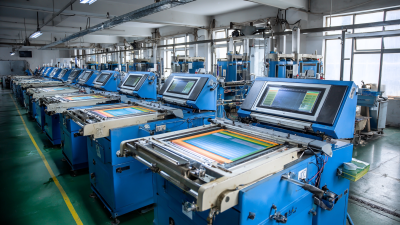
These machines are known for their precision and efficiency, which is why so many businesses swear by them. For example, an Automatic Machine For Screen Printing can really speed things up by cutting down on labor and saving time. That said, not every machine is perfect—some have a hard time keeping ink consistent or matching fabrics properly. These little hiccups remind us that picking the right machine really is key if you want to succeed in this competitive industry.

Getting to know how a Screen Printing Machine works can make your life a lot easier too. The mechanics behind it can get pretty complex, so knowing common mistakes can help you avoid delays and headaches. Sure, jumping into these technologies is exciting, but the truth is, continuous learning and staying adaptable are what really help you overcome challenges and get the best results.
What is a Screen Printing Machine and How Does It Work?

What is Screen Printing? An Overview of the Process

Screen printing is a versatile technique in the printing industry. It involves creating designs by pushing ink through a mesh stencil. This method is widely used for printing on various materials, including fabrics, plastics, and paper. The Global Screen Printing Market is projected to grow significantly, with estimates indicating a value of $6 billion by 2026, highlighting its importance.

The process starts with preparing a stencil, often made of a fine mesh material. A design is placed on this mesh, and ink is forced through using a squeegee. The printed image appears on the material beneath. Screen printing can be labor-intensive and requires precision. However, it offers vibrant colors and durability. Recent reports show that over 50% of printed textiles use this method due to its efficiency and quality.

Challenges exist within screen printing. Waste can accumulate during the setup process, with up to 20% of materials potentially discarded. Additionally, achieving consistent color can be tricky. Variations in ink or pressure can lead to different results. These factors require careful monitoring to maintain quality and reduce waste. This reflection on the challenges is crucial for improvement and innovation within the industry.

History and Evolution of Screen Printing Machines

The history of screen printing machines dates back centuries. Ancient methods utilized stencils and inks made from natural materials. The technique evolved in various cultures, including China and Japan, where artisans created intricate designs using fabric and paint.

In the 20th century, innovations transformed screen printing. The introduction of synthetic fabrics and inks made the process more efficient. Screen Printing Machine Manufacturers began developing automated systems. These machines improved accuracy and speed, allowing for mass production. Despite advancements, challenges remain in achieving perfect prints consistently. Colors can misalign, and designs may not transfer as intended.

As businesses grow, the need for precision increases. Yet, even the most advanced machines can have flaws. Artists often find themselves adjusting designs after printing. It can be frustrating but also prompts creativity. Screen printing continues to evolve, driven by technology and artistic expression, inspiring new generations of creators.

Key Components of a Screen Printing Machine

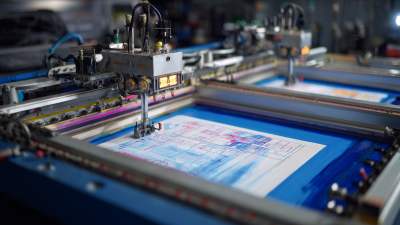
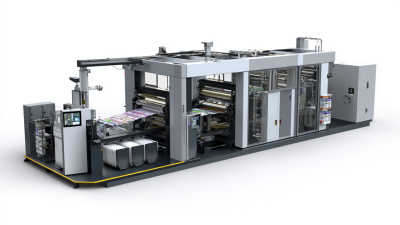
Screen printing machines are essential tools in the textile industry. Understanding their key components helps users maximize efficiency. The primary components include the frame, mesh, squeegee, and ink. The frame holds the mesh tightly, creating a stable surface for printing. The mesh is usually made of polyester, allowing ink to pass through. A squeegee pushes the ink through the mesh onto the substrate.

The ink used in an Industrial Screen Printing Machine varies. It can be water-based or plastisol. Water-based inks are eco-friendly and require less cleanup. On the other hand, plastisol inks provide vibrant colors and durability. It’s crucial to choose the right ink for the project. Each type responds differently during the curing process.

Tips: Regularly clean the screen to prevent ink buildup. A clean screen will ensure sharper prints. Also, monitor the squeegee pressure. Too much pressure can cause blurring, while too little will result in incomplete prints. Lastly, consider the mesh count based on the design's detail. Higher counts are better for intricate designs, while lower counts work best for bold graphics. Balancing these factors will help optimize production and quality.

What is a Screen Printing Machine and How Does It Work? - Key Components of a Screen Printing Machine

Component Description Function
Screen Frame A frame that holds the mesh and stencil. Provides structure and support for printing.
Squeegee A rubber blade used to push ink through the screen. Controls ink flow onto the substrate.
Mesh Screen A mesh fabric that holds the stencil. Allows ink to transfer to the material while blocking unprinted areas.
Ink Specialized ink that is durable and suitable for various surfaces. Provides color and design on the printed material.
Printing Surface The material or object being printed on. The final target for the printed design.
Exposure Unit Used to expose the screen with the stencil design. Transfers the stencil design onto the mesh screen.

How Screen Printing Machines Operate: Step-by-Step Process

What is a Screen Printing Machine and How Does It Work?

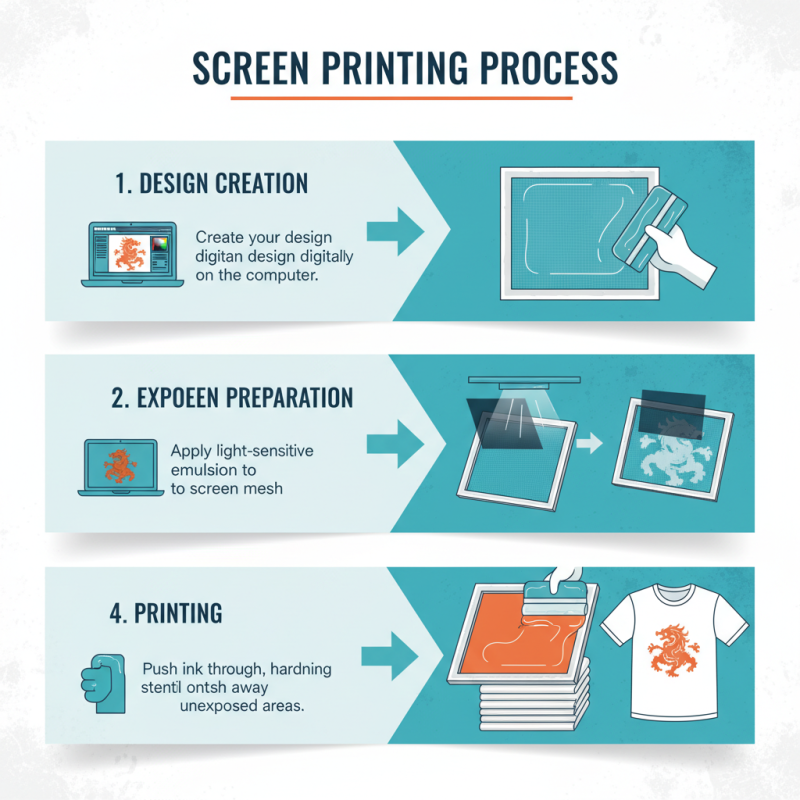
Screen printing is a popular method for transferring designs onto various materials. The process starts with a design being created on a computer. This design is then transferred onto a screen, which acts as a stencil. The screen is coated with a light-sensitive emulsion. When exposed to light, parts of the emulsion harden. The unexposed areas are washed away, leaving a negative image of the design.

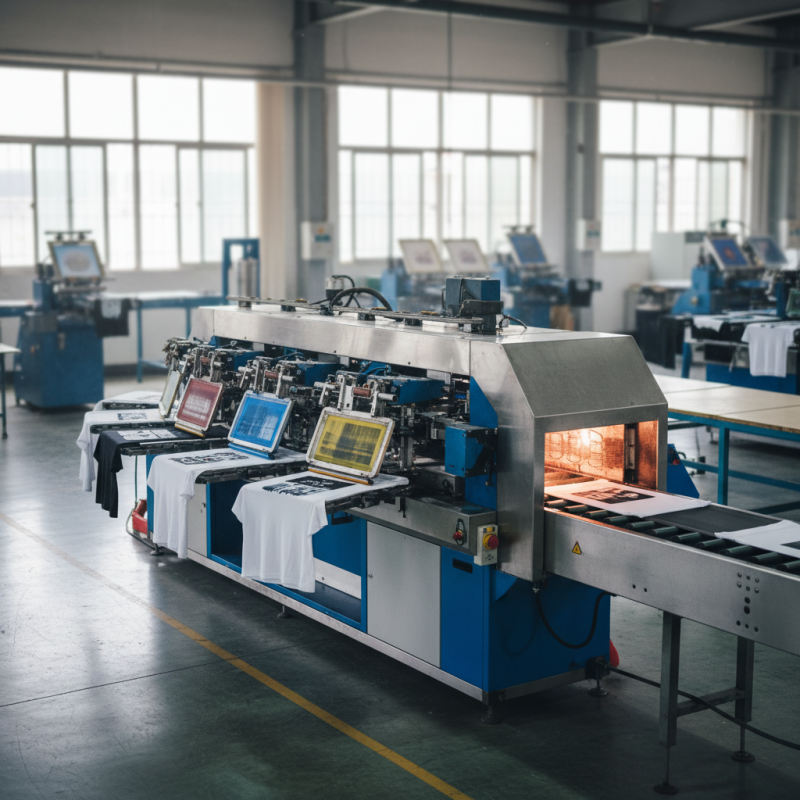
Once the screen is prepared, the printing process begins. An Automatic Screen Printing Machine applies ink through the screen onto the substrate. The machine moves the screen in an efficient and precise manner. Each color requires a separate screen, adding steps to the process. After the ink is applied, the printed material goes through a dryer. This ensures the ink adheres properly. Here, awareness of drying times is crucial; inappropriate times can ruin the print.

Even with automation, mistakes can happen. Inconsistent ink application can lead to flawed prints. Operators need to monitor the process closely. Adjustments may be necessary for optimal results. Each print run offers learning opportunities. It’s easy to overlook the details in the hustle of a busy production environment. Reflections on each print help improve future outcomes.

Types of Screen Printing Machines and Their Uses

Screen printing machines come in various types, each serving different purposes. The most common types are manual, semi-automatic, and fully automatic machines. Manual machines are ideal for small businesses or hobbyists. They require human effort to operate, making them cost-effective. However, they can slow down production rates.

Semi-automatic machines strike a balance. They reduce manual labor, enhancing productivity while remaining budget-friendly. These machines often feature automated functions like print registration and squeegee motion, making them suitable for medium-sized batches. Fully automatic machines, on the other hand, are designed for high-volume production. They can handle large orders efficiently. Their speed and precision significantly increase output, but the initial investment is substantial.

When choosing a screen printing machine, consider your production needs. A smaller operation may struggle with a fully automatic machine. Begin with a manual or semi-automatic model to better understand your requirements.

Tips: Always calibrate your machines properly. This ensures consistent quality in your prints. Don't rush through the setup process; take your time to avoid mistakes. Remember, a well-tuned machine saves you time and reduces waste.

Common Applications of Screen Printing in Various Industries

Screen printing is widely used in industries like textiles, automotive, and electronics. According to a recent report from Smithers Pira, the textile market for screen printing is projected to reach $6.2 billion by 2024. This growth comes from the demand for customized apparel. T-shirts, sportswear, and promotional Products commonly use screen printing due to itsvivid colors and durability.

In the automotive sector, screen printing plays a vital role. It is used to produce high-quality graphics and instrument panels. A report by the International Sign Association indicates that about 60% of printed graphics in this field utilize screen printing methods. Skilled labor is crucial here, showing that not all prints meet high standards. There are often imperfections in registration and color consistency, which can affect overall quality.

Electronics also benefit from screen printing. It allows for the precise application of conductive inks on circuit boards. Data from MarketsandMarkets reveals that the electronics screen printing market is expected to grow significantly by 2027. However, the quality control process remains challenging. Many Screen Printing Machine Suppliers continue to innovate, but mistakes like misalignment still occur, requiring continuous improvement in training and technology.

Maintenance and Care for Screen Printing Machines

What is a Screen Printing Machine and How Does It Work?

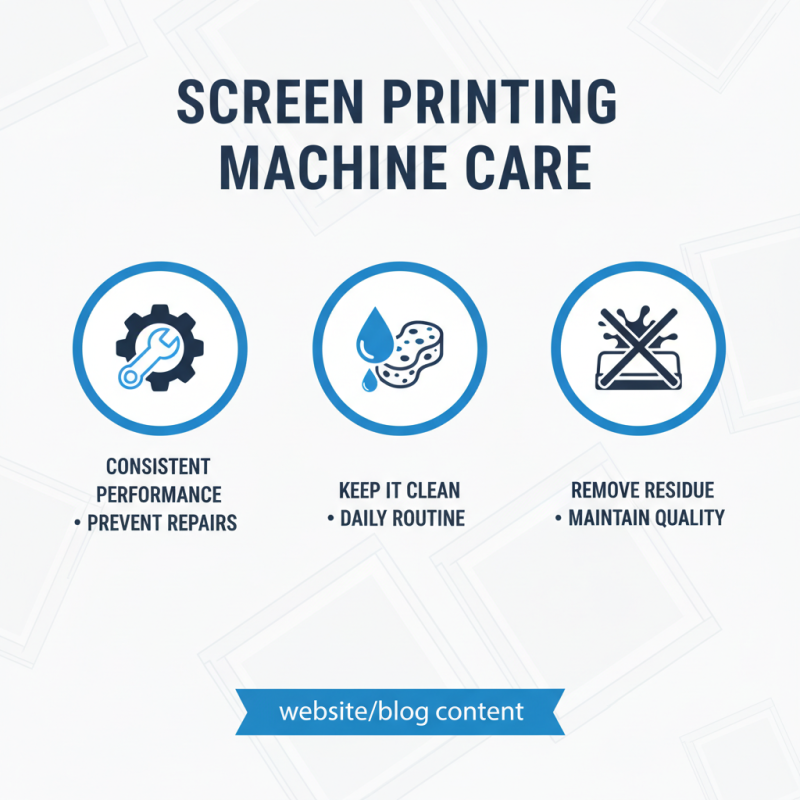
Maintaining a screen printing machine is crucial for consistent performance. Regular care can prevent costly repairs. Keep the machine clean. Ink residue can build up and affect quality. Use a soft cloth and a suitable cleaner. This should be part of your daily routine.

Check the squeegees regularly. Worn-out squeegees can lead to uneven prints. Replace them if you notice any damage. Also, inspect the screens for tears or blockages. A small issue can turn into a major problem if ignored.

Tips: Always store your screens properly. Avoid stacking them to prevent warping. Have a maintenance log. Note any issues as they arise. This helps track patterns that need addressing. Remember, care today leads to better prints tomorrow. Adjust your routine based on wear. Don't overlook the small details.

FAQS

: What is the main purpose of the product?

: The product serves to improve daily life, providing convenience and efficiency for users.

How should I use the product?

Follow the simple instructions provided in the manual. Always ensure proper setup first.

Can I use it for multiple tasks?

Yes, it's versatile. However, some tasks may require adjustments. Experiment to find the best approach.

What materials is it made from?

It is made from durable, high-quality materials. Always check for specifications before purchase.

What should I do if it doesn’t work?

Check the manual for troubleshooting steps. If it still doesn't work, consider reaching out for support.

Is there a warranty or guarantee?

Yes, there is a warranty for a limited time. Make sure to keep your purchase receipt for claims.

Are there safety tips I should know?

Absolutely. Always use the product as instructed and keep it away from children.

Can it be cleaned easily?

Cleaning is straightforward, but specific items may require special care. Refer to the guidelines.

How long will it last?

Lifespan varies based on use and care. Regular maintenance can extend its duration.

What if I need additional parts?

Replacement parts may be available. Check the manual or the service website for more information.

Conclusion

A Screen Printing Machine is a specialized device used in the screen printing process, which involves transferring ink onto various substrates through a mesh screen. This technique has a rich history, evolving from manual methods to advanced automated machines that improve efficiency and production speed. The key components of a screen printing machine include the screen frame, squeegee, and printing bed, each playing a crucial role in achieving high-quality prints.

The operation of a screen printing machine follows a systematic step-by-step process, starting from preparing the screen and applying the ink to the final curing of the printed material. There are various types of screen printing machines tailored for different uses, making them versatile for numerous industries such as textiles, graphic art, and packaging. Regular maintenance and care are essential to ensure the longevity and optimal functionality of these machines, contributing to the overall quality of the printed products.
Ariana

Ariana

Ariana is a dedicated marketing professional at Zhejiang Delong Technology Co., Ltd., where she brings a wealth of expertise in the technology sector. With a deep understanding of the company's products, she plays a pivotal role in shaping the company's online presence through meticulously crafted......
Previous Navigating Global Import Compliance for Dron Technology Solutions