Leave Your Message
In the fast-moving world of manufacturing, staying efficientand precise is more important than ever. That’s why the latest heat Cutting Machines are really shaking things up and setting new standards in the industry.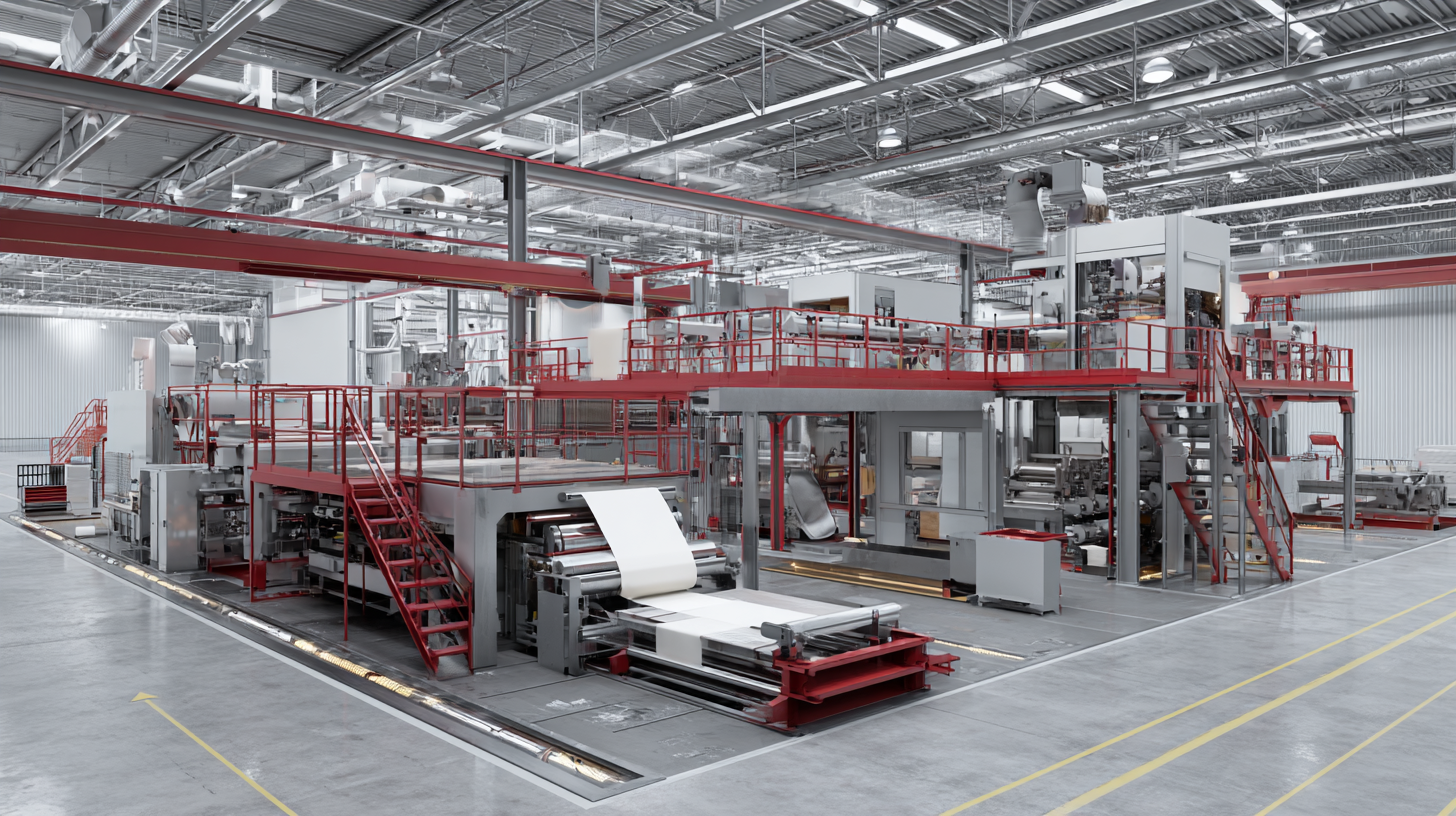 Zhejiang Dron Technology Co., Ltd., founded back in 2004, is right there at the cutting edge of this tech revolution. They’re a high-tech company that blends development, design, research, production, and sales—all under one roof. By tapping into the newest advancements in heat cutting technology, they’re helping manufacturers streamline their processes across all sorts of applications.The goal? To boost performance and cut down on operational costs. In this article, I’ll take a closer look at how these innovative machines are changing the game—covering their design, how they work, and what they really mean for companies trying to stay competitive in today’s busy market.
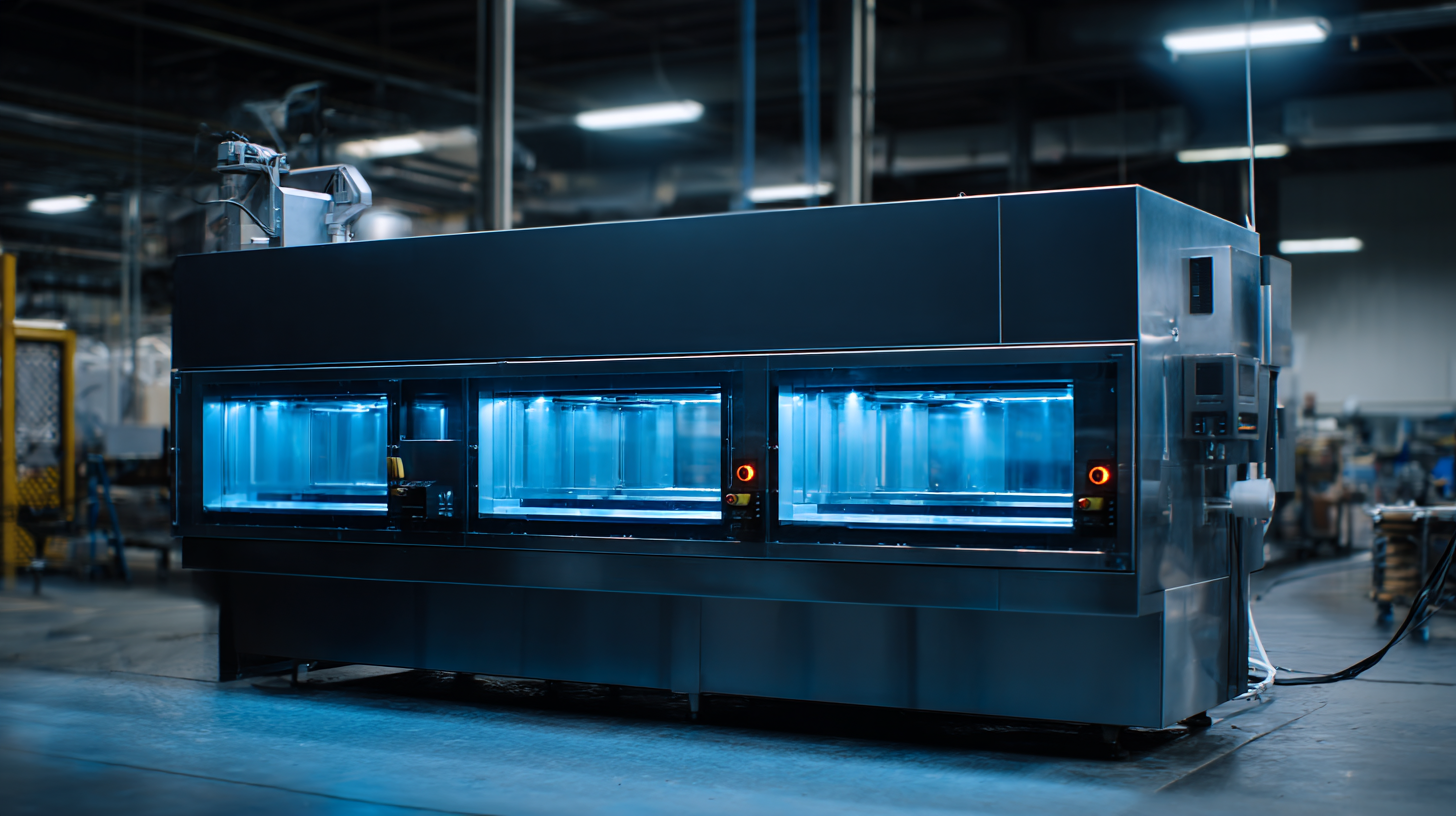
When you think about manufacturing these days, heat cutting machines are really leading the charge with some pretty incredible tech. They’re changing the old-school methods into much more efficient and precise operations. These aren’t your typical cutters—they use super advanced systems like laser cutting, plasma arcs, and high-tech thermoplastic processes, which help manufacturers get better accuracy and boost productivity all around. Plus, with sensors and automation built in, today’s heat cutters can constantly keep an eye on things, tweak settings on the fly, and make sure everything’s running smoothly—cutting down on waste and saving money.
If you're considering upgrading to these latest heat cutting machines, a good tip is to check if they’ll play nice with your current setup. And don’t forget—training your team is key! Getting everyone up to speed on how to use these tools properly can really make a big difference in the quality of your output and how fast you work.
Also, these smart machines aren’t just about speed and precision—they’re more eco-friendly than ever. Features like energy-efficient motors and the use of biodegradable or sustainable materials mean you’re not just saving money, but also doing your part for the environment. Keeping up with these innovations can definitely give your business a competitive edge.
A couple of other pointers—regular maintenance and software updates are essential. Setting up a routine check-up schedule that covers both the mechanical parts and the software will help you catch any issues early and keep everything running at peak performance.
| Feature | Description | Efficiency Improvement (%) | Energy Consumption (kW) | Application Industry |
|---|---|---|---|---|
| High-Speed Cutting | Reduces cutting time by utilizing advanced blade technology. | 30% | 5.0 | Textile, Automotive |
| Precision Control | Maintains consistent cutting accuracy across various materials. | 25% | 4.5 | Electronics, Aerospace |
| Smart Integration | Allows integration with IoT systems for real-time monitoring. | 20% | 6.0 | Manufacturing, Logistics |
| Versatile Material Handling | Capable of cutting multiple material types in a single operation. | 35% | 7.0 | Textile, Composites |
| User-Friendly Interface | Simplifies operation through intuitive controls and touchscreen display. | 15% | 3.8 | Furniture, Signage |
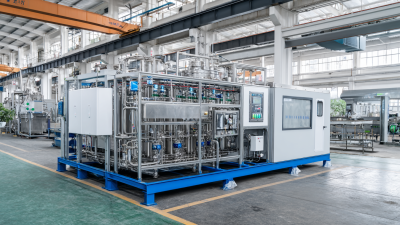
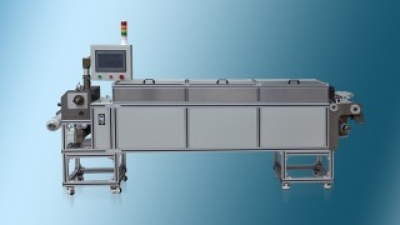
Optimizing small-batch production in laboratories is increasingly crucial, especially in sectors requiring precise material formulations and experimentation. The latest market reports on laboratory tape casting machines highlight significant advancements in technology that enhance the efficiency and quality of tape casting processes. One prominent product making waves in this domain is the QE-Series Lab Tape Caster, which is specifically designed for casting slurries in laboratory settings.
The QE-Series Lab Tape Caster stands out due to its user-friendly design and ability to handle a variety of materials necessary for efficient trials in tape casting. This machine allows researchers and manufacturers to produce small batches with high precision, a vital factor when developing new materials or optimizing existing processes. By utilizing the QE-Series, laboratories can significantly reduce waste and improve reproducibility, leading to faster development cycles and more reliable results.
Furthermore, the adaptive features of the QE-Series facilitate customized settings which cater to different slurry consistencies, enabling scientists to experiment and refine their methods effortlessly. This adaptability not only enhances the productivity of small-batch production but also supports innovation within research teams. As laboratories continue to seek solutions that offer both performance and versatility, the QE-Series Lab Tape Caster emerges as a valuable asset in the optimization of tape casting methodologies.
: Modern heat cutting machines utilize technologies such as laser cutting, plasma cutting, and advanced thermoplastic techniques, which enable greater precision and productivity in manufacturing.
Manufacturers can optimize performance by integrating sensors and automation for continuous monitoring and real-time adjustments, which help reduce wastage and enhance efficiency.
Companies should assess the compatibility of new machines with existing workflows and invest in staff training to fully leverage the capabilities of the new technologies.
Modern heat cutting machines use energy-efficient motors and eco-friendly materials, promoting sustainability while also reducing operational costs.
Regular maintenance and software updates are crucial. Establishing a routine check-up schedule for mechanical parts and software helps address potential issues before they arise.
The global heat cutting machines market is projected to reach $3.2 billion by 2026, growing at a CAGR of 6.4% due to increasing demand for precision and reduced material wastage.
Companies that adopt advanced heat cutting machines can achieve up to a 30% reduction in material waste, leading to substantial cost savings and improved operational efficiency.
Integrating automation and data analytics allows for real-time monitoring and optimization of workflows, potentially increasing output by 20-25% and enhancing quality control.
A structured approach that includes assessing current processes, collaborating with equipment suppliers for the latest features, and training staff is crucial for successful integration.
These innovations provide greater adaptability in manufacturing, enabling companies to respond to fluctuating market demands while maintaining high production standards.
Hey, have you read the article titled "Revolutionizing Manufacturing Efficiency with the Latest Heat Cutting Machine Innovations"? It’s quite interesting because it dives into how the newest heat cutting tech is really shaking things up in the manufacturing world. The author digs into some pretty cool tools and mechanisms that help businesses cut better and faster, making their processes way more streamlined. They cover the main perks like crisper precision, cutting down on waste, and speeding up production. Plus, there’s even a step-by-step guide on how manufacturers can upgrade their existing setups—sort of a handy roadmap if you’re looking to get into these new tools.
On top of that, the article doesn’t shy away from talking about common bumps in the road when trying out these heat cutting machines. It offers some solid solutions to help overcome those challenges. They also share best practices to really squeeze the most out of these advanced techniques, so manufacturers can fully benefit from all these innovations. And with companies like Zhejiang Dron Technology leading the charge in developing cutting-edge equipment, the future of manufacturing definitely looks pretty exciting.