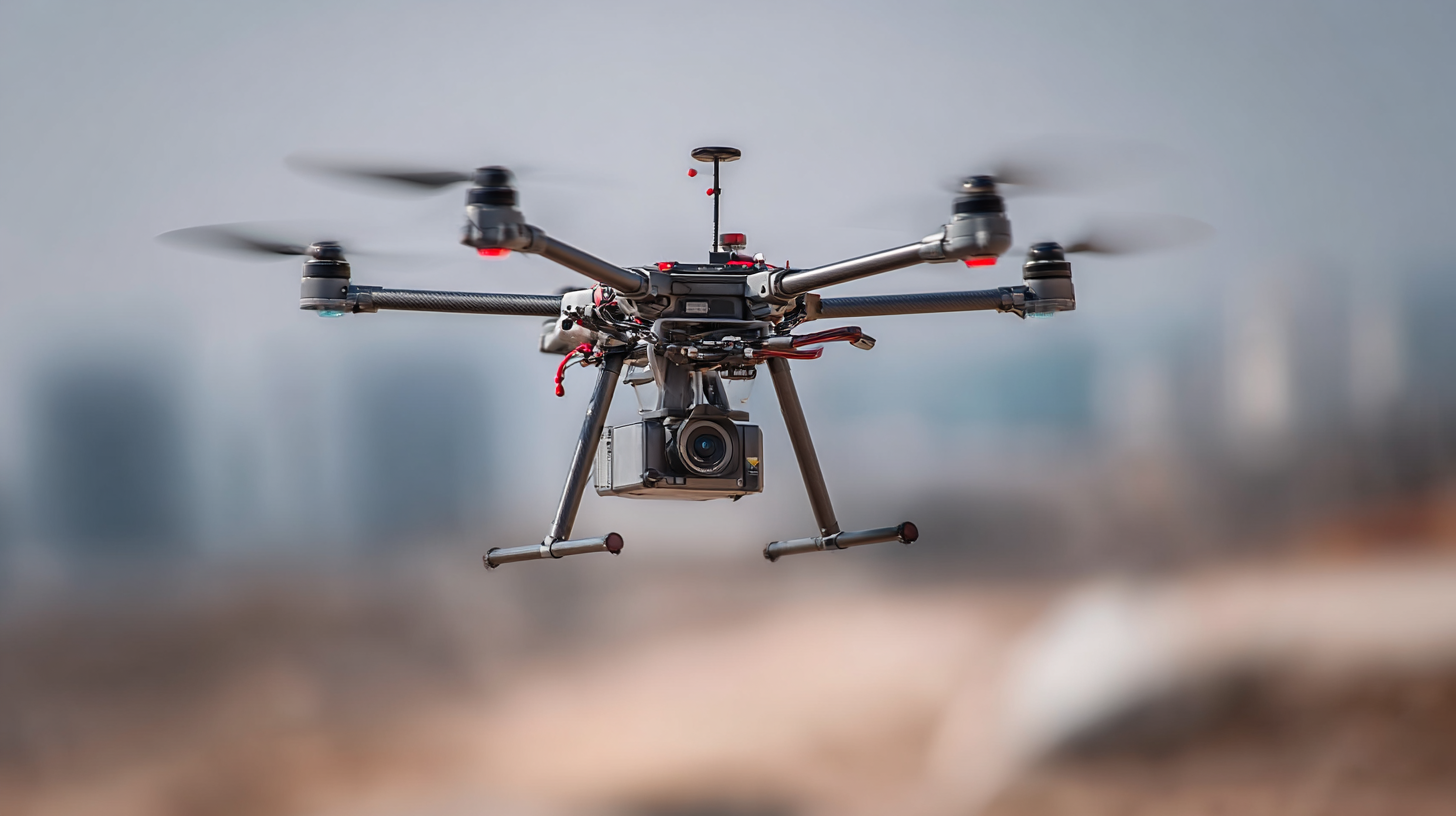
In today’s fast-changing business world, using drone technology is really turning into a game-changer for companies looking to get the most bang for their buck. I mean, according to a report from the Association for Unmanned Vehicle Systems International (AUVSI), the global drone market is expected to hit around $43 billion by 2024—that’s a huge jump, and it shows just how much demand there’s for innovative uses across different industries.
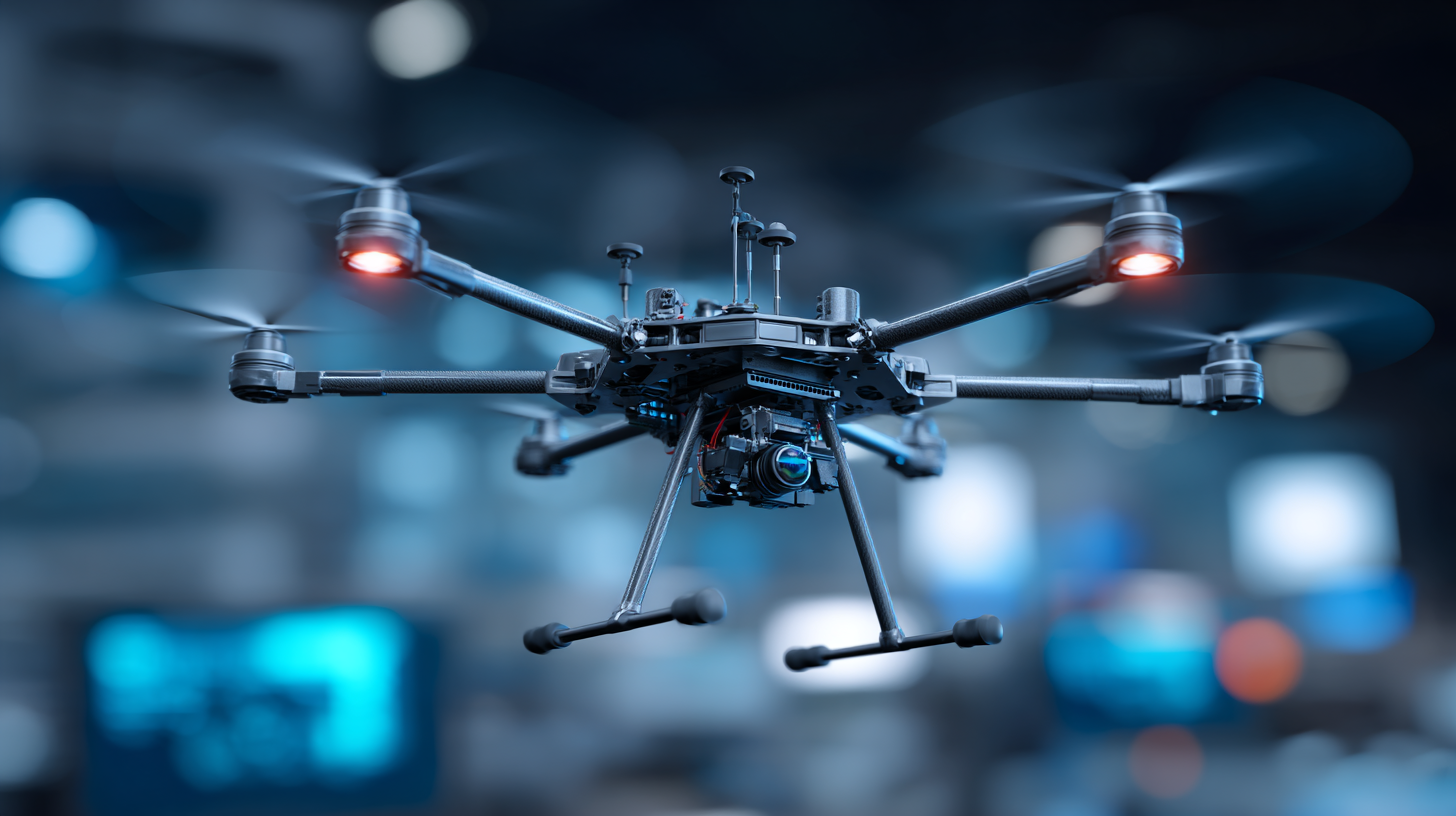
Take Zhejiang Dron Technology Co., Ltd., for example — they’ve been around since 2004 and are really leading the charge in this space. They’re a high-tech firm dedicated to designing, researching, producing, and selling pretty advanced drone solutions. When companies tap into this tech, they can boost efficiency, gather better data, and ultimately see better profits. This guide’s main goal is to walk organizations through how to smoothly bring drone tech into their ops so they can make the most of the incredible ROI potential it offers—trust me, it’s a pretty exciting leap forward.
Understanding Drone Technology: Key Concepts for Businesses
Getting to Know Drone Tech: What Every Business Should Know
As drone technology keeps getting better, companies are starting to realize just how much potential it has to boost efficiency. I recently read a report from the FAA that predicts the commercial drone market could hit over $13 billion by 2025—pretty wild, right? It really shows how important drones are becoming across different industries. But to actually make good use of this tech, businesses need to understand some basics—like the different types of drones, the rules they need to follow, and what they’re capable of doing.
One thing companies really need to think about is which kind of drone makes the most sense for what they do. Take fixed-wing drones—they’re great for covering large areas, so they’re often used in farming or land surveying. On the other hand, multi-rotor drones are super versatile and can easily zip around in cities, which makes them perfect for inspections or delivering small parcels. Plus, with the rise of
AI and machine learning, drones are now better than ever at gathering and analyzing data—giving businesses valuable insights that can help with decision-making and boost their ROI. Basically, if you understand these core ideas, you can start using drones strategically, improve your processes, and maybe even stay ahead of the competition.
Identifying the Right Drone Solutions for Your Business Needs
As more businesses start exploring drone technology, figuring out which drone solutions fit their unique needs is more important than ever. I saw a recent report from Grand View Research that estimates the global drone service market could hit around $63.6 billion by 2025—that’s a huge number and shows just how much potential there is for companies to boost productivity and cut costs with aerial tech. Companies in all sorts of industries—think agriculture, logistics, construction—are already using drones for things like monitoring crops, delivering packages, or surveying sites. It really shows how versatile drones have become in everyday business operations.
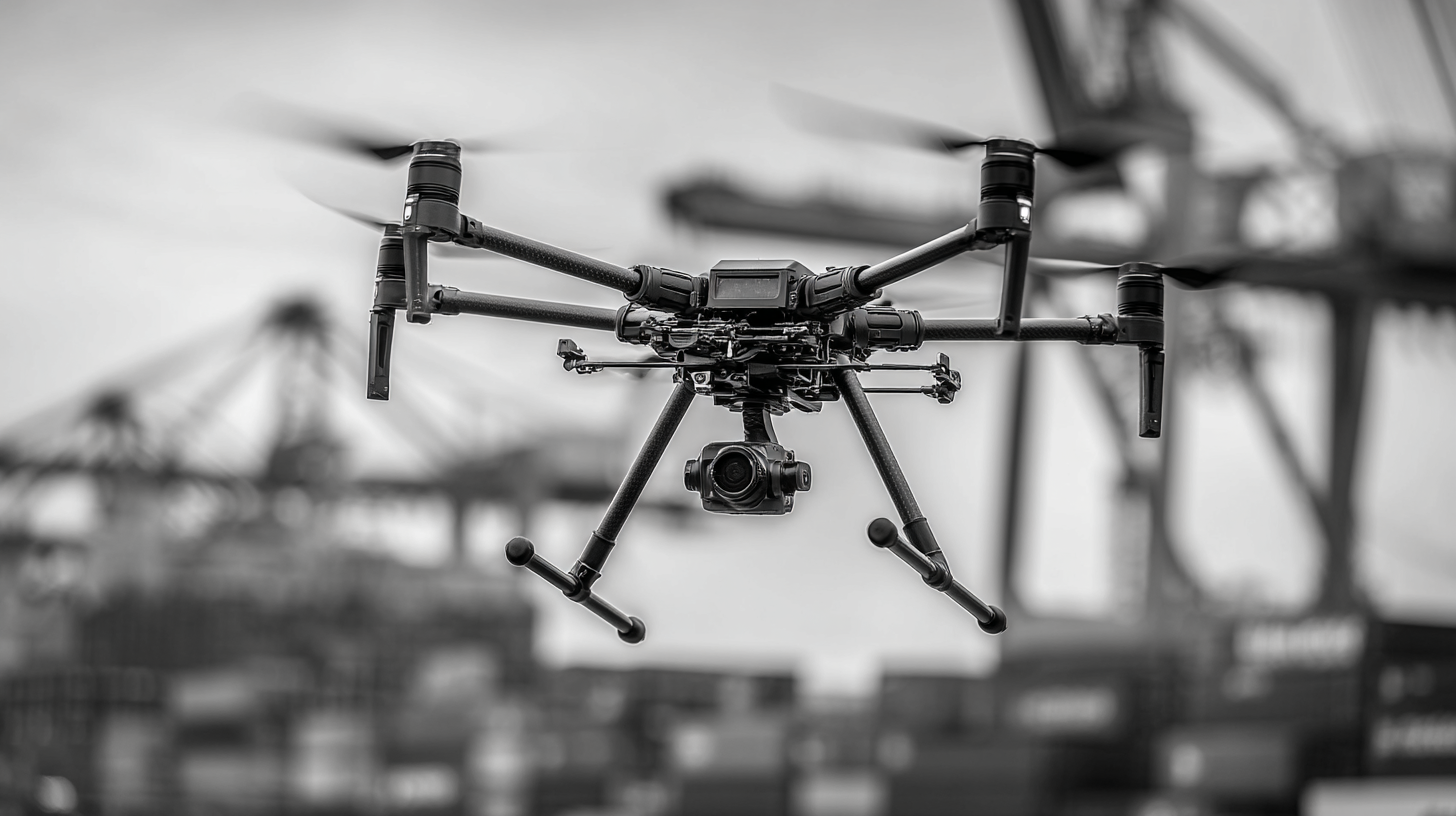
When you're trying to pick the right drone solution, there are a few key things to keep in mind—like payload capacity, flight time, and making sure everything complies with regulations. For example, PwC estimates that drone tech could add up to $127 billion to the U.S. economy by 2020, which really highlights how critical it is to match drone capabilities with what your business actually needs. Also, interestingly enough, about 70% of companies surveyed plan to start using drones to boost efficiency by 2025. That’s a clear sign we’re moving toward a future where drones are just part of the game.
So, businesses really need to take a close look at which drone solutions will help solve their specific challenges and give them the best return on investment.
Integrating Drone Operations: Best Practices and Strategies
Getting drones involved in business operations is really opening up some exciting new possibilities across different industries. Recently, with updates in drone rules—like Dubai’s DANS becoming the first certified U-Space provider—companies can now get quick approvals to fly and even access weather data on the spot. This makes everything much smoother and more efficient, especially when it comes to logistics and deliveries. In fact, a recent study shows that using drone tech for last-mile delivery can cut costs by up to 30%, which is a huge boost for supply chains.
If you're looking to get started, here are a couple of tips: First, take a good look at the local regulations so you stay out of trouble. It’s super important to follow the rules to keep things running smoothly. Second, invest in training your team properly—making sure they’re comfortable with the tech and can use real-time data to make smarter decisions. Also, with police forces around the world turning to drones for surveillance and faster responses, it’s worth thinking about how your business might leverage similar tech to improve security and overall oversight.
Plus, with the National League of Cities kicking off forums on air mobility and drone integration, it’s a smart move for businesses to join those conversations. Building connections with local authorities and industry leaders can really help you stay ahead of the game and make the most of what drone technology has to offer.
Measuring ROI: How to Evaluate the Impact of Drones on Profitability
So, when you're thinking about bringing drone tech into your business, it's super important to keep an eye on the return on investment—basically, figuring out if it’s really worth it for your bottom line. Drones can do a lot: speeding up deliveries, gathering data faster in farming, and just making things more efficient overall. But to really get a handle on whether they’re a good move financially, you need to take a structured approach. Start by figuring out what matters most for your industry—things like saving costs, cutting down on time, or boosting productivity. Measure these factors carefully so you have a clear baseline to compare things before and after you roll out the drones.
And it’s not just about the numbers—things like customer happiness and how people see your brand matter too. Drones that improve delivery times or make your service better can really help keep customers coming back. To get the full picture, it’s a good idea to do regular check-ins and see how drone performance stacks up against those key KPIs. This way, you’ll not only spot the direct financial gains but also those indirect perks that help your business grow in the long run. As drone tech keeps evolving, staying on top of the data and making tweaks along the way will help you squeeze the most out of your investment—even as technology keeps changing around you.
Maximizing ROI: The Impact of Drone Technology on Business Profitability
Overcoming Challenges: Regulatory and Operational Considerations
So, integrating drone tech into business operations really opens up some pretty exciting opportunities to boost efficiency and cut down costs. But, honestly, it’s not all smooth sailing—there are regulatory hurdles and operational hiccups you’ll need to tackle first. Navigating the various rules that differ from region to region and industry to industry can be a real challenge, often making it tough for companies to jump in easily. It’s super important to get a good handle on the legal stuff and make sure you have all the necessary permits to avoid headaches down the road. Otherwise, you risk delays or worse, running into legal trouble.
And then there’s the operational side of things. Companies can’t just buy drones and expect everything to work perfectly right away. You’ll need to set up solid training programs so your staff knows how to operate these machines safely and understand their capabilities. Plus, you might have to do some infrastructure upgrades—stuff like creating designated landing zones or setting up maintenance stations. The key is to have a strategic plan: really evaluate what your business needs, work closely with the regulators, and map out a clear implementation path. If you get ahead of these challenges and plan properly, you’ll be able to unlock the full potential of drone technology—making your investment worth every penny, without unnecessary setbacks.
Future Trends: Innovations Shaping the Future of Drone Integration in Business
You know, the way drones are being integrated into business operations is really shaking things up across various industries. It’s exciting to see how they're opening up brand-new possibilities that boost efficiency and productivity. I came across a report from the FAA that says the commercial drone market might hit over $43 billion by 2024 — crazy, right? That growth is mainly thanks to how much drone tech keeps advancing and the fact that more industries are jumping on the bandwagon. Companies that start using drones can save quite a bit on costs, get more accurate data, and even serve their customers better.
Looking ahead, it seems like AI and machine learning are going to be game-changers for drone tech. With AI, drones can crunch huge amounts of data in real time, helping businesses make smarter, faster decisions. Take agriculture, for example. Drones can now keep an eye on crop health and help farmers allocate resources more efficiently.
According to a study by the Association for Unmanned Vehicle Systems International, farmers could boost their yields by up to 15% just by using drones. Here at Zhejiang Dron Technology Co., Ltd., we’re really committed to pushing the boundaries of drone innovation. Our goal is to develop solutions that keep our partners ahead of the game and adapt to whatever’s next in this fast-moving world.
FAQS
: Businesses should consider factors such as payload capacity, flight time, and regulatory compliance to align drone capabilities with their operational needs.
A study by PwC estimated that drone technology could contribute up to $127 billion to the U.S. economy by 2020, highlighting its potential to enhance productivity and reduce costs.
According to recent surveys, 70% of enterprises indicated that they plan to adopt drones by 2025 to improve operational efficiency.
Future trends suggest that artificial intelligence (AI) and machine learning will significantly influence drone integration, allowing for real-time data analysis and informed decision-making.
Integrating drone technology in last-mile delivery can reduce costs by up to 30%, significantly improving supply chain efficiency.
Best practices include assessing the regulatory landscape for compliance, investing in advanced training for team members, and engaging with local authorities to stay updated on aviation trends.
Businesses can adopt similar applications to police agencies, utilizing drone technology for enhanced surveillance and improved response efficiency.
The commercial drone market is expected to exceed $43 billion by 2024, driven by advancements in drone capabilities and increased adoption across various industries.
Drones can monitor crop health and optimize resource allocation, potentially increasing yields by up to 15%, according to a study by the Association for Unmanned Vehicle Systems International.
By collaborating with local authorities and industry leaders, businesses can effectively harness the benefits of drone technology and stay competitive in their sectors.
Conclusion
Hey, in today’s fast-changing world of business, using drone tech has really become a game-changer for boosting ROI. This guide is all about breaking down the key stuff you need to know about drones — so your business can find the perfect solutions that fit just right. When you follow some tried-and-true practices for flying and managing these drones, it can seriously make your processes smoother and ramp up productivity.
On top of that, it’s super important to keep a close eye on how much value drones actually bring in terms of profits, and making sure you hit all the regulatory and operational hurdles along the way. Looking ahead, new advancements in drone tech are set to shake up the way we do business, so staying ahead of the curve is pretty much essential. At Zhejiang Dron Technology Co., Ltd., we’re proudly leading the charge — providing innovative equipment and services to help various industries level up and thrive.