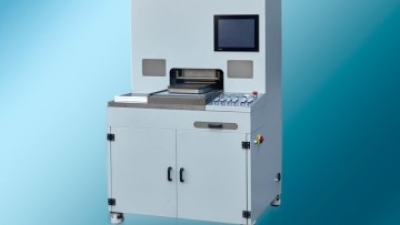
Hey there! If you’re involved in manufacturing these days, you probably know how important it is to really get the hang of your Tape Casting Machines. It’s a pretty complex process, but understanding how these machines work can make a huge difference if you’re looking to step up your game. Here at Zhejiang Dron Technology Co., Ltd.—you might have heard of us—we’ve been around since 2004 as a national high-tech company. We’re all about providing top-notch equipment designed for a variety of needs. Our team’s strengths span from development and design to research and sales support, so we’re here to help you master tape casting. In this blog, I’ll share some practical tips and best practices to help you operate your Tape Casting Machines more effectively. Our goal? To help manufacturers like you streamline your processes and produce better quality products. So, stick around as we dive into the key points that can really give your operations a boost in this critical area.
Understanding the Basics of Tape Casting Machines in Manufacturing
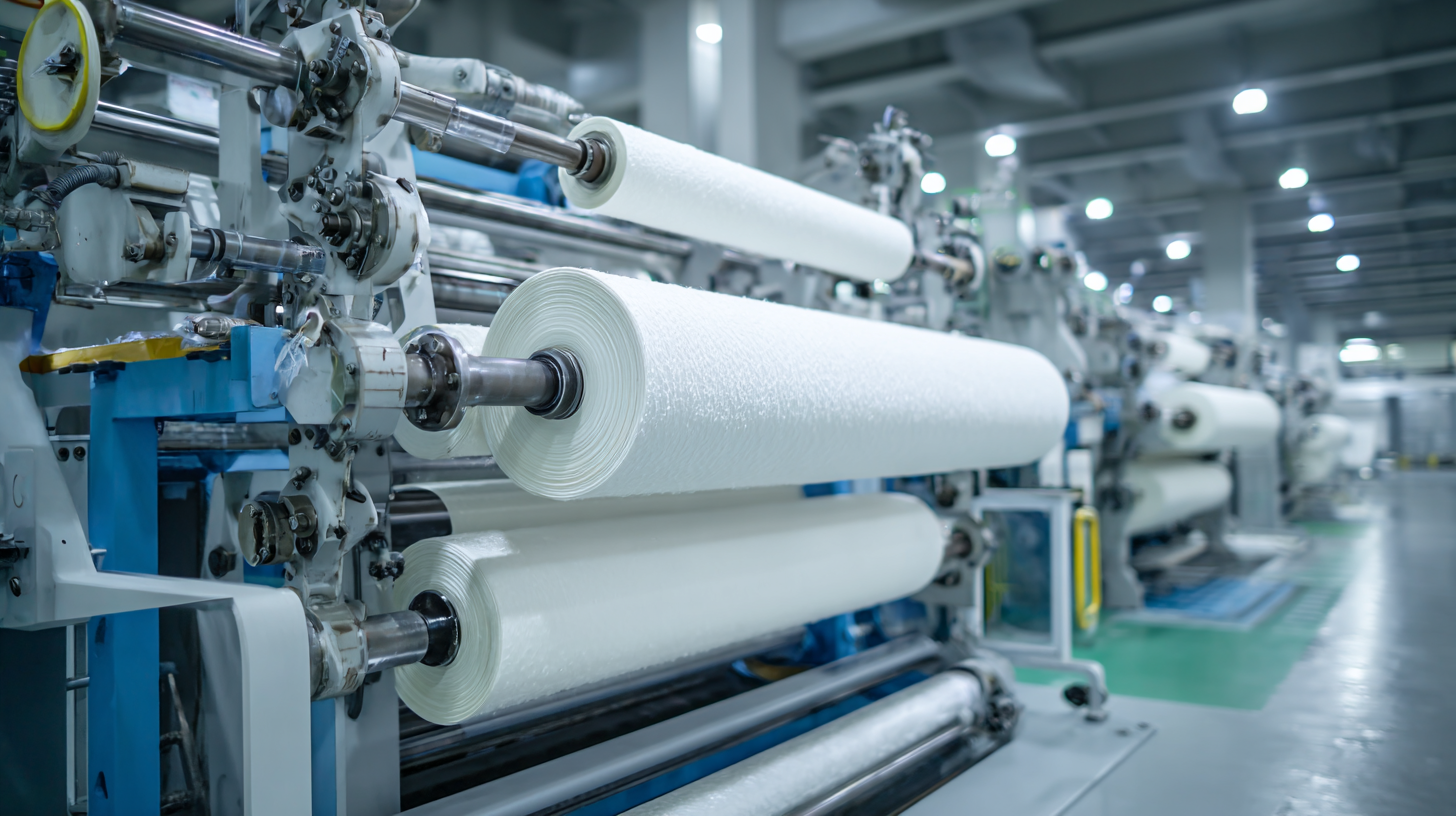
Tape casting is pretty much a key process in many manufacturing sectors, especially when it comes to making those super precise films and coatings — think electronics or ceramic tech. Basically, what happens is you spread a slurry over a flat surface to form a thin, even layer. It’s a pretty nifty method because it helps produce consistent, high-quality products and cuts down on waste. If you really want to get good at it, understanding how tape casting machines work — their parts and how they operate — is a must.
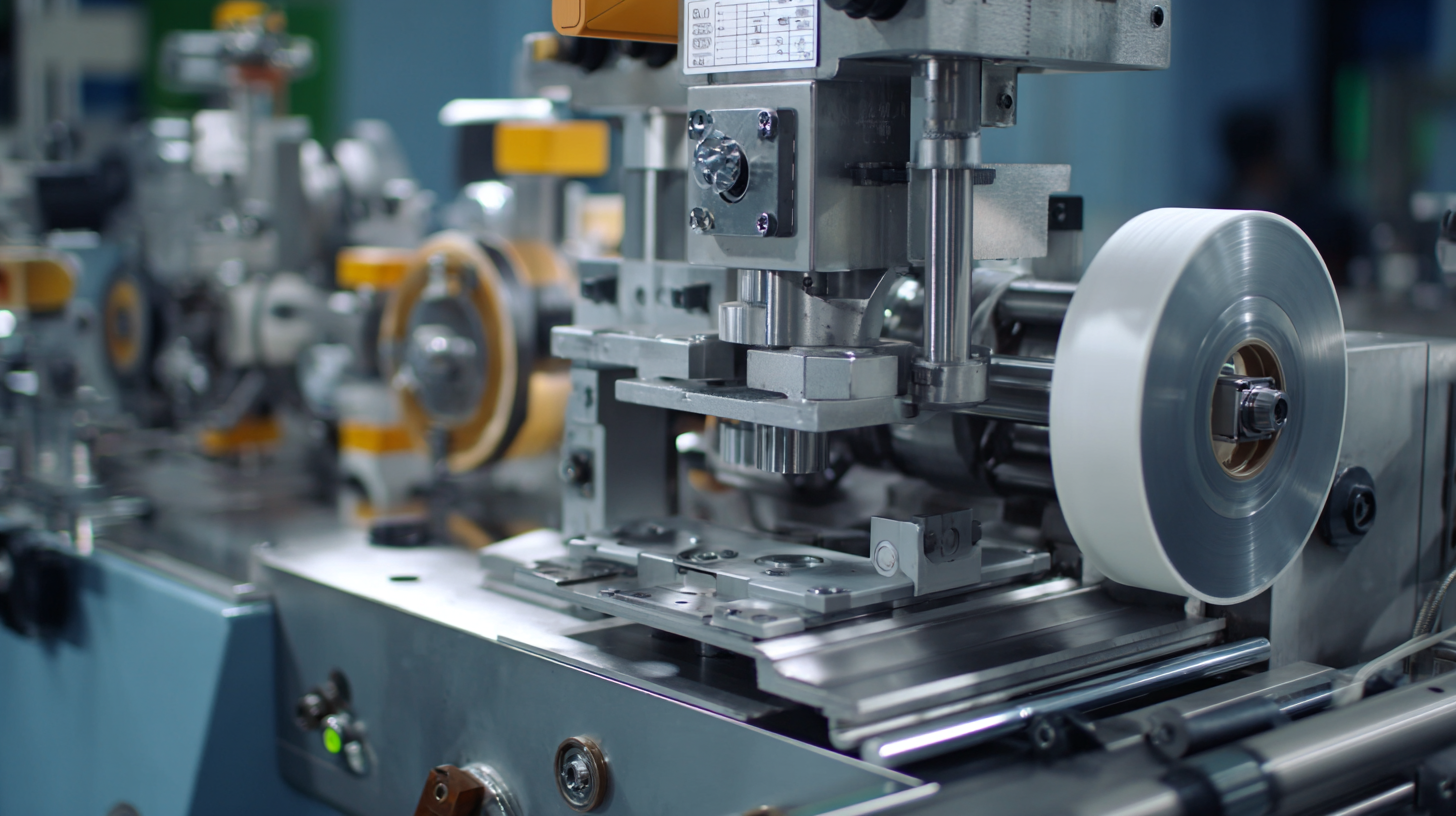
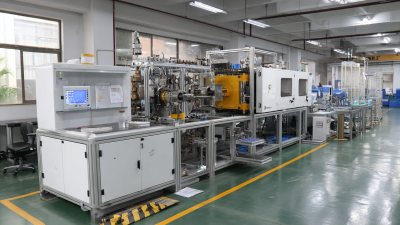
So, how does a tape casting machine actually work? Well, it starts with preparing this slurry, which is just a mix of powders, solvents, and some additives. Once it’s all ready, you pour or transfer it into the casting area. Then, a doctor blade (you know, like that thin metal spatula they use in labs) spreads the slurry evenly across a moving substrate. The devil’s in the details — things like how fast the machine runs, how thick each layer is, and drying times — they all matter because they directly impact the final product’s quality.
Once you get the hang of controlling these variables, you can make the process more efficient and produce top-notch products. That’s especially important when trying to meet the demands of global buyers who are looking for reliable, high-quality sourcing options. By focusing on the basics of tape casting machines, manufacturers can stay ahead of the game and keep up in this pretty competitive market.
Key Factors to Consider When Selecting a Tape Casting Machine
When you're choosing a tape casting machine, there are quite a few important things to think about to make sure you get the best performance and efficiency. First off, you wanna look at the machine's capacity and how fast it can go — these need to match your production goals. It's really important to figure out what your project needs, especially in terms of the thickness and width of the tapes, because those things directly affect how the final product turns out. Also, understanding the machine’s speed is a big deal, especially if you’re working in a fast-paced industry where deadlines are tight.
Another key point is what kind of technology and features the machine has. Modern machines often come with automation, precise controls, and easy-to-use interfaces, which can really help produce consistent results and cut down on labor costs. It’s a good idea to look for options that are flexible with different materials and simple to maintain. That way, the machine can grow with your needs, adapting as your production evolves. In the end, taking the time to carefully consider all these factors will help you make smarter choices and set your tape casting operation up for success.
Essential Operating Techniques for Efficient Tape Casting
Tape casting is a pretty important step when it comes to making all sorts of materials, especially in ceramics and electronics. If you wanna get the best results, you really gotta get the hang of some key techniques. First off, how you prepare your slurry makes a big difference. Make sure everything's mixed thoroughly—no lumps or streaks—so the final product stays consistent. Oh, and keeping the right viscosity is super important, because it directly impacts how thick the tape turns out and how good it looks.
Another thing to keep in mind is the environment where you’re casting. Temperature and humidity can totally mess with how the tape dries, and that could lead to defects. It’s a good idea to invest in some decent temperature and humidity monitors—that way, you can keep things steady and avoid surprises. Also, don’t forget about regular maintenance on your casting equipment. Routine checkups and cleaning can prevent nasty buildups that might mess up your process. A well-cared-for machine runs smoother, produces more consistent tapes, and helps you avoid unnecessary downtime. Honestly, if you stick to these basics, you’ll really see a boost in your tape casting game. It’s all about paying attention and keeping things running smoothly—easy but effective tricks that make a difference.
Common Challenges and Solutions in Tape Casting Operations
When it comes to tape casting, getting the process right can be pretty tricky and often throws some challenges into the mix. I came across a report from MarketsandMarkets that predicts the global market for tape casting will hit around $1.8 billion by 2025, thanks to the rising demand for high-performance materials. One of the biggest hurdles folks face is making sure the coating thickness stays even—things like variations in the substrate, differences in slurry viscosity, and environmental conditions can all cause defects that mess with the final product’s quality.
And don’t forget, drying conditions are a big deal too. If the drying isn’t spot-on, it can lead to warping or even delamination, which really harms the end result. Interestingly, a study published in the Journal of Materials Science mentioned that keeping a close eye on ambient temperature and humidity can cut down these issues by up to 30%. By using better monitoring tools and sticking to solid quality control steps throughout each stage of the casting process, manufacturers can tackle these problems head-on. This not only boosts consistency but also helps ensure the final product is reliable—something that definitely matters to buyers worldwide.
Mastering the Art of Tape Casting Operations Efficiency
Safety Protocols for Handling Tape Casting Machines in Production
When it comes to operating tape casting machines, safety really needs to be everyone's top priority. It’s super important to follow all the safety guidelines to avoid accidents and keep the production flowing smoothly. Before firing up the machine, make sure to do a thorough check—look over safety guards, emergency stop buttons, and just confirm that everything’s in good shape. Oh, and it’s also key that anyone operating these machines knows the safety features inside out so they’re prepared for anything.
One of the best ways to keep everyone safe is through proper training. Regular workshops or quick refresher courses can make a big difference—they help staff stay sharp and confident when handling the equipment. People should definitely understand what risks are involved and how to avoid them. And don’t forget, always wear your PPE—things like gloves and safety goggles—to stay protected.
Finally, keeping the workspace neat and clutter-free is a small step that can really prevent accidents. A tidy environment not only makes the job safer, but it also helps things run a lot more smoothly. Make sure all your tools and materials are within easy reach so there’s no scrambling around or distractions that might cause an injury. Follow these simple tips, and your team will be able to work safely and efficiently while mastering the ins and outs of tape casting machine operation.
Mastering the Art of Tape Casting Machine Operations for Global Buyers - Safety Protocols for Handling Tape Casting Machines in Production
| Safety Protocol | Description | Frequency of Training | Last Reviewed |
| Personal Protective Equipment (PPE) | Ensure all operators wear gloves, goggles, and masks. | Monthly | 2023-09-15 |
| Machine Operation Training | Training on how to safely operate tape casting machines. | Quarterly | 2023-08-10 |
| Emergency Procedures | Protocols for dealing with spills, leaks, and other emergencies. | Biannual | 2023-06-20 |
| Electrical Safety | Guidelines for safely handling electrical equipment. | Annually | 2023-01-12 |
| Machine Maintenance Checks | Regular inspection and maintenance of machines to ensure safety. | Monthly | 2023-09-01 |
Future Trends in Tape Casting Technology for Global Markets
You know, the world of tape casting tech is changing pretty quickly these days. Advances in materials and methods are really pushing it forward to meet the needs of markets all over the globe. I read recently that the PTFE tapes and films market is pretty diverse — with stuff like skived, cast, extruded, and expanded PTFE options. This variety means manufacturers can basically customize products for different uses, especially in areas like medical and pharma where accuracy and dependability are a must. As demand for super high-performance materials grows in these industries, it’s clear that innovation in how tape casting is done is more important than ever.
On top of that, the latest outlook for advanced ceramics points to some interesting trends through 2025. There’s a big push toward using smarter, more sophisticated materials in electronics, communications, and tech gadgets. Not only does this boost how well these devices work, but it also opens doors for more eco-friendly solutions — like better energy efficiency. With industries really aiming to go green, manufacturers are feeling the pressure to invest in R&D to stay competitive. This whole scene has serious implications for policymakers and scientists, since their decisions and innovations will shape how tape casting evolves and spreads across different sectors into the future.
Unlocking Flawless Precision: The Ultimate Guide to Utilizing a Precision Keyword Cutting Machine
Unlocking Flawless Precision: The Ultimate Guide to Utilizing a Precision Keyword Cutting Machine
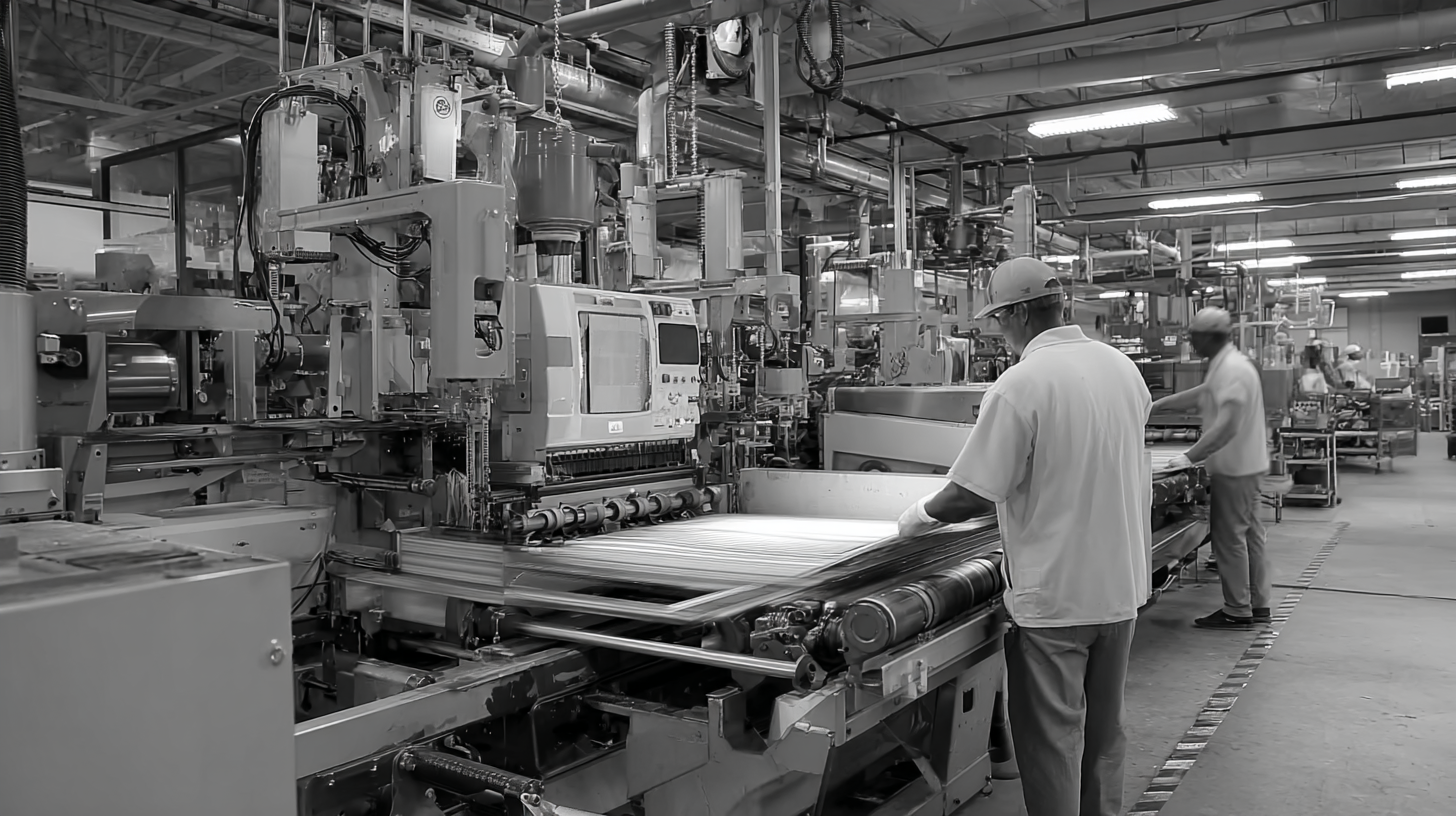
In today’s fast-paced manufacturing environment, precision is paramount. The Precision Keyword Cutting Machine by Zhejiang Dron Technology Co., Ltd. is engineered for those who insist on flawless results in their cutting tasks. According to a recent industry report by Credence Research, the global market for cutting machines is projected to reach USD 11.3 billion by 2027, driven by advancements in technology and a growing demand for accuracy across various sectors. This cutting machine stands out, marrying cutting-edge technology with user-friendly features, ensuring that every cut made is precise and efficient.
The versatility of the Precision Keyword Cutting Machine is one of its key highlights. It is designed to handle an array of materials, from wood to plastics, with minimal waste—a crucial factor when considering the rising costs of raw materials. A study by Technavio indicates that the adoption of precision cutting machines can increase efficiency by up to 30%, allowing businesses to maximize productivity while reducing operational costs. The innovative design of the Dron machine minimizes material wastage while maintaining exceptional accuracy, reflecting the commitment to quality that has established them as a trusted name in the industry.
Zhejiang Dron Technology’s Precision Keyword Cutting Machine delivers transformative results for professionals seeking to enhance their capabilities. By implementing such advanced technology in their workshops, operators can expect not only elevated outcomes but also a significant competitive edge. The future of manufacturing lies in precision, and with tools like this, professionals can unlock potential and elevate their projects to new heights.
FAQS
: Key factors include the machine's capacity and speed, the desired thickness and width of the tapes, technology and features such as automation capabilities, precision control, user interfaces, flexibility in material usage, and maintenance ease.
The machine's capacity must align with the intended production scale to ensure it can handle the required dimensions of the tapes, which significantly impacts the final product's quality.
Understanding the machine's operational speed is vital for meeting production timelines, especially in high-demand industries where timely delivery is critical.
Safety is essential to prevent accidents and ensure a smooth workflow, protecting both operators and the production team during the manufacturing process.
Operators should conduct a thorough inspection of safety guards, emergency stop switches, and overall machine condition before starting operations.
Regular workshops and refresher courses equip staff with the necessary knowledge to handle equipment safely, helping them understand the risks and how to mitigate them.
Operators should wear appropriate PPE such as gloves and safety goggles to enhance personal safety during operation.
Keeping the workspace organized and free of clutter helps minimize the risk of accidents and promotes operational efficiency, ensuring that tools and materials are easily accessible.
Advanced machines should include automation capabilities, precision control systems, and user-friendly interfaces to enhance production consistency and reduce labor costs.
Flexibility allows the machine to adapt to changing production needs over time, ensuring that it can handle various materials effectively and efficiently.
Conclusion
When it comes to manufacturing, getting the hang of operating a Tape Casting Machine is pretty much essential—especially for buyers around the world who's looking to boost their production game. In this blog, I’ll walk you through the basics of tape casting machines, focusing on the key things you should think about when choosing the right equipment. We’ll also cover some practical operating tips to help you get the most out of your machine, chat about common issues folks run into, and share simple solutions to sort them out. Plus, we can’t forget about safety—making sure you follow proper protocols is super important to keep everything running smoothly and safely.
Looking ahead, I also want to share some exciting trends in tape casting tech that could really shake things up in the industry. And just so you know, at Zhejiang Dron Technology Co., Ltd.—a high-tech company founded back in 2004—we’re all about staying ahead of the curve. We’re dedicated to offering cutting-edge tape casting machines that fit these emerging trends and cater to our customers’ diverse needs across all kinds of applications.