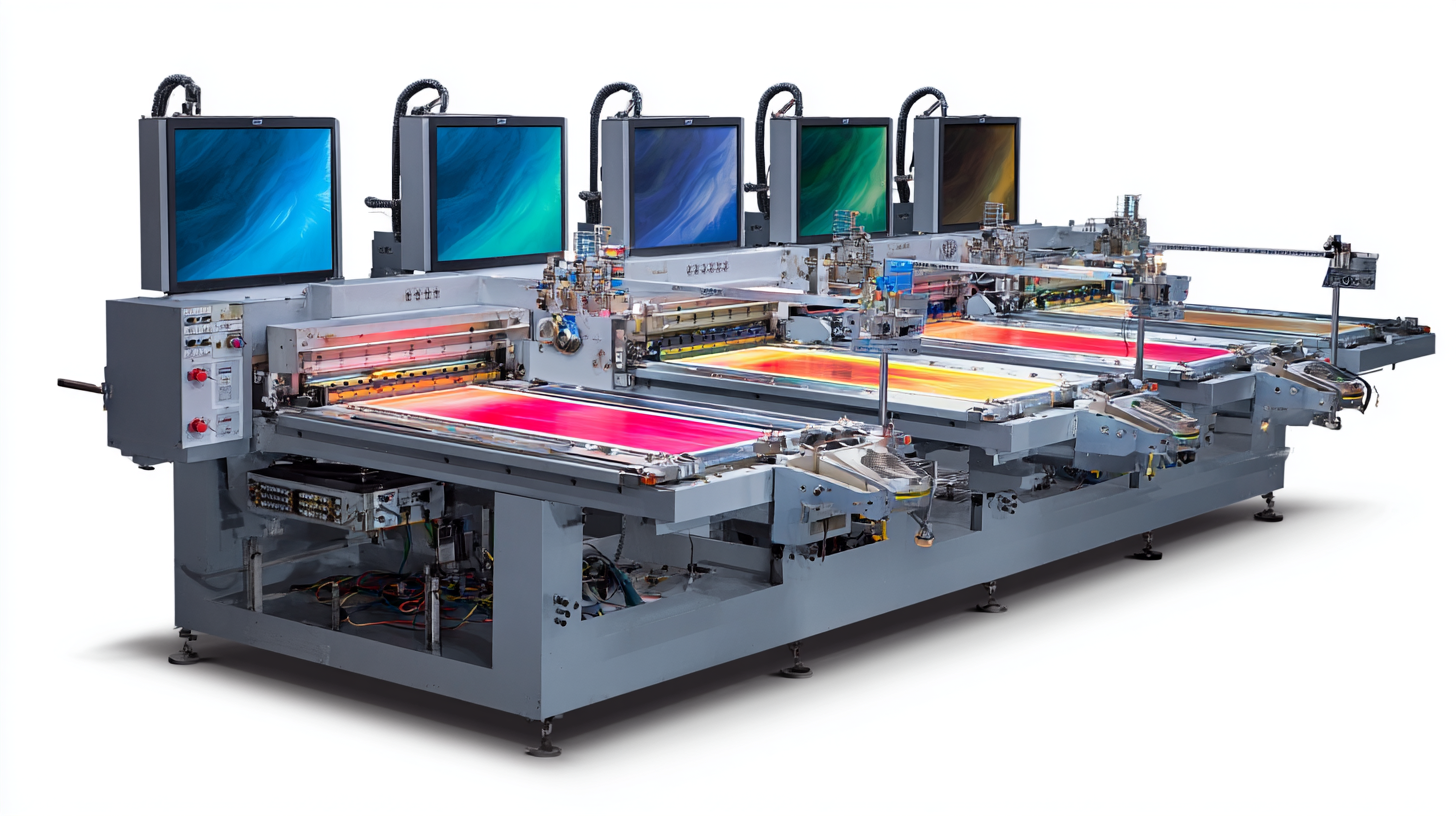
In today’s fast-changing world of manufacturing, really understanding what makes Screen Printing Machines tick is crucial if you want to get the best out of your production—whether it’s about speed, quality, or efficiency. At Zhejiang Dron Technology Co., Ltd., we’ve been around since 2004, and we're proud to be a high-tech enterprise in China. We’ve learned that blending development, design, research, manufacturing, and even sales into one smooth process is key to offering top-notch equipment. We’re all about pushing boundaries with innovation and aiming for excellence, which has helped us stay ahead in the screen printing game. This means we can handle a wide range of needs from our clients. Our goal here is simple: by looking closely at the main factors that influence how well these machines work and what they produce, we want to give businesses the insights they need. That way, they can make smarter decisions and really grow their production efforts.
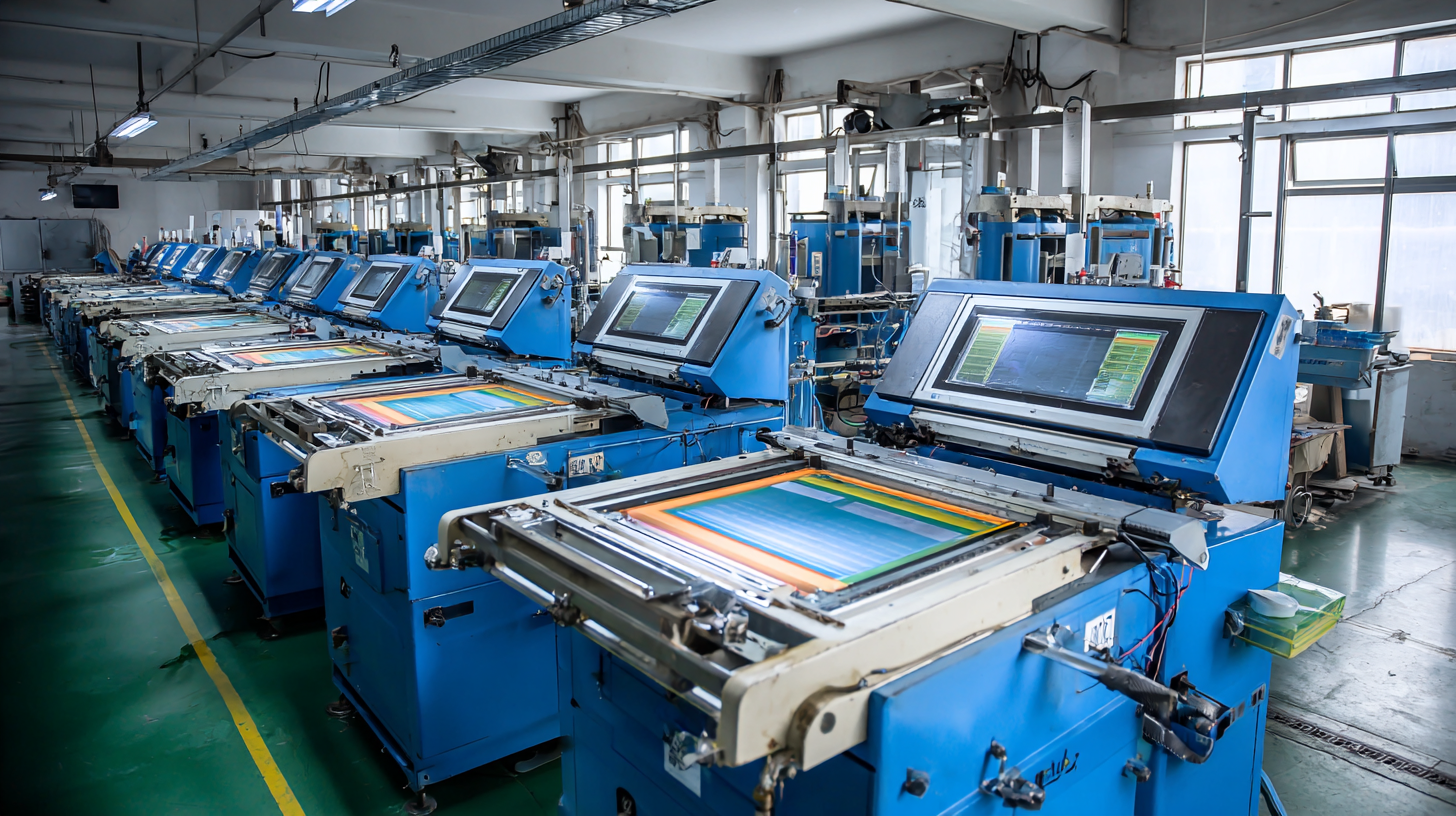
Key Performance Indicators for Screen Printing Machines
When you're looking into screen printing machines, it’s pretty important to get a good grip on the key performance indicators—these little metrics really help you optimize your production.
First up, there's printing speed, which basically tells you how many prints a machine can churn out in a given amount of time. Faster speeds are a big win because they boost efficiency, but they also impact the cost per print. So, if you're trying to get the most out of your setup and keep costs down, this is a major factor.
Then, there's print quality—you know, things like color accuracy, how well everything lines up (registration), and making sure each run looks consistent. Good quality printing keeps your customers happy and saves you from having to do reprints because of mistakes or defects.
Oh, and we can't forget machine uptime—which is basically how much time your machine's actually running versus planned downtime. The higher the uptime, the more reliable your equipment is, meaning you get fewer interruptions and better use of your resources.
By keeping an eye on these KPIs, manufacturers can make smarter decisions, leading to better performance and more profit in the long run. It’s all about measuring the right stuff and using that info to improve your process overall.
Impact of Technology Advancements on Screen Printing Efficiency
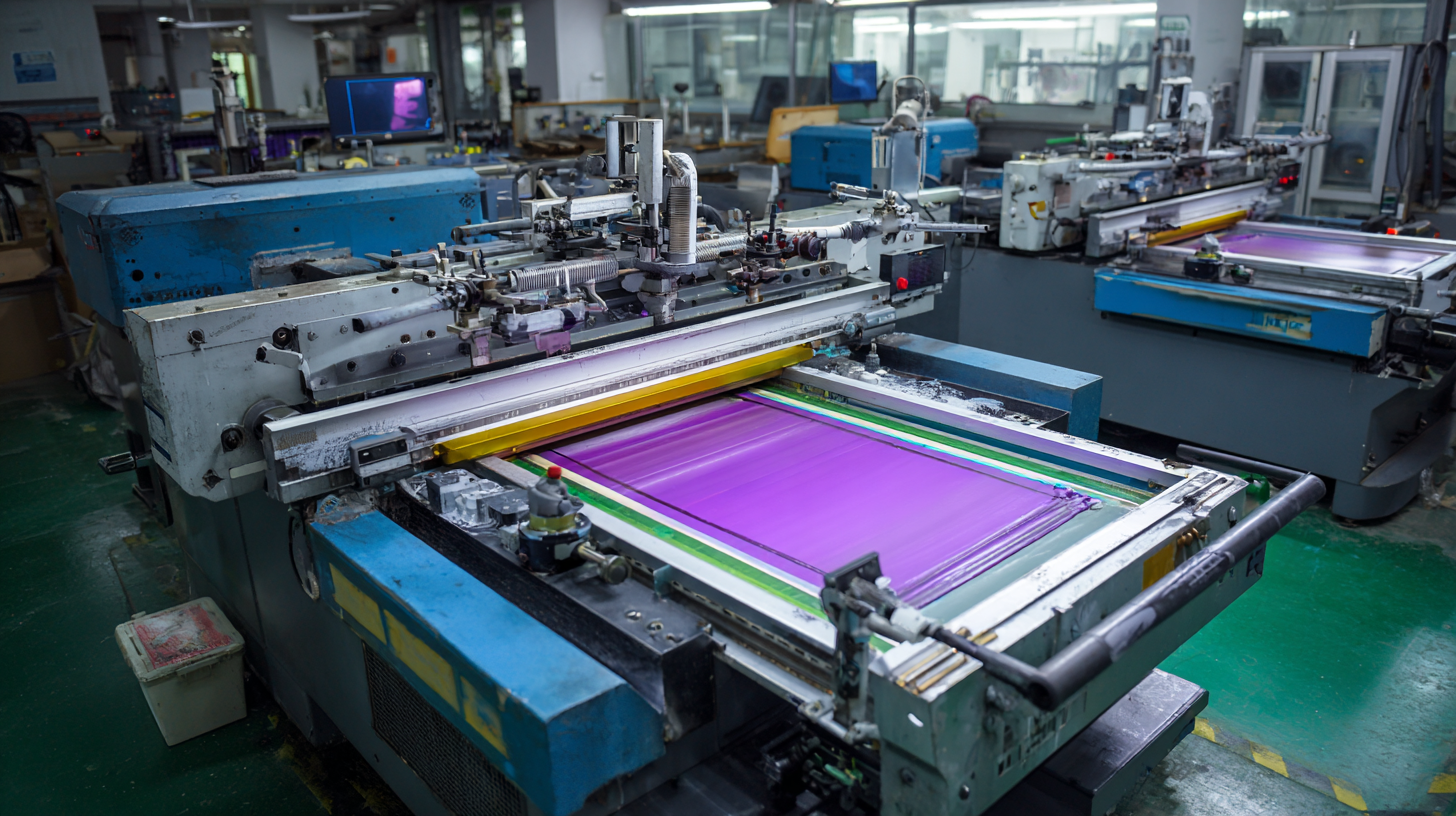
You know, the way screen printing tech has evolved over the years has really kicked up the production game. Manufacturers can now crank out high-quality prints much faster, which is a huge win given how much demand there is these days. I recently saw some stats from the Printing Industries of America—apparently, newer automated screen printing machines can boost output by as much as 30%. Features like smarter software and really fast printing speeds are making things run more smoothly and cutting down those long turnaround times.
Plus, jumping into newer tech like digital inkjet hybrid systems opens up tons of possibilities for customizing prints—without sacrificing efficiency. Smithers Pira even pointed out that blending hybrid tech with traditional methods can bump up overall productivity by about 25%. That kind of flexibility is a game-changer because it lets printers handle different kinds of jobs while still delivering top-notch quality. Honestly, staying on top of these tech advancements can really give your business a leg up.
A couple of tips: invest in training your team so they’re comfortable with the new equipment. Also, keep an eye on industry news—subscribe to some good journals or go to trade shows whenever you can. And don’t forget to regularly check your machinery and consider upgrades if needed; it’s all about staying competitive in quality and performance.
Importance of Ink Quality in Achieving Optimal Print Results
You know, when it comes to screen printing, the quality of the ink really makes a huge difference. It’s what determines how vibrant and durable the final print will be. I read somewhere that the global market for ink is expected to hit around $25 billion by 2024 — pretty impressive, right? That just shows how much people are paying attention to using high-quality inks in their production lines. Things like viscosity, pigment concentration, and how long it takes for the ink to dry are all super important if you want your prints to turn out just right. Using good ink means it sticks better to the substrate, so your prints aren’t just eye-catching but are also built to last and can handle different environmental conditions without fading or cracking.
On top of physical properties, the actual formulation of the ink matters a lot. There was a study by the National Association of Printing Ink Manufacturers, and it revealed that inks loaded up with higher pigment levels can give you richer, more vibrant colors while using less ink overall — which is great for saving costs. Plus, there's been a shift towards eco-friendly inks, which is exciting because it’s pushing the industry to innovate while also being kinder to the environment. As screen printing tech keeps advancing, picking the right ink really isn’t something to take lightly — it’s absolutely crucial for getting those top-notch, professional-looking results in today’s production world.
Impact of Ink Quality on Screen Printing Machine Performance
This chart illustrates the relationship between ink quality and the print results achieved with screen printing machines. It demonstrates how variations in ink viscosity, pigment concentration, and drying times can affect the overall print quality.
Maintenance Best Practices for Maximizing Machine Longevity
If you want your screen printing machines to last and keep performing at their best, regular maintenance is key. Having a routine in place means you can spot wear and tear before it turns into a big problem. For example, making a habit of cleaning parts like squeegees and frames helps prevent ink buildup, which can mess up your print quality. It’s also a good idea to check belts, motors, and electrical components pretty often—catching any signs of damage early on can save you a lot of headaches down the line.
Don’t forget about lubrication! Gears, bearings, and other moving parts need to be oiled up according to what the manufacturer suggests. This helps reduce friction and keeps everything running smoothly longer. Plus, training your team on proper machine handling can really make a difference—avoiding misuse means your equipment won’t wear out faster than it should.
All in all, sticking to these simple best practices not only keeps your machines reliable but also cuts down on downtime and repair costs. It’s totally worth the effort for smooth, hassle-free printing sessions.
Factors Influencing Operator Skill and Productivity in Printing
When it comes to screen printing, operator skills and productivity really make a huge difference in getting the best results. Honestly, how good someone is at handling the machine can seriously boost both the quality and the speed of the job. Skilled operators are those who know how to tweak the settings just right, quickly troubleshoot if something’s off, and keep everything running smoothly—saving time and avoiding those annoying delays. Of course, staying sharp means regular hands-on practice and staying up-to-date with the latest tech and techniques. It’s all about continuous learning!
At Zhejiang Dron Technology Co., Ltd., we truly get how important a skilled operator is in today’s printing world. That’s exactly why we focus on creating really user-friendly, innovative equipment that makes operators’ jobs easier. Our goal is to help them perform at their absolute best, which in turn, boosts productivity and improves quality across a bunch of different industries. We’re always looking to blend smart innovation with practical design so our clients can keep up with changing needs and hit high standards every time they print.
Evaluating Cost-Effectiveness of Screen Printing Equipment Upgrades
In today’s fast-moving world of production, figuring out whether upgrading your screen printing equipment makes sense isn’t just about spending more money—it’s about getting real value. After all, new machines can really boost your quality and speed, which directly impacts your profits. But it’s not just about the initial cost; you’ve got to think about the long-term benefits too—like cutting down labor costs, reducing waste, and speeding up your turnaround times.
When you're thinking about a machine upgrade, it pays to take a close look at your current setup. Consider how your existing equipment handles your workload, how much you’re printing, and what kind of materials you’re using. Getting a clear picture of what you really need helps you make smarter decisions.
Pro tip: Don’t forget to weigh the potential return on investment (ROI). Sure, some machines might cost more upfront, but if they help you work faster and smarter, they could save you money down the line. It’s also worth talking to industry suppliers like Zhejiang Dron Technology Co., Ltd.—they’re pretty much experts in high-tech production gear. And hey, keeping an eye on the latest tech trends in screen printing can really set you up for future success.
FAQS
: The essential KPIs include printing speed, print quality, and machine uptime. These indicators help evaluate production efficiency and optimize costs.
Higher printing speeds enhance efficiency and reduce the overall cost per print, making it crucial for businesses to maximize output while minimizing expenses.
High print quality, which includes color accuracy and registration precision, ensures customer satisfaction and reduces the need for costly reprints due to defects.
Machine uptime, the ratio of operational time to planned production time, is vital as higher uptime means more reliable machines and uninterrupted production flows.
Technological advancements, such as automated screen printing machines and digital inkjet hybrid systems, can increase output by up to 30% and significantly enhance overall productivity.
Regular maintenance practices include cleaning machine components, lubricating moving parts, inspecting for damage, and training operators on proper machine handling.
Hybrid technologies can boost productivity by approximately 25% when combined with traditional methods, allowing for customization without sacrificing quality.
Businesses should invest in training programs, subscribe to industry journals, and attend trade shows to stay updated on the latest technologies and practices.
Failing to maintain machines can lead to unexpected breakdowns, increased repair costs, and reduced overall reliability and performance.
Adequate training ensures that staff can operate new technologies effectively, which is crucial for maintaining efficiency and competitiveness in the market.
Conclusion
Hey, have you ever read that piece called "Understanding the Key Factors That Drive Screen Printing Machine Performance in Modern Production"? It's pretty interesting—it digs into what really makes these screen printing machines tick. The article points out some crucial Key Performance Indicators (KPIs) you should keep an eye on if you want to gauge how well your machine is doing. It also talks about how tech upgrades can seriously boost efficiency and why using top-notch ink is a game-changer for getting those crisp, high-quality prints. Oh, and it doesn’t stop there—they stress the importance of regular maintenance to keep your machines running smoothly for longer, plus they highlight how much operator skill actually impacts overall productivity. The piece even weighs the costs and benefits of upgrading your equipment, giving some solid advice for companies looking to step up their printing game.
On a different note, did you know Zhejiang Dron Technology Co., Ltd. has been around since 2004? They’re all about creating advanced screen printing machines and other production gear to suit a bunch of different needs. As a high-tech enterprise from China, Dron combines design, R&D, and sales into one package—making sure their innovations stay in line with what modern printing really requires.