
Leave Your Message
With Dron Technology developing a worldwide market, the intricacies of import compliance have become a touchstone for firms concerned with developing and distributing drone solutions. Understanding laws and regulations governing international trade is crucial to operational continuity and avoiding potential setbacks. The likes of Zhejiang Delong Technology Co., Ltd. are spearheading this technological revolution by offering cutting-edge drone solutions and contending with a host of compliance requirements scattered across various geographical jurisdictions.
This blog intends to share insights into the key issues facing global import compliance relevant to Dron Technology and good practices through which organizations can cope with the challenges with success. While sharing insights into the regulatory landscape, the program will cover aspects such as import tariffs, safety standards, and documentation requirements so that businesses can stay compliant while taking advantage of the prospects in the drone industry. Thus, while looking at the critical issues affecting international trade in Dron Technology solutions, we shall analyze how firms can best mitigate risk and pursue prospects.
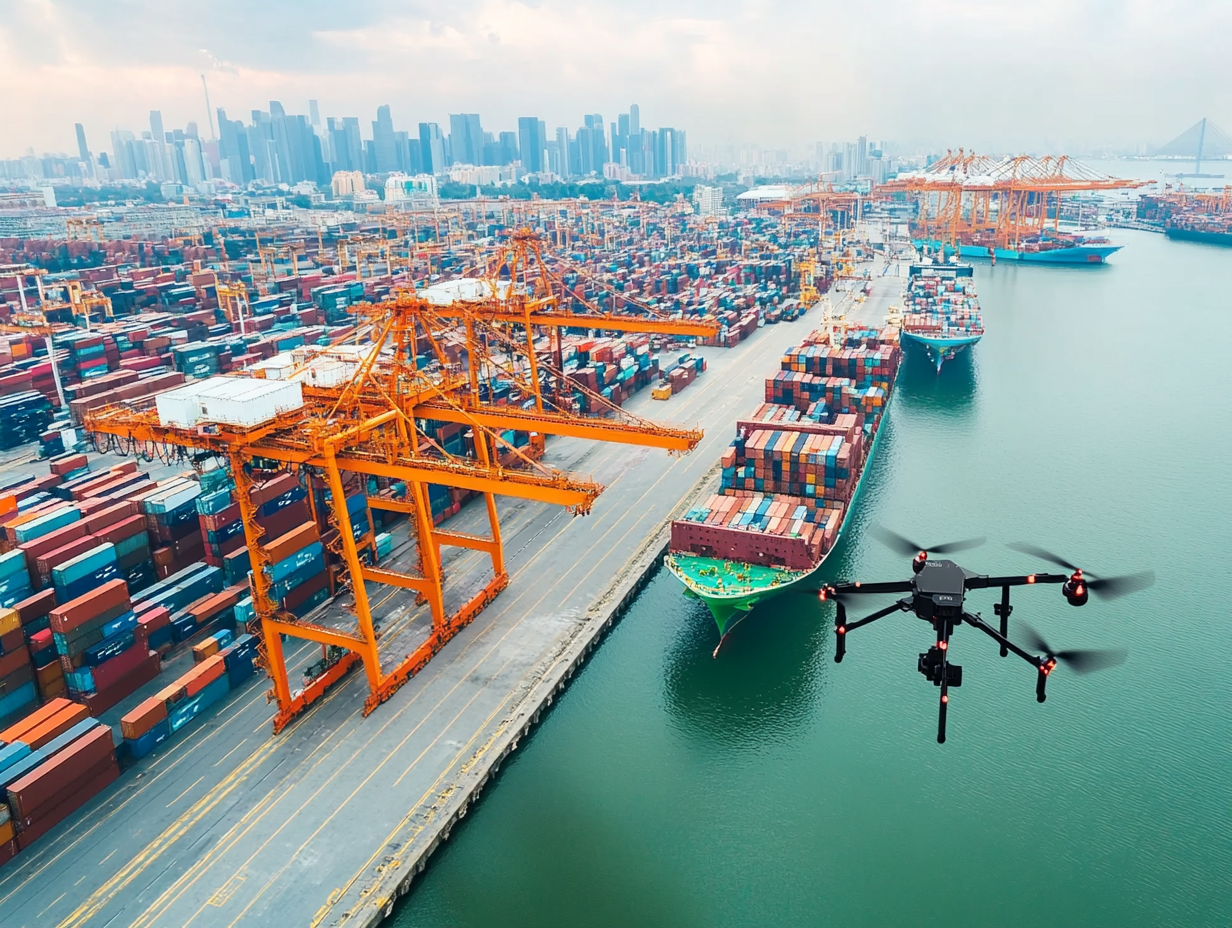
In navigating a challenging course through global imports of drones, documentation and compliance are key in the picture.The increasing importance of supply chains means that businesses now have to contend with an effective myriad of global regulations regarding export controls and labor practices. Certainly, documentation such as import permits, compliance declarations, or origin certificates is indispensable to prevent interrupting the shipping process. Recent developments serve to stake the claim even higher. For example, import bans around concerns of forced labor would cause significant setbacks for any company working with drone imports. Knowing how and preparing the right paperwork makes for a smoother transaction while helping with adhering to international trade standards for more proactive supply chain management.
As the drone industry continues to grow globally, so does the relevance of compliance requirements unique to countries. The permitted drone technology varies from one country to another, and the manner in which that drone is imported may be different from the one used to enter the market. Companies operating with this complexity require good knowledge of local laws and regulations to ensure that their products meet safety, privacy, and operational standards associated with regions.
The latest developments speak about how the global trade phenomena are changing, as the export control and national security measures are getting tighter. The result is that businesses have to be adaptive in modifying their compliance framework to suit the cross-border picture and local legal intricacies. To this end, they can better streamline operations and ensure effective overall integration of drone technology into various markets by tapping on advanced technologies and global trade analytics.
Safety and security standards on using drones are to become increasingly relevant with the advancing technology of drones. Compliance with international regulations regulates safety in UAV operation and national interests against unauthorized technology transfer or dual-use concerns. Given globalization and its ever-changing environments, a company must keep track of the ratifying and enforced regulations that disturb trade and adapt its processes to such changes.
Developments that render drones coming into sharp focus include the latest on people's knowledge of and from drone imports that cover theme issues such as human rights violations and national security. The importation, for example, is on new export controls on how they will shape up doing business within the aerospace sector. By digitally adopting companies, compliance processes can be streamlined while dealing with the regulatory turnabouts in a global market, thus ensuring competitiveness.
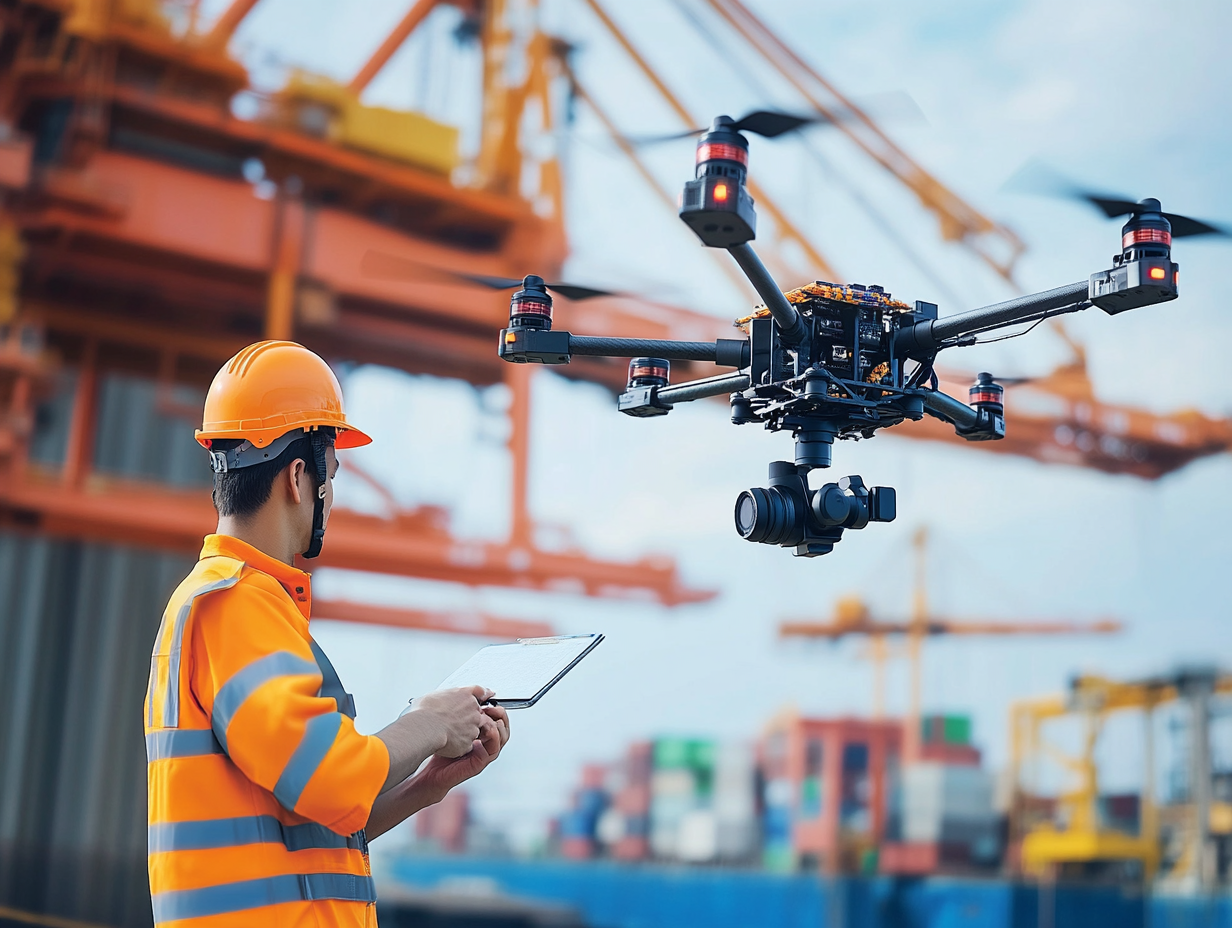
Because drone technology is rapidly changing in many diverse areas, an essential understanding of the regulatory landscape becomes vital in terms of global import compliance. Recent news indicates that the impact of changes to global trade patterns and regulatory demands has influenced how drone technology is utilized in logistics supply chain management. Increasingly tight inspection of supply chains with respect to forced labor means that companies must comply with compliance norms in order to avoid possible breaches of ethical practice.
Regulatory authorities are now changing their import regulations based on geo-political shifts and ethical and compliance concerns, such as suspension of some importation of drones from a well-known manufacturer. With the rush to adopting drones for business and operational improvement, companies will also need to invest in understanding the legal frameworks that surround cross-border trade. Both these aspects would thus be vital in keeping the market growing in which innovation is taking place rapidly.
For business houses engaged in drone technology solutions, navigating tariffs and duties becomes pivotal as trade patterns change across the globe. New tariffs will have immense consequences on cost structures, and thus, companies are required to adopt import and export practices strategically. An example of resource that is available in this instance is the Global Trade Atlas: a useful tool to send monthly bilateral trade data and allow companies to understand their decisions in trading.
Furthermore, with the advent of TradeTech, an organization can find modern tools for operating under an ever-changing compliance environment. Digital transformation solutions can fast-track these customs processes to ensure the organization is not delayed in compliance. As mentioned, such organizations fly drones for various purposes, such as public safety and last-mile delivery; beyond that, they will need to be well versed in international trade and tariffs for operational efficiency and competitive advantage.
With the evolution of drone technology, the complexities of import compliance have also grown. Following international regulations is thus of utmost importance for the concerned companies wishing to pursue drone importation. Companies need to follow the changing political landscape, the shift in tariffs, and protectionist policies, each of which can obstruct their way forward. Resources such as the Global Trade Atlas would have certainly come in handy in obtaining the relevant information for trade regulation compliance.
One practical way to guarantee compliance in drone importation is through risk assessments and risk management. Consideration to the effects of the regulations on the supply chain should be brought into the analysis, especially given that technological advances are changing the landscape of logistics and last-mile delivery systems. By looking at compliance strategically, companies will be able to address the challenges of global trade and continue to thrive in the growing drone industry.
In light of varying global regulations, customs brokers have acquired an increasingly paramount role in the compliance of drone technology solutions. Consider the recent stoppage of drone imports, which was attributed to forced labor: clearly, these regulatory landscapes are shifting at a rapid pace. Customs brokers facilitate the movement of goods across borders while having different levels of expertise with the intricacies of international compliance, protecting companies from possible legal implications.
As drone technology continues to evolve and gain acceptance in a variety of fields, brokers become more indispensable in instructing firms through that maze of trade laws. They advise organizations on import/export requirements, assist with documentation, and ensure compliance with safety regulations. In this evolving environment, hiring the right customs broker may prove crucial for companies set to flourish in the international drone market.
Import compliance for drone tech solutions is proving ever so complex, especially amidst changes in international regulations. Modification of regulatory frameworks is fixed in time because of geopolitical tensions, tariff disputes, and changes in national security policy. In trying to respond to these challenges, understanding major international regulations becomes truly important for facilitating the understanding of an already complex web of drone imports.
Drastic changes are projected for drone imports due to changing times and priorities away from such importation necessitated in drone technology importation toward supply chain compliance. Several dimensions of regulatory compliance, such as environmental standards, labor law requirements, and national security regulations, therefore render importing drone technology a very delicate affair. Even more complicated are sanctions imposed against certain countries for geopolitical wars, acting as roadblocks for companies seeking to work in an international space. Complying with these regulations will help mitigate these risks and will Invest in a sustainability-driven market ready for improvisation.
Dramatic changes in drone technology rules can be happening fast under the pressure of international trade confrontation coupled with issues of compliance and legality. It is difficult for manufacturers to stay afloat while countries struggle with the forced labor allegations and environmental issues. An example of this close scrutiny faced by the industry is recently seen import bans of certain drones which are related to labor issues.
Under these circumstances, companies should be intelligent in all emerging changes to global compliance requirements. Transparency in supply chains along with the commitment to good ethics will perform well for a company in a highly regulated arena. As the industry pushes towards new uses for drones, perhaps now most important will be building compliance into technology decisions for those carrying the torch into the future based on a very difficult landscape indeed.
With the global trade constantly changing its dimensions, it has huge implications for drone technology imports under the canopy of strict regulation and increasing geopolitical tensions. For instance, the sanctions and bans for imports that appeared in the spotlight during the last few months are those imposed because of forced labor allegations, and they show how complicated the issues are for businesses within this industry. Given the continuously escalating complexities of global trading, one needs to understand international compliance regarding regulations concerning dual-use technologies.
Trade agreements dictate the market entry mechanisms for drone solutions, hence it either eases their entry into the market or tightens entry, thus acting as barriers, depending on the geopolitical landscape. Furthermore, with major economies now applying new export controls, the navigation runs very complicated for the drone manufacturers in this flowing turbulent water. Supply Chain leaders emphasize that technology offers much in growth. For that matter, these regulations must be understood continuously ever since they capitalize on the opportunity brought along by the drone industry.
Understanding safety and security standards is vital for ensuring safe UAV operations and protecting national interests against unauthorized technology transfers and dual-use concerns.
Compliance with international regulations ensures safety in drone operations and helps businesses navigate the complexities of global trade, allowing them to operate legally and effectively across borders.
Recent developments include heightened scrutiny on drone imports due to human rights violations and national security issues, leading to new export control regulations that affect aerospace operations.
Trade agreements can facilitate or complicate market entry for drone solutions, depending on the geopolitical climate and associated regulations.
Businesses must navigate increasing regulatory scrutiny, compliance with international laws, and potential barriers due to geopolitical tensions, especially related to dual-use technologies.
Companies can embrace digital technologies to streamline compliance processes, manage regulatory complexities, and improve their competitive edge in the market.
New export controls in major economies impact how drone manufacturers operate and require them to adapt swiftly to maintain compliance and access global markets.
Technology is crucial for driving growth within the drone industry, enabling businesses to respond effectively to regulatory changes and optimize their operations.
Staying informed allows companies to leverage opportunities, comply with legal requirements, and adapt their practices to remain competitive in the rapidly evolving drone landscape.
Sanctions and import blocks can create additional barriers and complexities for drone businesses, particularly those linked to concerns over human rights practices and compliance with international standards.

