Picking the right Coating Machine for your business isn’t just a quick decision — it’s a big one that can really make or break your production speed and the quality of your products. With so many options out there, it’s easy to get overwhelmed. That’s why it’s super important to understand exactly what your operations need and what different coating machines can do for you. Whether you’re in food processing, pharma, or another industry, these machines are pretty versatile, letting you customize solutions that boost how well your products perform and look.
In this guide, I’ll walk you through ten key tips to consider when you're on the hunt for a coating machine. We’ll look at things like capacity, whether it fits your product types, how simple it is to keep running smoothly, and the latest tech that can streamline your workflow. Taking a little time to think about these points will help you pick a machine that not only works now but can grow with your business down the road. In the end, making a well-informed choice can lead to better productivity, less waste, and happier customers all around.
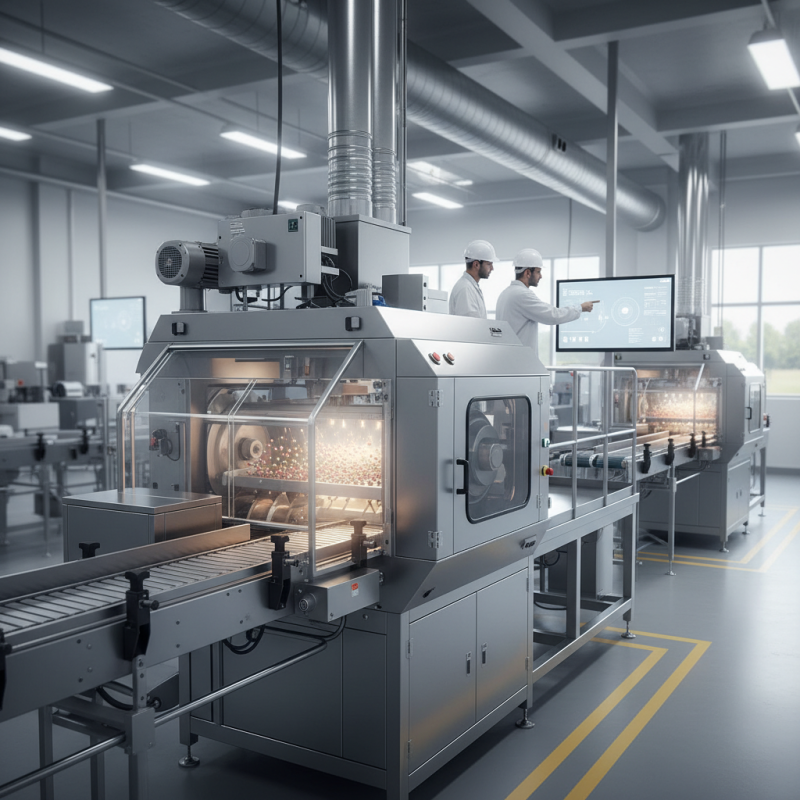
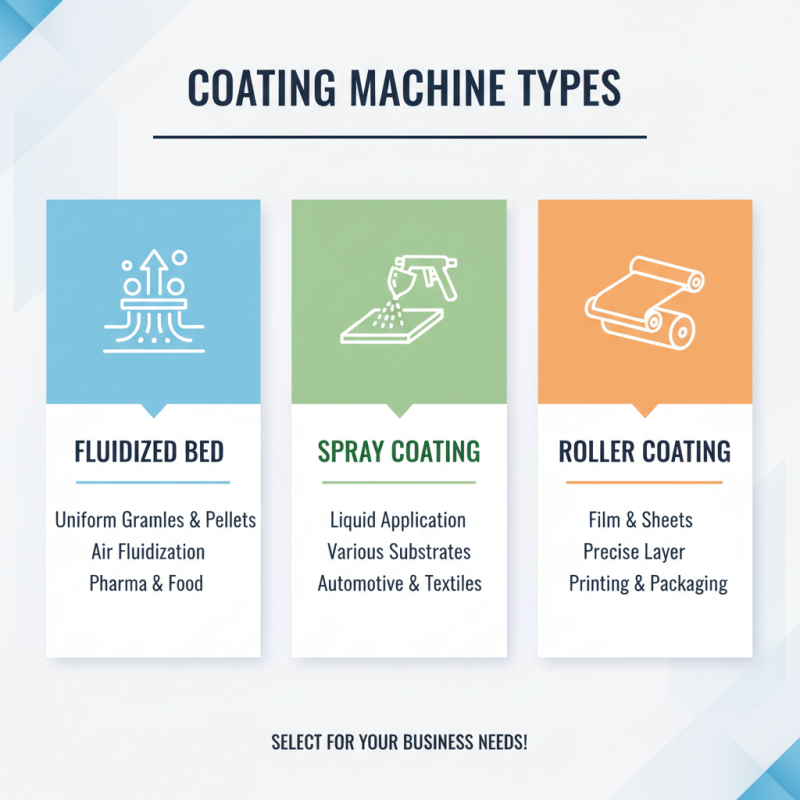
When selecting a coating machine for your business, it is crucial to understand the various types available in the market. The most common categories include fluidized bed coating machines, spray coating machines, and roller coating machines, each designed to meet specific application needs. Fluidized bed coating machines utilize a bed of powdered particles that are fluidized by air, allowing for even coating of granules and pellets. This method is particularly beneficial for industries requiring uniformity in coatings, such as pharmaceuticals and food production.
Spray coating machines, on the other hand, leverage a spray application process to achieve a precise and controlled coating layer. This type is favored for its versatility in handling both small and large production runs, making it ideal for businesses looking to customize their products. Roller coating machines, meanwhile, apply a coating directly to surfaces using rollers, making them efficient for flat items and large surfaces. Each machine type has distinct advantages, and assessing your specific product requirements, production volume, and desired coating consistency is essential in making the right choice for your operations.
When selecting a coating machine for your business, understanding your production capacity and speed requirements is crucial. The first step is to evaluate the volume of products you intend to coat. Consider both your current production levels and any anticipated growth; this will help you determine the appropriate machine size. A machine that handles your maximum output efficiently ensures you maintain a steady workflow without bottlenecks.
In addition to capacity, the speed at which your coating process operates is equally important. Different applications may require varying speeds, depending on the type of coating and the complexity of the job. For example, high-speed processes are critical in industries with tight deadlines, where any delays can lead to significant revenue losses. When assessing machines, look for features that allow for adjustable speeds to accommodate different tasks—this versatility can enhance your overall productivity.
Tip: Always verify the machine’s cycle time and how it integrates with your existing production line. This will ensure a seamless transition and help in maintaining your business's operational efficiency. Another important factor is to consult with your team about their needs and experiences, as they can provide valuable insights into the practical aspects of operating the equipment.
When selecting the right coating machine for your business, understanding the compatibility of coating materials with various substrates is crucial. Different substrates, such as metals, plastics, and wood, have unique properties that can influence the performance and durability of coatings. According to a report by the Coatings Research Group, over 40% of coating failures in the field can be attributed to improper substrate selection. This emphasizes the need for careful consideration when pairing coatings with substrates to ensure optimal adhesion and longevity.
Additionally, the chemical properties of coating materials play a significant role in determining their compatibility with substrates. For example, water-based coatings tend to perform better on porous materials, while solvent-based coatings are often preferred for non-porous surfaces. A study published in the Journal of Coatings Technology highlighted that using coatings with similar chemical characteristics as the substrate can enhance adhesion by up to 50%. This starkly illustrates the importance of not only understanding the substrate's nature but also the composition of the coating itself in the decision-making process for coating machinery.
Incorporating these insights into your selection process will ensure that your chosen coating machine is equipped to handle the specific materials you'll be working with, ultimately leading to better product quality and customer satisfaction in the long run.
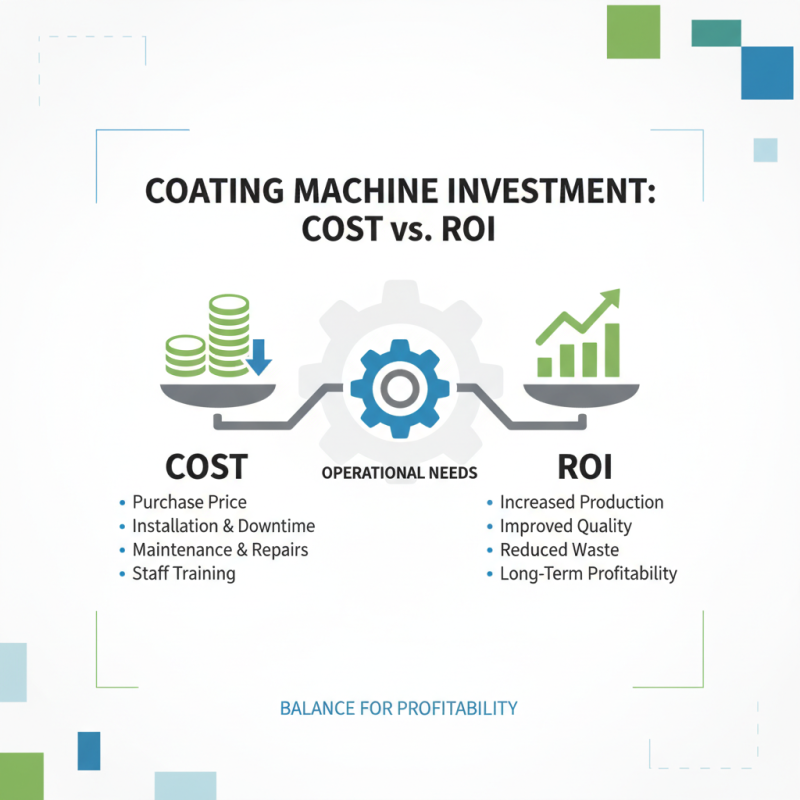
When considering the investment in a coating machine for your business, understanding the balance between cost and return on investment (ROI) is crucial. First, it's important to set a clear budget that reflects your operational needs while also accommodating potential hidden costs. These can include maintenance, training for your staff, and the potential downtime during installation. A well-planned budget should not only cover the initial purchase price but also factor in long-term operational costs that could affect your overall profitability.
Evaluating the ROI of a coating machine is equally vital. Begin by analyzing how the machine will enhance your production efficiency and product quality. If the new equipment can reduce labor costs or minimize waste, you might find a faster ROI than anticipated. Additionally, consider the machine’s versatility and scalability—an adaptable coating machine can grow with your business, allowing for future expansions without the need for a complete system overhaul. By meticulously assessing these elements, you can ensure that your investment will yield the maximum benefit over time.
When selecting a coating machine for your business, energy efficiency ratings should be at the forefront of your decision-making process. These ratings indicate how much energy the machine will consume during operation, which directly impacts your overall operating costs. A machine that excels in energy efficiency can significantly reduce your electricity bills and contribute to a more sustainable production process. Evaluating the energy efficiency of potential machines not only helps in budgeting but also aligns your business with eco-friendly practices that are increasingly valued in today’s market.
Tip 1: Always compare the energy efficiency ratings of different models. Look for machines with high-efficiency ratings, as these will typically lead to lower long-term costs. Understanding how to read these ratings, such as EER (Energy Efficiency Ratio) or SEER (Seasonal Energy Efficiency Ratio), will provide you with critical insights into potential savings.
Tip 2: Consider the machine's operational features and how they contribute to energy savings. Features such as variable speed drives or advanced sensors can optimize the machine's performance, further enhancing energy efficiency. Assessing these capabilities might require consulting product specifications or expert opinions, but the investment in a more efficient machine can pay off considerably in reduced energy waste.
By focusing on energy efficiency ratings and operational features, you not only ensure cost-effectiveness but also promote a greener business model, ultimately benefiting both your wallet and the environment.
When selecting the right coating machine for your business, considering the maintenance and support services available is crucial for ensuring the longevity of your equipment. According to a study by the Coatings World Global Survey, facilities that prioritize regular maintenance experience up to 25% fewer downtime incidents compared to those that neglect this aspect. This significant reduction in downtime not only enhances productivity but also translates into considerable cost savings, reinforcing the importance of having a solid maintenance plan.
Moreover, support services can greatly influence the operational efficiency of coating machinery. A report from the Association for Manufacturing Technology indicates that businesses investing in equipment with comprehensive support services see an increase in equipment lifespan by 30-40%. These services often encompass routine check-ups, access to expert technicians, and readily available spare parts, which collectively minimize the risk of unplanned failures. Businesses should ensure that potential coating machine suppliers offer such support services to maximize their investment and ensure that their operations remain efficient and competitive in an increasingly demanding market.
| Criteria | Importance Level | Maintenance Frequency | Support Services Available | Estimated Lifespan (Years) |
|---|---|---|---|---|
| Type of Coating | High | Monthly | Technical Support | 10 |
| Machine Size | Medium | Quarterly | On-Site Support | 8 |
| Energy Efficiency | High | Yearly | Remote Assistance | 12 |
| Cost of Ownership | Medium | As Needed | Warranty Services | 10 |
| User-Friendliness | High | Monthly | Training Available | 9 |
When selecting a coating machine for your business, one of the most important aspects to consider is the technological features that enhance automation and user-friendliness. Automation not only boosts productivity but also minimizes the chances of human error. Look for machines equipped with advanced control systems that allow for seamless operation while providing precise coating applications. Machines with programmable settings can help streamline production processes and reduce the time required for adjustments between different coating tasks.
User-friendliness is another critical factor. A machine that offers an intuitive interface and easy-to-navigate controls can significantly decrease the learning curve for your staff and enhance overall operational efficiency. When assessing options, consider machines with touchscreen controls and pre-set programs that simplify the process of switching between coating specifications. Additionally, providing adequate training on the machine’s operation can further ensure that your team is comfortable and proficient in using the equipment.
To assist in your decision-making, here are a few tips:
: The budget should reflect operational needs and include potential hidden costs like maintenance, staff training, and downtime during installation, alongside the initial purchase price and long-term operational costs.
A coating machine can enhance production efficiency by reducing labor costs, minimizing waste, and improving product quality, which can lead to a faster return on investment.
Evaluating ROI is important as it helps you measure how the machine will improve efficiency and profitability over time, ensuring that your investment yields maximum benefits.
Energy efficiency ratings indicate how much energy a machine consumes, influencing overall operating costs and helping to budget effectively while promoting eco-friendly practices.
Machines with high energy efficiency ratings typically lead to lower electricity bills, thus significantly reducing long-term operating costs and increasing overall savings.
Features like variable speed drives and advanced sensors, which optimize performance, should be considered as they contribute to energy savings and overall efficiency.
Choosing an energy-efficient machine reduces energy waste, aligning business practices with sustainability goals, and positively impacting the environment while benefiting the bottom line.
A versatile and scalable coating machine can adapt to business growth, allowing for future expansions without the need for a complete system overhaul, which supports long-term investment value.
Businesses should account for hidden costs such as machine maintenance, staff training, and potential downtime during the installation process, which can affect overall profitability.
Operational features like advanced sensors and optimizations, such as variable speed drives, can enhance the machine's performance, lead to greater energy efficiency, and further reduce waste.
Choosing the right coating machine for your business involves several critical considerations. Begin by understanding the various types of coating machines available, as each is designed for specific applications and materials. Next, evaluate your production capacity and speed requirements to ensure the machine can meet your business needs effectively. Analyzing the compatibility of coating materials with different substrates is essential to achieve desired finishes.
Additionally, it's crucial to assess the cost versus return on investment when budgeting for your coating machine. Energy efficiency ratings can significantly impact your operating costs, so explore options that reduce energy consumption. Consider maintenance and support services to enhance the longevity of your equipment. Finally, technological features such as automation and user-friendliness can streamline operations and improve productivity, making them important factors in your selection process. By carefully evaluating these aspects, you can make an informed decision on the ideal coating machine for your operations.