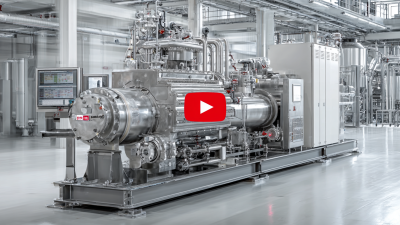
You know, it’s pretty wild how fast the manufacturing world is changing these days. One machine that's really carving out a bigger role is the Perforating Machine. With everyone in the industry pushing for better efficiency and more precision, it’s no surprise that the demand for cutting-edge perforating technology is on the rise.
Enter Zhejiang Dron Technology Co., Ltd.—founded way back in 2004—who’s really leading the charge. They’re a high-tech company dedicated to whipping up some innovative production gear. What’s cool is that they focus on all the key aspects: development, design, research, production, and sales service. They’re all about providing solutions that fit a bunch of different needs.

Looking ahead to 2025, we’re expecting not just new trends in perforating machines but also some fresh alternatives that could really shake things up and redefine what operational excellence even means. So, as we dive into these upcoming changes, it’s crucial for us to grasp how these innovations are going to shape the manufacturing scene, boost productivity, and help businesses tackle whatever challenges tomorrow has in store.
Emerging Technologies in Perforating Machines: A 2025 Outlook
So, it looks like the world of perforating machines is on the brink of some pretty big changes by 2025. This shift is all thanks to new technologies that are popping up everywhere, especially in sectors like aerospace, defense, and manufacturing. To give you an idea, the global CNC machine market is expected to skyrocket from about $101.22 billion in 2025 to a whopping $195.59 billion by 2032, which is a solid compound annual growth rate (CAGR) of 9.9%. It’s a clear sign that more and more folks are leaning towards precision manufacturing tech—meaning advanced perforating machines are about to see some serious gains.
Looking ahead to 2025, it seems that the cool new technologies in aerospace and defense are really going to ramp up the demand for high-tech perforating solutions. Manufacturers are now prioritizing their investments in digital infrastructures, and those who adapt to the latest trends in automation and AI are likely going to be the ones leading the pack. Plus, there’s a lot of talk about massive growth in related fields like semiconductor equipment manufacturing, which is set to hit around $218.60 billion by 2033. This will only boost advancements in perforating machinery, so it’s super important for everyone involved to get onboard with these tech changes.
And, as businesses tackle the challenges of the Intelligent Age—something the World Economic Forum is really emphasizing for 2025—it’s becoming clearer that integrating intelligent systems will shape the future of perforating machines. By using data-driven insights, manufacturers can not only close skills gaps but also spark innovation and improve their operations, helping them stay competitive in this fast-changing market.
Key Market Drivers Influencing Perforating Machine Innovations
Hey there! You know, the market for perforating machines is really changing right now, and a lot of that is because of new technology and the changing needs of different industries. One big reason for this shift is that businesses are all about precision and efficiency these days. Everyone’s trying to boost productivity while cutting down on waste, so we’re seeing some cool innovations in perforating tech pop up. Companies are putting their money into machines that can be set up automatically, which means less manual work and quicker turnaround times—all without losing out on quality, which is super important.
And let’s not forget about sustainability. It's a hot topic! Manufacturers are definitely on the hunt for eco-friendly options. We’re seeing breakthroughs like energy-efficient motors and even biodegradable materials being used in perforating processes. With all the regulations out there pushing industries to be more environmentally friendly, creating perforating machines that meet these sustainability goals is now a must.
On top of that, there's been a ton of progress in software tech that’s helping with smarter data integration and monitoring. This means perforating systems can be operated more intelligently and effectively. As we head towards 2025, this whole trend of intelligent manufacturing is really shaking things up in the perforating machine world!
Emerging Trends in Perforating Machines by 2025
Comparative Analysis of Traditional vs. Alternative Perforating Techniques
You know, the perforating machinery industry has really been on the move lately. It’s amazing to see how it’s shifted from those old-school methods to some pretty cool, innovative techniques. Those traditional ways, like mechanical stamping and rotary piercing, often end up wearing down the equipment more than you'd want, which can definitely slow things down in production. According to some data from the International Trade Administration, the global market for perforating machines is expected to grow around 5.2% every year between 2021 and 2026. That just goes to show how much we need better, more efficient solutions out there.
And speaking of innovations, there’s a noticeable trend toward high-tech options, like laser and waterjet perforation. These methods aren’t just fancy; they really cut down on material waste and make production a whole lot more precise and flexible. A report from MarketsandMarkets highlights that laser perforation is grabbing a solid chunk of the market share because it can create really intricate designs while keeping downtime low. Companies like Zhejiang Dron Technology Co., Ltd. are leading this charge, bringing in cutting-edge tech to their machinery to handle a variety of applications and crank up manufacturing efficiency. If businesses keep adopting these smart alternatives, we’re likely to see some major changes in the perforating machine landscape by 2025, setting new standards for performance and sustainability.
The Role of Automation and AI in Enhancing Perforating Efficiency
You know, the perforating industry is going through some pretty exciting changes right now, all thanks to automation and AI technology. By 2025, these innovations are really going to shake things up in production, making processes smoother and boosting efficiency in perforating machines. Automation is a huge game changer—it not only makes things run a lot smoother but also cuts down on those pesky human errors. That means manufacturers can nail down higher precision in what they're cranking out. Plus, with AI algorithms analyzing production data in real-time, predicting maintenance needs and optimizing machine performance is becoming much easier. The end result? We’re looking at significant cost savings and a real jump in productivity.
At Zhejiang Dron Technology Co., Ltd., we totally get how crucial these trends are in our field. We kicked things off back in 2004 as a national high-tech enterprise, and we're all about bringing the latest tech into our design and production processes. Our cutting-edge production equipment is custom-made for all sorts of applications, so our clients can really take advantage of the newest advancements in perforating machinery. As we dive headfirst into automation and AI, our mission is to raise the bar on efficiency and quality in perforation. We’re on the path to a smarter, more effective manufacturing world by 2025!
Sustainability Trends Shaping the Future of Perforating Equipment
You know, it’s pretty clear that sustainability is becoming a huge deal in just about every industry nowadays—and the perforating equipment sector is right in the mix too. By 2025, we’re going to see some really exciting upgrades in equipment that not only boost performance but also do a better job at being gentle on the environment. Manufacturers are really stepping up, focusing on ways to cut down energy use, make materials more recyclable, and fine-tune production processes to shrink those pesky carbon footprints. We’re already starting to see cool innovations like eco-friendly lubricants and energy-efficient motors, which are really paving the way for a new wave of perforating machines that align perfectly with sustainability goals.
And it’s not just all about energy efficiency. There’s a growing buzz around circular economy practices too! More and more, you’ll find perforating equipment designed to last longer, with features that make it easy to upgrade and repair, which really helps to extend their lifecycle. Plus, the push for using biodegradable materials in making parts is surfacing as a pretty cool alternative, helping to cut down on waste and promoting a much greener production cycle. As these sustainability trends keep evolving, companies that get on board with these changes aren’t just checking off regulatory boxes—they’re also tapping into a customer base that’s increasingly looking for eco-friendly products.
Case Studies: Successful Implementations of Innovative Perforating Solutions
You know, the world of perforating machines is really changing at a rapid pace, with all these cool new solutions shaking up the old ways of doing things. Just recently, I came across some fascinating case studies where companies really nailed it by adopting advanced perforating tech that not only boosted their efficiency but also made their final products so much better. Take a leading packaging firm, for example. They jumped on board with a laser perforating system which let them create super precise and consistent perforation patterns. The result? They cut down on waste and slashed their production costs. Plus, they were able to meet the varied needs of their clients—all while cranking out products at high speed.
And then there’s this great example from the textile industry. A manufacturer there decided to integrate smart perforating machines that are loaded with IoT features. This wasn't just about tech for tech's sake; it really helped them streamline their workflow and gave them the power to monitor everything in real-time. By crunching the data and implementing some smart predictive maintenance, they managed to kill downtime and really boost their operational performance. These examples really show how embracing innovative perforating solutions can lead to some amazing transformations, setting the bar high for both efficiency and sustainability across different sectors.
Enhancing Industrial Productivity: The Role of SE-Series Large-Scale Tape Casting Machine
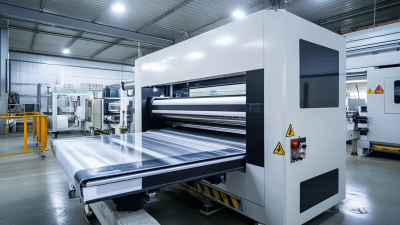
In the dynamically evolving manufacturing landscape, the importance of efficient production processes cannot be overstated. The SE-Series Large-Scale Tape Casting Machine represents a significant leap forward in enhancing industrial productivity. Designed for high-output production, this machine improves the tape casting process, which is crucial in industries like ceramics, electronics, and advanced materials. According to a report by the International Journal of Materials Manufacturing, the optimization of tape casting can increase production efficiency by up to 40%, substantially lowering operational costs.
One of the standout features of the SE-Series is its automation capabilities, which reduce human error and increase precision. Estimates from the Manufacturing Performance Institute indicate that automating production lines can lead to a 30% reduction in waste and a similar decrease in cycle times. Furthermore, the SE-Series integrates advanced monitoring systems that offer real-time feedback, ensuring the quality and consistency of the end products. This technological edge not only boosts productivity but also enhances the competitiveness of manufacturers in a global market increasingly driven by quality and speed.
The robust construction and innovative design of the SE-Series make it suitable for various applications, from the production of lithium batteries to electronic components. Industry analysts project that as manufacturers continue to embrace advanced machinery like the SE-Series, the market for tape casting equipment is expected to grow by over 12% annually through 2027. The SE-Series Large-Scale Tape Casting Machine stands out as a key player in a future where industrial productivity is paramount.
FAQS
: The future of perforating equipment is shaped by sustainability trends, including advancements in energy efficiency, improved recyclability of materials, the adoption of circular economy practices, and the incorporation of biodegradable materials.
Manufacturers are focusing on developing energy-efficient motors and eco-friendly lubricants to minimize energy consumption and reduce the carbon footprints of their equipment.
This trend involves designing perforating equipment for longevity, making upgrades and repairs easier to extend their lifecycle while minimizing waste through the use of biodegradable materials in component manufacturing.
Yes, one example is a packaging firm that adopted a laser perforating system, enhancing efficiency and reducing waste, while another is a textile manufacturer that used smart perforating machines with IoT capabilities for improved workflow and real-time monitoring.
Advanced perforating technologies, like laser systems, reduce waste and streamline processes, ultimately leading to lower production costs and better product quality.
Smart perforating machines provide IoT capabilities that allow for real-time monitoring, predictive maintenance, reduced downtime, and improved operational performance in manufacturing processes.
Improved recyclability reduces environmental impact and waste, aligning with sustainability goals and consumer preferences for eco-conscious products.
A growing consumer base prioritizes eco-conscious products, prompting manufacturers to adopt sustainable practices and innovations in their perforating equipment to meet market demands.
Embracing sustainability trends helps industry players meet regulatory demands and avoid potential penalties while appealing to environmentally conscious consumers.
The use of biodegradable materials reduces waste and promotes a greener production cycle, aligning with the overall sustainability efforts in the industry.