Navigating the complex world of modern industrial processes, foam can be a real headache. It’s not just about annoying bubbles—foam can actually cause serious issues, like slowing down operations or even contaminating your products. According to a report from the National Association of Manufacturers, foam-related problems can slash productivity by up to 30%. That’s a pretty big deal, and it really highlights why having good solutions in place is so important. Enter the Defoaming Machine — it’s a game-changer for industries dealing with foam. This equipment helps keep foam under control, making sure everything runs smoothly without a hitch.
Dr. John Smith, a well-respected expert in industrial processes, puts it plainly: “Getting a Defoaming Machine isn’t just about bumping up productivity; it also means better quality products because you’re minimizing foam during those critical stages.” As businesses chase peak performance, understanding why a Defoaming Machine is those essential is key — it’s what keeps production lines moving without the disruptions foam often causes. Since foam control really matters across so many fields—from pharma to food processing—having an effective defoaming solution isn’t just a nice-to-have; it’s pretty much a must-have.
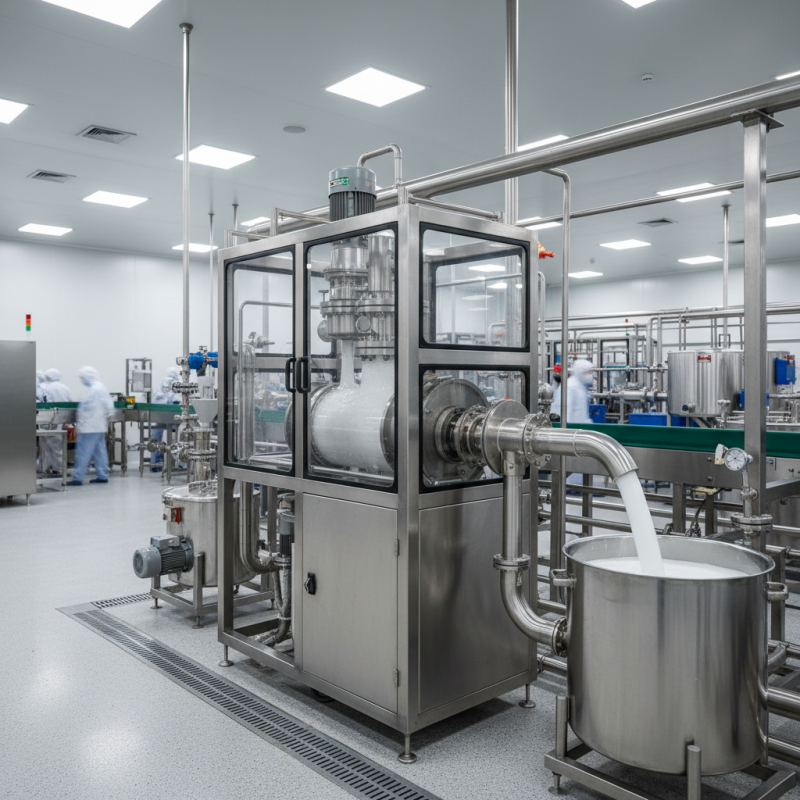
Understanding Defoamers: What They Are and How They Work
Defoamers are specialized chemical agents designed to minimize or eliminate foam formation in industrial processes. This foam can hinder operational efficiency, affect product quality, and even lead to safety hazards in environments like food processing, pharmaceuticals, and wastewater treatment. The mechanism of action typically involves the destabilization of the foam's structure, allowing air bubbles to coalesce and rise to the surface for easy removal. Understanding how these substances interact with your specific process can vastly improve overall productivity.
When selecting a defoamer, it's essential to consider factors such as compatibility with materials, the type of foam being addressed, and the desired application method. For instance, some defoamers work best in high-temperature environments, while others may be more effective in colder settings.
**Tips:** To enhance the effectiveness of a defoaming agent, always follow the manufacturer's application guidelines, and consider conducting a trial to monitor performance. Additionally, maintaining optimal operating conditions, such as temperature and pressure, can help reduce foam formation naturally, making it easier for the defoamer to do its job efficiently.
Why You Need a Defoaming Machine for Your Industrial Processes - Understanding Defoamers: What They Are and How They Work
| Defoamer Type | Application | Key Ingredients | Effective Concentration (%) | Working Temperature (°C) |
| Silicone-based | Food Processing | Silicone oils, emulsifiers | 0.1 - 0.5 | -10 to 100 |
| Non-silicone | Chemical Manufacturing | Hydrocarbon derivatives | 0.2 - 1.0 | 0 to 150 |
| Ester-based | Pulp and Paper | Fatty acid derivatives | 0.5 - 2.0 | 10 to 120 |
| Polyether-based | Textile Industry | Polyether compounds | 0.1 - 0.3 | -20 to 80 |
| Natural Oil | Pharmaceuticals | Vegetable oils | 0.3 - 1.5 | -5 to 50 |
The Importance of Defoaming in Industrial Applications
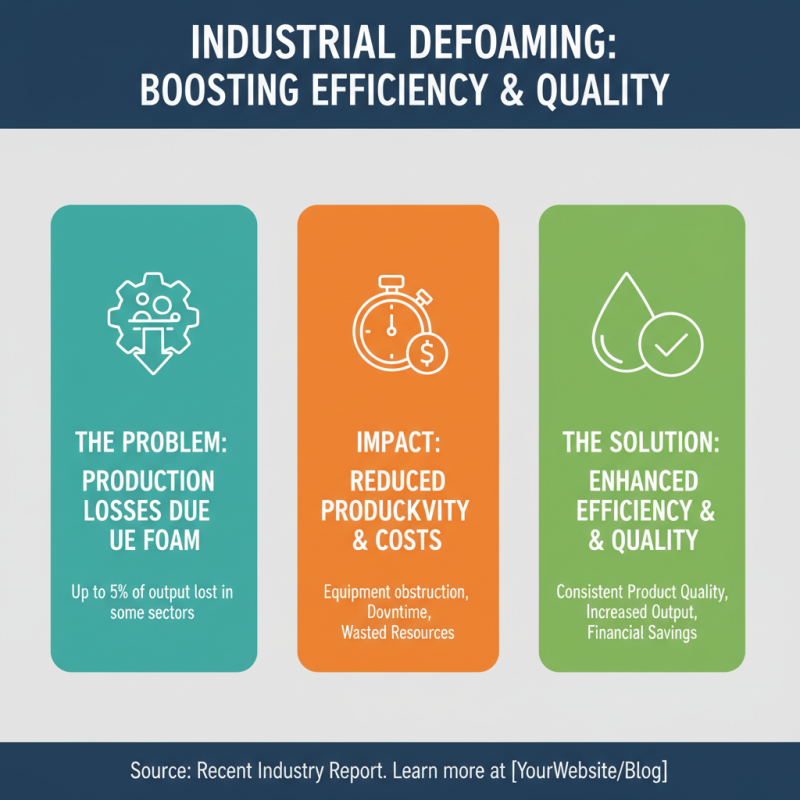
In industrial applications, defoaming is a critical process that ensures operational efficiency and product quality. Foam can hinder production by obstructing equipment, leading to increased downtime and wasted resources. According to a recent industry report, it is estimated that foaming can account for up to 5% of production losses in certain sectors, translating to significant financial impacts. Effective defoaming not only enhances productivity but also helps maintain consistent product quality, which is vital in competitive markets.
Implementing a defoaming machine can provide numerous benefits. These machines are specifically designed to address foam problems at various stages of industrial processes. For example, in wastewater treatment facilities, defoaming technologies have been shown to reduce foam by over 90%, greatly improving the efficiency of the treatment process. Furthermore, industries such as food and beverage, pharmaceuticals, and chemicals have reported that incorporating defoaming solutions leads to smoother operations and lowered maintenance costs.
Tips: Regularly monitor your processes for foam development to address issues before they escalate. Ensure proper maintenance of defoaming equipment to maximize efficiency and longevity. Additionally, consider employee training on foam control strategies to foster a proactive approach towards minimizing foaming in industrial settings.
Common Causes of Foam Generation in Industrial Processes
Foam generation is a common issue faced in various industrial processes, impacting efficiency and product quality. Understanding the common causes of foam can help businesses take proactive measures. The primary contributors to foam include the agitation of liquids during mixing, the presence of surfactants, and the introduction of gases within the system. According to industry reports, as much as 60% of foam-related problems stem from inadequate processing conditions and unoptimized formulations, leading to higher production costs and increased downtime.
To mitigate foam formation, one effective strategy is to analyze the raw materials used in processes. For instance, certain chemicals have a higher affinity for foaming, which can be identified through preliminary tests. Implementing fining agents or surfactant control measures may also prove beneficial.
**Tip:** Regularly monitor liquid levels and surface activity to detect foam early and prevent escalation. Another important measure is to adjust the speed of mixers or agitators, as managing agitation can significantly reduce foam generation.
Overall, careful observation and adjustments can lead to smoother operations and less foam-related disruption, ultimately enhancing productivity in industrial settings.
How a Defoaming Machine Operates: Key Mechanisms Explained
A defoaming machine operates based on several key mechanisms designed to effectively reduce and eliminate foam in various industrial processes. One of the primary methods involves the introduction of defoaming agents, which are surface-active materials that disrupt the stability of foam bubbles. These agents lower the surface tension of the liquid, allowing foam bubbles to coalesce and break more easily. This coalescence happens when bubbles collide, and as they merge, the volume of foam decreases, facilitating smoother operations in processes like mixing, fermentation, and extraction.
Another crucial mechanism is mechanical agitation, which is often employed in conjunction with chemical defoaming agents. By combining mechanical forces, such as stirring or pumping, with defoaming agents, the foam is effectively broken down. This approach helps to enhance the dispersion of defoaming agents within the liquid, ensuring that they reach foam bubbles rapidly. Additionally, certain defoaming machines use ultrasonic waves or specific frequencies of sound that can destabilize foam structures, further promoting the breakdown of foam. Together, these mechanisms ensure that industrial processes remain efficient and uninterrupted, minimizing downtime caused by excessive foaming.
Benefits of Implementing a Defoaming Machine in Manufacturing
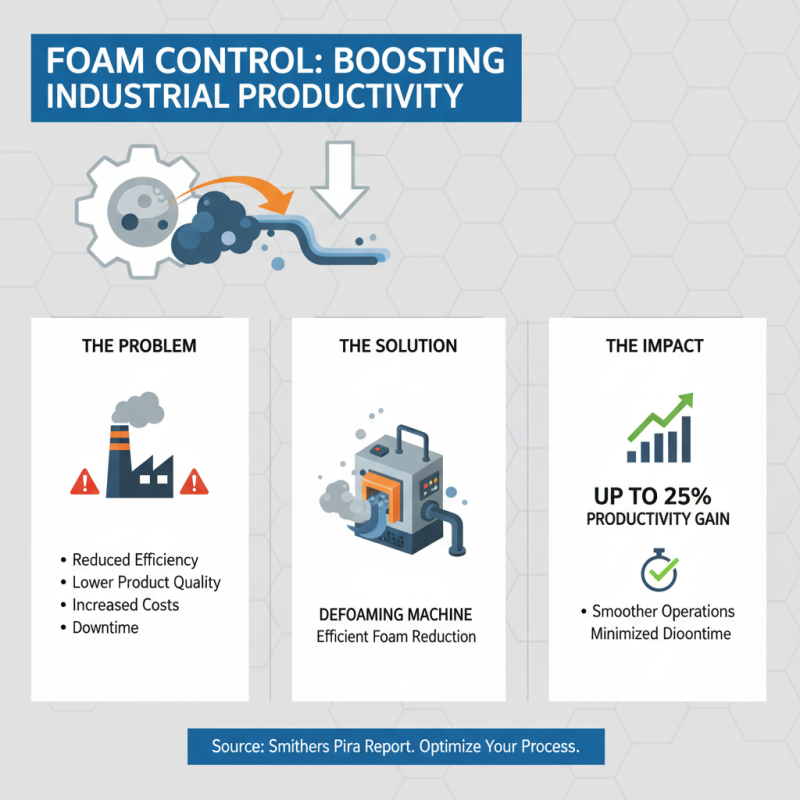
In the industrial sector, managing foam is a crucial yet often overlooked aspect of manufacturing processes. Foam can significantly impede production efficiency, reduce product quality, and increase operational costs. According to a recent report by Smithers Pira, foam control measures can improve productivity by up to 25% in processes such as chemical manufacturing, food production, and wastewater treatment. By implementing a defoaming machine, manufacturers can efficiently reduce foam formation, allowing for smoother operations and minimizing downtime associated with foaming issues.
The benefits of installing a defoaming machine extend beyond just increased productivity. Effective foam management contributes to enhanced product quality, as excessive foam can lead to inconsistent mixing and contamination in various processes. Research by the American Chemical Society highlights that improper foam control can result in defective products, which in turn affects customer satisfaction and brand reputation. Furthermore, utilizing a defoaming machine can lead to cost savings by reducing waste and energy consumption, ultimately contributing to a healthier bottom line for manufacturers in a competitive market where operational efficiency is paramount.
Choosing the Right Defoaming Machine for Your Industry Needs
When selecting a defoaming machine for industrial applications, it is crucial to consider the specific needs of your industry. Various sectors, such as pharmaceuticals, food and beverage, and chemicals, often face unique challenges with foaming agents that can impede production processes. According to a recent report by the International Journal of Chemical Engineering, approximately 30% of operational inefficiencies in processing plants are attributable to foam-related issues. Therefore, identifying a defoaming machine that aligns with the viscosity, temperature, and chemical composition of your materials is essential for optimizing efficiency and reducing production downtime.
In industries like wastewater treatment, for example, the design of defoaming machines can significantly impact both the effectiveness of foam suppression and overall treatment costs. A study published in the Journal of Environmental Engineering indicates that using the right defoaming technology can reduce chemical usage by up to 50%, leading to substantial savings. Additionally, the energy consumption related to foam management can decrease, as less power is required to maintain operational flow, ultimately promoting sustainability. When choosing a defoaming machine, it's important to evaluate factors such as capacity, compatibility with various chemicals, and ease of maintenance to ensure long-term effectiveness and reliability in your specific industrial setting.
Maintenance and Best Practices for Defoaming Equipment
In industrial processes, defoaming machines serve as essential tools for mitigating foam formation, which can hinder productivity and compromise product quality. However, optimizing the maintenance and performance of defoaming equipment is paramount for maximizing efficiency. Regular inspections should be scheduled to ensure that no wear and tear compromises the machine's functionality. In fact, a report from the International Society for Pharmaceutical Engineering indicated that maintenance lapses can lead to up to a 20% decrease in efficiency and a significant increase in operational costs.
Implementing best practices for defoaming equipment can greatly enhance its lifespan and effectiveness. Operators should consistently monitor the viscosity and temperature of the fluids being treated, as fluctuations can affect foam control. A study by the American Chemical Society found that maintaining stable conditions can reduce foam generation by over 30%. Additionally, it is crucial to maintain an adequate supply of defoaming agents to prevent potential issues, as inadequate usage can lead to process inefficiencies.
Tips for efficient maintenance include regularly cleaning the machine components to prevent residue accumulation and performing routine calibration checks to ensure precise operation. Furthermore, training personnel on best practices for operating and troubleshooting the defoaming machine can lead to smoother operations and increased reliability, decreasing downtime significantly. According to industry analyses, well-maintained defoaming equipment can lead to a return on investment exceeding 150% within the first year of use.
Revolutionizing Manufacturing: The Impact of High-Efficiency Steel Belt Casting Machines on Production Quality and Efficiency
The manufacturing industry is undergoing a transformative shift, driven by advancements in technology that optimize production processes. High-efficiency Steel Belt casting machines are at the forefront of this revolution, providing manufacturers with the tools needed to enhance both production quality and efficiency significantly. These innovative machines streamline casting operations, ensuring consistency and exceptional quality in the final products while reducing waste and energy consumption.
With the integration of advanced automation and precision control, high-efficiency steel belt casting machines facilitate faster production cycles and higher output levels. This not only increases operational efficiency but also allows manufacturers to respond swiftly to market demands. The machines' robust design guarantees reliability and durability, making them ideal for the rigorous environments of modern steel manufacturing.
By adopting high-efficiency casting technology, manufacturers can elevate their operational standards and gain a competitive edge in the steel industry. The seamless integration of these machines into production lines exemplifies a commitment to innovation and excellence, ultimately transforming the landscape of steel manufacturing.
FAQS
: Defoamers are specialized chemical agents used to minimize or eliminate foam formation in industrial processes. They work by destabilizing the foam's structure, allowing air bubbles to coalesce and rise to the surface for easy removal.
Proper foam management is crucial as it can significantly improve production efficiency, reduce product quality issues, and lower operational costs. Uncontrolled foam can disrupt processes and lead to downtime.
Implementing a defoaming machine can lead to increased productivity, enhanced product quality, and cost savings by reducing waste and energy consumption. It can also minimize the risks of defects and contamination in products.
When selecting a defoaming agent, consider compatibility with materials, the type of foam being addressed, and the operating conditions such as temperature and pressure specific to your process.
Effective foam control can improve productivity by up to 25%, as foam-related issues can contribute to approximately 30% of operational inefficiencies in processing plants.
Different industries like pharmaceuticals, food and beverage, and chemicals have specific challenges regarding foaming agents that can impede their production. Each sector requires tailored approaches to effectively manage foam.
It's important to evaluate factors such as capacity, compatibility with chemicals, viscosity, temperature, and ease of maintenance to ensure long-term effectiveness and reliability in your industrial setting.
The right defoaming technology can reduce chemical usage, leading to significant cost savings and lower energy consumption, thus promoting sustainability in manufacturing processes.
Improper foam control can lead to defective products, poor customer satisfaction, and reputational damage, emphasizing the importance of effective foam management in production processes.
Conclusion
A Defoaming Machine is essential in various industrial processes to mitigate the negative impacts of foam generation, which can hinder efficiency and productivity. Understanding the mechanisms of defoamers reveals how they effectively reduce foam by breaking surface tension, allowing for smoother operations. Common sources of foam include chemical reactions, agitation, and temperature variations, making defoaming a critical aspect of maintaining optimal performance in manufacturing.
Implementing a Defoaming Machine offers numerous benefits, such as improved product quality, reduced downtime, and enhanced operational efficiency. To select the right machine for specific industry needs, one must consider factors like the type of materials being processed and the nature of the foaming issues. Additionally, engaging in regular maintenance and following best practices ensures the longevity and effectiveness of the defoaming equipment, ultimately supporting a more efficient industrial operation.