When it comes to picking out the best SOFC Manufacturing Equipment, it’s pretty important to really understand the ins and outs of the industry. Dr. Sarah Thompson from Energy Innovations Inc. puts it nicely: "Getting the right equipment can make a huge difference in how efficient and productive your process is." That really highlights why making an informed choice matters so much when it comes to manufacturing.
But honestly, choosing SOFC manufacturing gear isn’t just about specs on paper. You’ve got to think about what your operation actually needs and what your long-term plans are. Things like how reliable the equipment is and how easy it is to maintain are super important. Spending a bit more on quality tools upfront can save you a lot of headaches and money in the long run by avoiding unexpected downtime. Still, it can feel pretty overwhelming trying to find that sweet spot between cost and quality — it’s a tricky balancing act.
And let’s not forget, staying up-to-date with the latest tech can really boost your productivity. The cool thing is, innovations in SOFC equipment are happening all the time, which is exciting. But, of course, every investment has its risks too. Taking the time to really evaluate what makes sense for your specific situation can make all the difference. So, give yourself some space to reflect on your needs — navigating this whole landscape isn’t always straightforward, but with a bit of patience, you’ll get there.

Understanding the Basics of SOFC Technology and Manufacturing
Understanding SOFC technology and its manufacturing is crucial for making informed decisions. Solid Oxide Fuel Cells (SOFC) convert fuel into electricity through an electrochemical process. They operate at high temperatures, typically between 600-1000 degrees Celsius. By 2026, the global SOFC market is projected to reach $1.6 billion, signaling strong growth potential. Yet, the complexity of SOFC production poses challenges.
Tips: Invest in training for your team. Knowledge is key in mastering SOFC technology.
The manufacturing process requires precise control over several factors. This includes the composition of the electrolyte and the quality of the anode materials. Recent studies suggest that a 1% improvement in material purity can enhance efficiency by up to 10%. However, achieving this high level of purity consistently is often difficult. Equipment choices should focus on scalability and adaptability to evolving technologies.
Tips: Always prioritize equipment reliability. Equipment failures can lead to significant downtimes.
Navigating the landscape of SOFC manufacturing equipment can be daunting. With numerous options available, ensure your equipment meets your production needs. Analyze data from reliable industry reports. Consider both the upfront and long-term operating costs. Understanding the nuances of SOFC technology will empower you to make smarter decisions.
How to Choose the Best SOFC Manufacturing Equipment?
| Equipment Type | Key Features | Cost Range (USD) | Production Capacity (Units/day) | Maintenance Needs |
|
Tape Casting Equipment | Precision layering, adjustable thickness | $50,000 - $150,000 | 200 - 500 | Moderate |
| Sintering Oven | High temperature range, uniform heating | $100,000 - $300,000 | 100 - 250 | High |
| Drying Equipment | Controlled environment, energy efficient | $30,000 - $80,000 | 300 - 600 | Low |
| Electrode Coating System | Uniform coating, multiple material compatibility | $75,000 - $200,000 | 150 - 400 | Moderate |
Key Factors to Consider When Selecting SOFC Manufacturing Equipment
Choosing the right manufacturing equipment for Solid Oxide Fuel Cells (SOFC) is crucial. Focus on key factors that can impact your production quality and efficiency. One primary consideration is the equipment’s compatibility with various SOFC materials. Ensure that the machinery can handle ceramic matrices and conductive layers effectively.
Next, evaluate the machine's production capacity. Some equipment may promise high output but fall short in operational efficiency. Look for systems that balance speed and quality. An excessive focus on speed can lead to flawed products, requiring rework.
Additionally, consider ease of maintenance. Complex machines can lead to unexpected downtimes. It’s essential to select equipment that simplifies repairs, reducing long-term costs. Engage with existing users; their experiences can reveal strengths and weaknesses you might miss. Thoughtful reflection on these factors can enhance your decision-making process.
Assessing the Technical Specifications of SOFC Equipment
When assessing the technical specifications of SOFC equipment, key factors come into play. The efficiency of the fuel cells greatly depends on the materials used in manufacturing. High-quality ceramics and metals are essential for optimal performance. Understanding how these materials interact is vital.
Temperature tolerance is another critical aspect. SOFCs often operate at high temperatures. Equipment capable of sustaining these conditions is necessary. Sometimes, manufacturers overlook this, leading to premature failures. It’s disappointing when equipment doesn’t perform as expected.
Another detail to consider is scalability. Some equipment may work well in a lab, but in large-scale production, it falters. This issue can hinder operational efficiency. Many manufacturers need to reflect on their choices, especially when investing in China SOFC Manufacturing Equipment. Specifications must match intended use; otherwise, wasted resources can become a serious problem.
Evaluating the Reliability and Durability of Manufacturing Tools
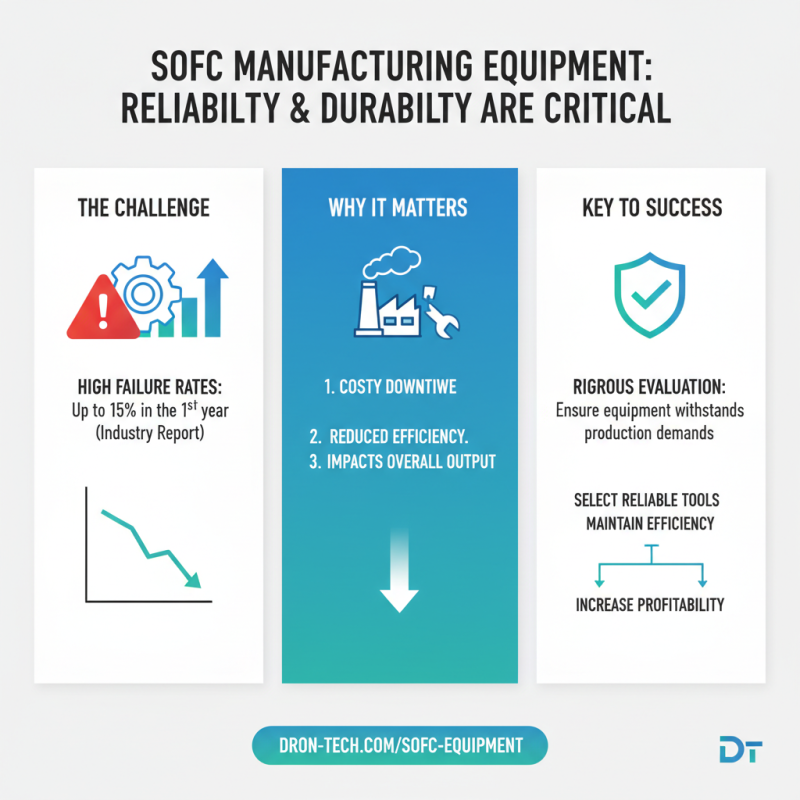
Reliability and durability are critical when selecting the Best SOFC Manufacturing Equipment. According to a report by industry experts, failure rates for manufacturing tools can be as high as 15% within the first year. This statistic highlights the importance of evaluating equipment rigorously. Ensuring that tools can withstand the demands of SOFC production is essential for maintaining efficiency. A breakdown in equipment can lead to costly downtimes and impact overall output.
In evaluating tools, consider their material quality and construction. Equipment made from high-grade stainless steel or specialized alloys typically show better performance over time. Data suggests that these materials enhance durability by up to 30%. Nonetheless, the initial costs of such equipment can be a barrier for some manufacturers. It's crucial to weigh long-term benefits against upfront investments. Additionally, reviews from other manufacturers reveal that maintenance often gets overlooked. Regular servicing can extend the lifespan of the equipment significantly.
The best SOFC manufacturing equipment needs to balance cost, reliability, and performance. A well-documented maintenance plan is just as vital as the quality of tools used. Ultimately, it is vital to cultivate a culture of continuous improvement, learning from the performance of existing tools. This leads to a more resilient manufacturing operation.
Cost Analysis: Budgeting for SOFC Manufacturing Equipment
Budgeting for SOFC manufacturing equipment requires a careful approach. Start by assessing your production needs. Consider factors like scale, technology, and efficiency. This assessment can guide your investment strategy. You may find that higher upfront costs lead to better long-term returns. Researching options is essential.
Explore vendors and their offerings. Look for a reliable SOFC Manufacturing Equipment Supplier that provides comprehensive support. Price variations can be significant. Some suppliers offer hidden costs that can affect your budget. You might encounter equipment that appears affordable but lacks the durability needed for sustained production.
Additionally, factor in maintenance and operational costs. These can add up quickly and impact profitability. It's not uncommon for manufacturers to overlook these expenses. Use this opportunity to review your expected performance metrics. Reflect on your choices continuously, as the manufacturing landscape evolves rapidly. This reflection can help you make informed decisions for future investments.
Identifying Reputable Manufacturers and Suppliers
When selecting SOFC manufacturing equipment, identifying reputable manufacturers and suppliers is crucial. Start by researching the industry landscape. Look for companies with a proven history in the market. Many firms showcase their achievements through case studies and client testimonials. These can provide insights into their reliability. Use online platforms and industry forums for reviews. Genuine feedback from other users can reveal much about a manufacturer's quality.
Contact potential manufacturers directly. Engaging with them helps you gauge their responsiveness and knowledge. Ask detailed questions about their equipment. Inquire about their production capabilities, warranty terms, and maintenance support. A reliable SOFC Manufacturing Equipment Manufacturer should be transparent and willing to provide comprehensive information. Pay attention to their communication style. Clear, informed responses often indicate a company's commitment to customer service.
Additionally, consider visiting facilities if possible. Seeing the production process firsthand offers valuable insights. Assess their quality control measures and the technology they employ. It’s also beneficial to reflect on whether the equipment meets evolving market demands. Not all manufacturers adapt to industry innovations. Choosing a partner who understands future trends can lead to better investment decisions.
Understanding Maintenance and Support for SOFC Equipment
Maintenance and support are critical aspects of operating solid oxide fuel cell (SOFC) manufacturing equipment. Regular upkeep ensures the longevity of the machines and optimizes their performance. This requires a thorough understanding of the equipment. Each component may have its specific needs, which can be quite challenging to monitor.
Having a reliable maintenance plan in place is essential. This includes routine inspections and timely part replacements. It’s not just about checking for visible signs of wear and tear. Sometimes, hidden issues can cause significant downtime. Operators should also be trained to identify potential problems early, a task that can be easier said than done.
Support extends beyond maintenance. Technical assistance is vital for troubleshooting. Even the best equipment can experience unexpected failures. Comprehensive support means having access to experts who can quickly guide staff through complex issues. However, finding quality support can be hit or miss. Regular reviews and feedback loops can help improve this aspect over time, but many organizations still overlook it. The commitment to ongoing support can truly differentiate successful manufacturers from those struggling to keep up with operational demands.
FAQS
: The product aims to enhance daily life. It offers convenience and improves efficiency.
Follow the instructions carefully. Make sure to understand each step. Practice makes perfect.
Users should be cautious. Improper use can lead to accidents. Always prioritize safety.
Check for user errors first. If issues persist, refer to the troubleshooting guide. Reach out for support if needed.
The lifespan can vary. It depends on usage and maintenance. Regular care can extend durability.
Yes, most return policies allow for this. However, check the specific conditions. Keep all packaging intact.
A warranty might be included. Always verify the coverage details. Keep your receipt for reference.
Avoid excessive force. Don’t use it in extreme conditions. Misuse may result in damage.
Sharing is possible, but ensure others understand usage. Different users may have varied experiences.
Look for guides online. Community forums can also be helpful. Don’t hesitate to ask questions!
Conclusion
Choosing the right SOFC manufacturing equipment is crucial for optimizing the production of solid oxide fuel cells. Understanding the fundamentals of SOFC technology and its manufacturing process lays the foundation for evaluating equipment options. Key factors such as technical specifications, reliability, and durability should be carefully assessed to ensure the equipment meets operational demands. Additionally, conducting a thorough cost analysis helps in budgeting effectively for such investments.
Identifying reputable manufacturers and suppliers is essential for acquiring high-quality SOFC manufacturing equipment. Furthermore, understanding the maintenance and support services offered can significantly enhance the longevity and efficiency of the equipment. By focusing on these aspects, manufacturers can make informed decisions that will lead to successful production outcomes in the SOFC industry.