Picking out a Thin Film Casting Machine is pretty important for a lot of manufacturers. With so many factories in China offering different options, it can get pretty overwhelming to make the right choice. The quality can really vary from one place to another, and that makes it even trickier. The machine you choose isn’t just about keeping things running smoothly – it also affects the quality of your final product, so you wanna get this right.
When deciding, it’s a good idea to think about what you really need the machine for. Different machines have their own strengths—some are faster, others are more precise. So, take your time to compare what each one offers. Don’t forget to look into the specs and, just as importantly, check out what other folks have to say about the manufacturer’s reputation.
Don’t rush into buying something without doing your homework. Reach out to the suppliers, ask lots of questions, and if possible, see the machine in action with a demo. Sometimes, issues only pop up once the machine’s working under real conditions. Think about your specific requirements and see how each option stacks up. Taking a bit of time to figure this out now can save you a lot of headaches (and money) later on. Trust me, a little extra thought can make all the difference in making a smart investment.
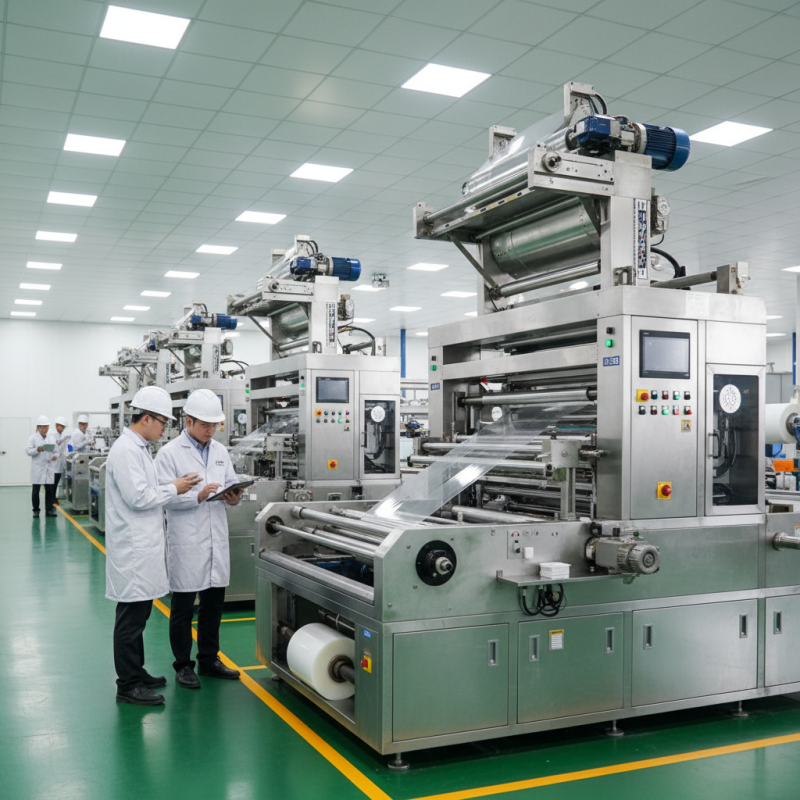
Thin Film Casting Machines play a vital role in multiple industries, particularly in the production of thin films used in packaging, electronics, and pharmaceuticals. These machines are designed to create uniform, high-quality films that meet specific industry requirements. According to a recent market analysis from Research and Markets, the global thin film market is expected to reach $50 billion by 2026, driven by increasing demand in food packaging and electronic devices.
The technology behind thin film casting has advanced, leading to improved efficiency and lower production costs. Modern machines often incorporate features like automated control systems and real-time monitoring. This can reduce material waste and enhance production rates. However, not all machines deliver consistent results. Companies must evaluate performance data carefully. Reports indicate that around 20% of thin film production is flawed due to inconsistent machine operation. Investing in high-quality machinery can mitigate these issues.
When choosing a machine, consider its versatility. Some machines can handle a variety of materials, while others are limited. An industry report from MarketsandMarkets highlights that 30% of manufacturers are dissatisfied with their machine's compatibility with new materials. Understanding the specific applications of thin films within your industry will guide your decision. Choose with clarity, but acknowledge the potential challenges in finding the perfect fit.
When selecting a China Thin Film Casting Machine, key features are essential to consider. The machine's build quality is paramount. Look for robust materials that can withstand frequent use. This ensures durability and longevity. Check for corrosion-resistant components. Machines exposed to various substances need this protection.
Another critical aspect is the machine's precision. A high-quality casting machine should provide consistent results. Look for adjustable parameters that allow for fine-tuning. This aids in producing films of varying thickness. Accurate temperature control is also vital. It enhances the quality of the final product.
Ease of maintenance should not be overlooked. Machines that require complex upkeep can lead to downtime. Check if the China Thin Film Casting Machine has user-friendly access points for cleaning and repairs. Training may be necessary, but machines should ideally be intuitive. A well-thought-out design can save time and labor costs in the long run. Consider these features carefully to make an informed choice.
When evaluating the production capacity of Chinese thin film casting machines, several key factors come into play. The machine's output per hour is essential. A higher output means better efficiency, which can significantly impact your production line. Look for machines that can produce a variety of thicknesses. This adaptability can help meet varying customer needs.
Another important aspect is the technology used in these machines. Older models may not provide the same precision as newer ones. Precision affects the quality of the films produced. Poor quality can lead to waste and rework, impacting overall productivity. Keep this in mind when considering options.
Moreover, pay attention to the after-sales service provided by the manufacturer. Communication is crucial. Manufacturers should offer support in case of breakdowns or operational queries. A machine, even the Best Thin Film Casting Machine, can have issues without proper support. Evaluate these services to ensure seamless operation. Taking these factors into account can help make an informed decision.
When assessing the quality and precision of casting processes, it’s essential to examine the techniques used during production. Various Casting Methods exist, each with unique advantages and challenges. The casting temperature, time, and pressure play critical roles in determining the final product's quality. A slight variation can lead to significant issues. For example, a temperature that is too high may cause deformation or defects.
Moreover, precision in the manufacturing process cannot be overlooked. Inspection of the machinery is crucial. Machines should be tested for accuracy and consistency. Regular maintenance is necessary to avoid breakdowns that can disrupt production quality. Even reliable Thin Film Casting Machine Suppliers may have equipment that needs adjustments over time.
Not all suppliers provide the same level of quality assurance. Some may overlook essential checks, leading to imperfect products. Choosing the right factory involves scrutinizing their processes and seeking feedback. Learning where improvements can be made is valuable. It’s crucial to engage in ongoing dialogue with the supplier about their commitment to quality and precision. The best decisions are informed by care and reflection, not haste.
| Machine Model | Casting Width (mm) | Max Film Thickness (mm) | Production Speed (m/min) | Energy Consumption (kWh) | Precision (μm) |
|---|---|---|---|---|---|
| Model A | 1600 | 0.5 | 5 | 30 | 10 |
| Model B | 1800 | 0.3 | 6 | 28 | 8 |
| Model C | 2000 | 0.4 | 7 | 32 | 9 |
| Model D | 2200 | 0.6 | 4.5 | 34 | 11 |
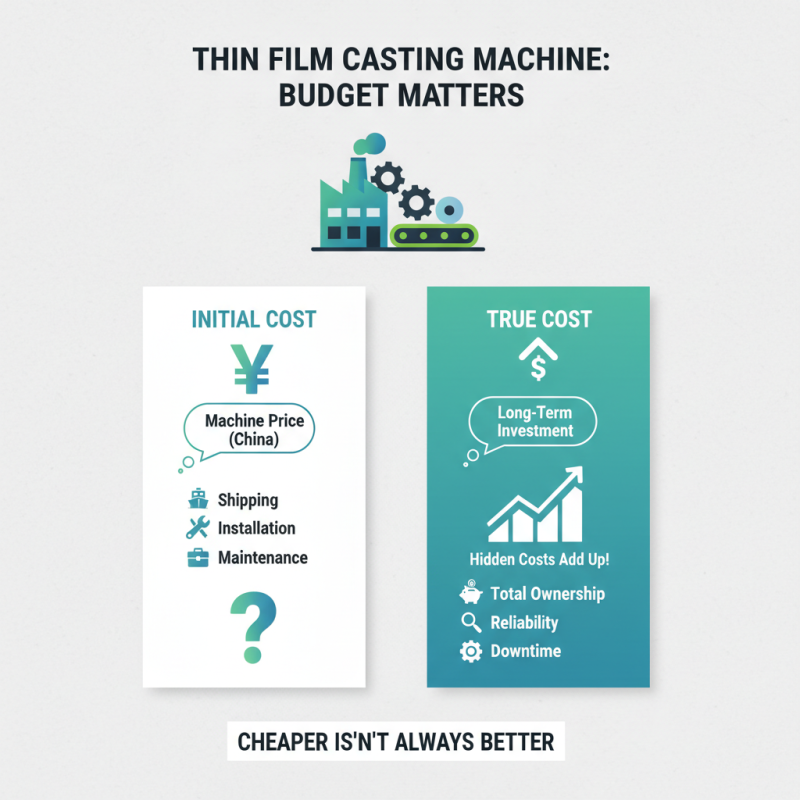
When considering a thin film casting machine, budget is crucial. Various factories in China offer different pricing models. It’s essential to evaluate what each model includes. Many machines may seem affordable initially, but hidden costs can add up. These include shipping, installation, and maintenance. Sometimes, a cheaper machine may end up costing more in the long run.
Another aspect to examine is the manufacturer’s reputation. A reliable Thin Film Casting Machine Manufacturer will provide not only quality products but also good after-sales support. Engage with previous customers to gauge their experiences. Some manufacturers may promise low prices but lack support. You don't want to be stuck with a machine and no help when issues arise.
Finally, think about your specific needs. Not every machine is suitable for all applications. A machine that fits your production line can save costs on materials and labor. Make a checklist of your requirements before making a decision. Reflect on your priorities, as they can greatly influence the cost efficiency of your purchase. Stay informed and thoughtful in your choice.
When choosing a thin film casting machine from a Chinese factory, supplier reputation is crucial. Industry reports indicate that 65% of manufacturers prioritize supplier trustworthiness. A solid reputation often correlates with quality. Look for suppliers with positive feedback to ensure a satisfactory purchase.
Customer feedback serves as a valuable resource. Check platforms like Alibaba or industry forums. Reviews can reveal hidden strengths or weaknesses in a supplier's equipment. A study shows that 70% of buyers consider reviews essential for decision-making. Pay attention to comments on after-sales service; it can indicate how a supplier handles issues.
**Tip:** Connect with previous buyers. Their first-hand experience may highlight details that online reviews may miss. This step can save you from costly mistakes.
**Tip:** Be cautious of suppliers with overly perfect feedback. A lack of negative reviews can be a red flag. Strive for balance in evaluations to avoid poor choices.
When selecting a thin film casting machine, after-sales support and maintenance services are crucial. A reliable service team can make a significant difference. It is essential to choose a manufacturer that offers comprehensive support. This ensures that all your queries and concerns will be addressed promptly.
Tips: Look for a factory that provides easy access to spare parts. Long lead times for replacement parts can cause unnecessary downtime. Additionally, check if the company offers training for your staff. Knowledgeable employees can operate machines more effectively, reducing error rates.
Consider that not all manufacturers provide the same level of support. Some may promise quick service but fail to deliver. It’s wise to research customer reviews about their after-sales experiences. This can help you avoid potential pitfalls. Establish clear communication with the factory about maintenance plans. Regular checks can prolong the machine's lifespan and prevent costly repairs.
: The product aims to improve daily efficiency and enhance user experience.
Follow the instructions carefully for optimal results. Misuse may lead to poor performance.
Most users can safely use it. However, some may experience side effects.
Yes, it is designed for multiple settings. Consider environmental conditions for best use.
Resolve common issues by checking the manual. If problems persist, contact support.
Regular cleaning is essential. Neglect may lead to malfunction or reduced effectiveness.
Lifespan varies by usage. High usage may result in quicker wear and tear.
Many sellers accept returns. Ensure you read the return policy before purchase.
Some products come with warranties. Verify the terms before making a commitment.
Assess your specific needs and intended use. Reflection on your requirements is important.
When selecting the best Thin Film Casting Machine from a Chinese factory, it is essential to understand their functionality and diverse applications in various industries. Key features such as automation, control systems, and material compatibility play a crucial role in determining the machine’s effectiveness. Additionally, evaluating production capacity, quality, and precision of casting processes is vital to ensure that the machine meets specific project requirements.
Cost analysis and budget considerations are necessary to maximize value for investment, while the reputation of suppliers and customer feedback can provide insights into reliability and service. Lastly, after-sales support and maintenance services offered by manufacturers can significantly impact long-term operational efficiency. By thoroughly assessing these factors, businesses can make informed decisions in choosing the ideal Thin Film Casting Machine for their manufacturing needs.