Leave Your Message
0%

When it comes to advanced manufacturing these days, picking the right Tape Casting machine is a pretty big deal. I came across a report from Smithers Pira that predicts the global market for tape casting tech will blow past $2 billion by 2025. That’s quite a jump, and honestly, it makes sense—more industries like ceramics, electronics, and pharma are craving really consistent, high-quality products. But, here’s the thing — choosing the right machine isn’t always clear-cut.

For example, a Large Production Tape Casting Machine can seriously boost your efficiency and output. Still, a lot of folks tend to overlook some key factors, like how big your production scale is or whether the machine plays nicely with your materials. It’s not just about splurging on the fanciest, most high-tech model out there. Your operational needs can vary a lot — from the types of substrates you're working with to the thickness you need. Plus, a report from Grand View Research points out that many companies struggle with optimizing their processes simply because they’re stuck with the wrong equipment.

So, investing in a tape casting machine isn’t something to rush into. You’ve really gotta think about both your current situation and where you’re headed. Things like after-sales support and options for upgrades often get neglected, but they matter a lot in the long run. Making the right choice can lead to better productivity and less waste—so, knowing exactly what you need is kind of the secret to getting the most out of your machine.
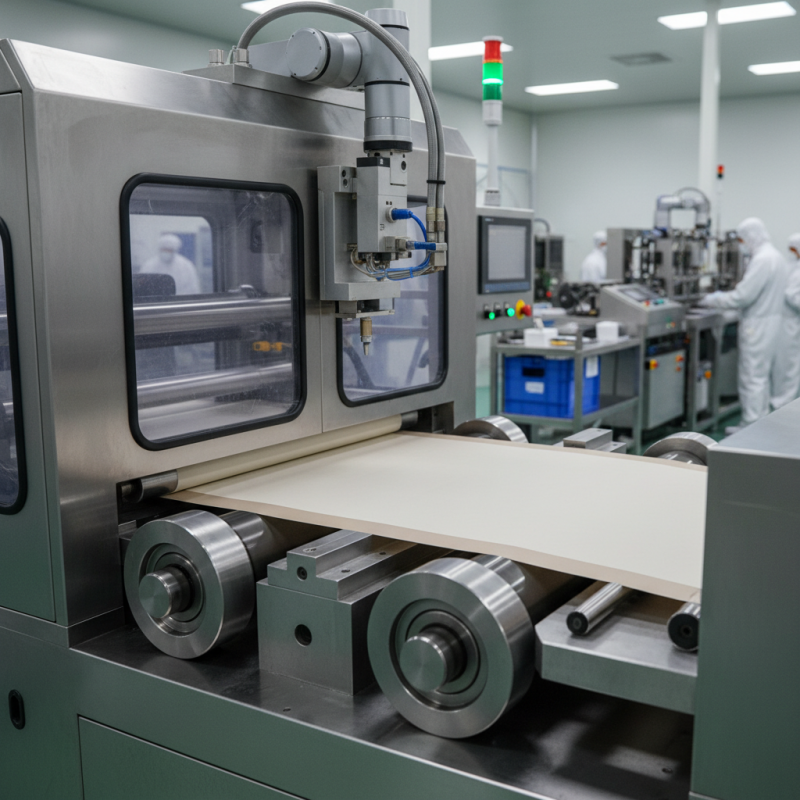
How to Choose the Best Tape Casting Machine for Your Needs?

Understanding the Basics of Tape Casting Technology

Tape casting technology is a widely used process. It creates thin films and tapes by distributing slurries onto substrates. The process involves several key steps. First, the slurry is prepared with specific materials. Then, it is applied evenly to a surface. This ensures uniform thickness and composition.

Choosing the right machine is crucial. A High Precision Tape Casting Machine can greatly enhance the quality of your end product. These machines offer greater control over thickness and uniformity. Using precise parameters helps reduce waste and improves efficiency. However, not everyone requires such high precision. Some might find a simpler model sufficient for their needs.

The right machine should match your production goals. Consider your desired output. Assess the type of materials you'll use too. Each application may demand different specifications. Reflecting on these factors is essential. Rushing into a decision can lead to issues later on. Take your time to evaluate all options carefully. Prioritize the features that truly matter to your process.

Identifying Your Production Requirements and Goals

Choosing the right tape casting machine involves a careful assessment of your production requirements and goals. Understanding your specific needs can directly impact your operational efficiency. According to industry reports, over 70% of manufacturers experience production delays due to equipment mismatches. It's essential to evaluate the materials you will use, as different machines handle different substances. For instance, ceramics and polymers may require varying thickness and drying speeds.

Production capacity is another critical factor. If your goal is to produce large quantities, consider machines with higher throughput. Data indicates that a well-matched machine can achieve a 30% increase in output. However, relying solely on capacity can lead to oversights in quality control. Balancing speed with precision is crucial. Inadequate attention to machine capabilities can result in frequent downtimes, costing both time and money.

Budget constraints often drive decisions, but they shouldn't solely dictate your choice. Investing in a reliable machine might have higher upfront costs but can reduce long-term maintenance expenses. Consider the total cost of ownership, which typically includes operational efficiency metrics. A machine that fails to meet evolving production goals may lead to additional investments or losses. Reflect on your future requirements; flexibility is key in this rapidly changing landscape.

How to Choose the Best Tape Casting Machine for Your Needs?

Dimension Value
Production Capacity 500 - 2000 kg/h
Max Tape Thickness 0.1 - 5 mm
Machine Dimensions 2000 x 1500 x 1800 mm
Power Requirement 15 kW
Control System PLC with Touch Screen
Material Compatibility Ceramics, Metals, Polymers
Operator Training Included
Warranty Period 1 Year

Evaluating Key Features of Tape Casting Machines

How to Choose the Best Tape Casting Machine for Your Needs?

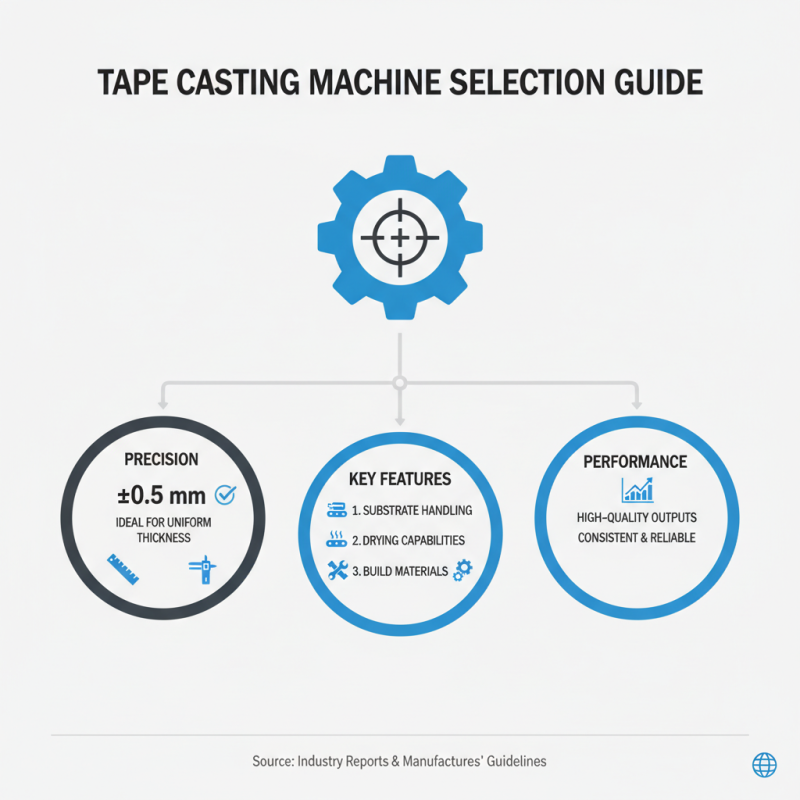
Choosing a tape casting machine requires attention to detail. Evaluating key features is essential for optimal performance. One critical aspect is the machine's precision. According to industry reports, machines with a precision tolerance of ±0.5 mm are ideal for high-quality outputs. Manufacturers emphasize the need for tight tolerances to ensure uniform thickness in tape production.

Another important feature is the coating width. Most machines cater to a width range of 100 mm to 1200 mm. This variance allows for flexibility in production. However, larger widths may lead to challenges in maintaining uniformity. Some machines have automated adjustments, but they can be expensive.

Speed is also a pivotal factor in selecting the right machine. Many modern machines can operate at speeds exceeding 3 meters per minute. Tape Casting Machine Manufacturers often highlight the balance between speed and quality. High speeds may decrease accuracy, so it's vital to find a balance. Users often overlook the implications of these choices, leading to potential delays in output or quality issues in the final product. Each feature impacts the overall functionality, and understanding these nuances is crucial for a successful investment.

Comparing Different Types of Tape Casting Machines

When selecting a tape casting machine, it’s essential to compare different types. Each model serves specific needs. For example, a Small Scale Tape Casting Machine is ideal for startups and small projects. These machines typically have a compact design and are easier to operate. They offer flexibility for various materials and thicknesses. Many users appreciate their affordability and efficiency, making them a practical choice.

On the other hand, larger tape casting machines cater to high-volume production. These machines can handle larger batches and often come with advanced features. However, they might be overwhelming for smaller operations. Users need to consider space, budget, and production goals. If you have a limited workspace, a smaller model might be more practical. But large machines often promise faster output, which can be tempting.

Choosing the right machine involves weighing pros and cons. Potential users may overlook the cost of maintenance for larger machines. A small model might require more frequent adjustments but less upfront investment. It’s crucial to assess your specific requirements. Understanding what your business truly needs can make this decision smoother.

Assessing Manufacturer Reputation and Support Services

How to Choose the Best Tape Casting Machine for Your Needs?

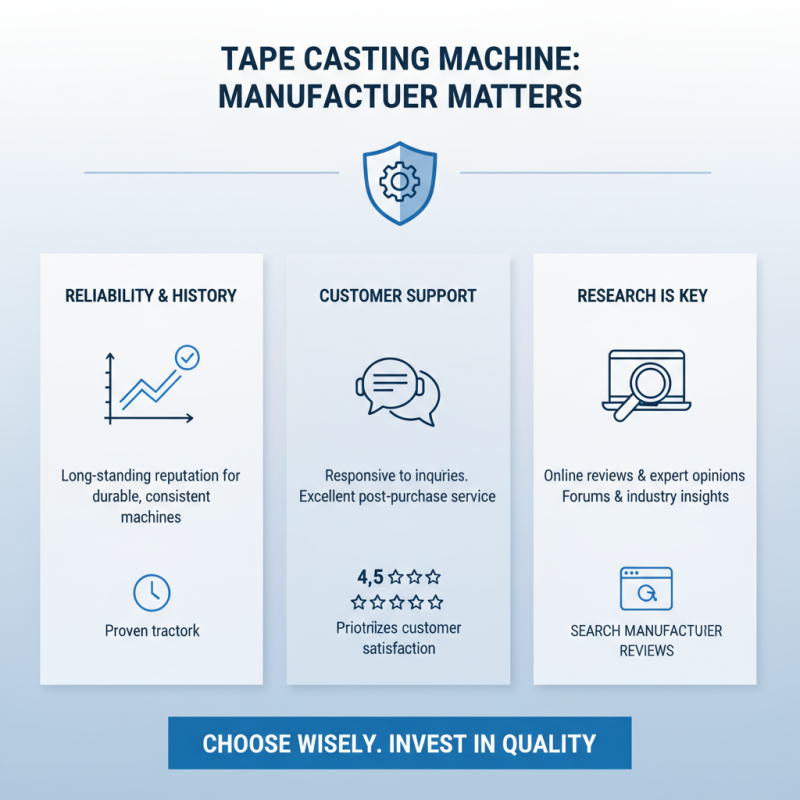
When selecting a tape casting machine, the manufacturer’s reputation is paramount. Not all manufacturers are equal. Some have long-standing histories of reliability, while others may lack consistent support. A quick online search can provide insights into customer reviews and expert opinions. Look for companies that prioritize customer service and are responsive to inquiries.

Consider the support services that come with the machine. Technical support is crucial, especially during initial setup. Some manufacturers offer extensive training programs. This can make a huge difference in efficiency. It's essential to assess how accessible these services are. A responsive manufacturer can provide peace of mind.

Tips: Evaluate online testimonials. Reach out to current users for their experiences. A user’s perspective often highlights real issues or benefits. It’s a deeper look beyond the company’s website. Remember, the right Steel Belt Tape Casting Machine can enhance production quality and consistency, but the backing you receive is equally important. Always weigh both elements before making a decision.

Analyzing Cost vs. Performance in Tape Casting Machines

When considering tape casting machines, understanding the balance between cost and performance is crucial. A recent industry report indicated that the cost-performance ratio is a vital factor in selecting equipment. For instance, machines in the mid-range price bracket often deliver performance comparable to higher-end models but at a lower investment cost. This can be particularly advantageous for small to medium-sized enterprises looking to optimize budgets without sacrificing quality.

Tips: Evaluate how often you plan to use the machine. If usage is limited, investing heavily may not be wise. Maintenance costs are also key—cheaper machines may incur higher upkeep expenses over time.

Performance metrics should not be overlooked. The thickness consistency, material flow, and speed of production are essential. Poor flow can lead to defects, requiring rework and additional costs. A detailed analysis of past performance data can help in making informed decisions, yet relying solely on numbers can be misleading. User feedback is equally important.

Tips: Ask current users about their experiences. Their insights may highlight potential challenges you might face. Investing in thorough research can prevent costly mistakes down the road.

Making an Informed Purchasing Decision and Installation Tips

Choosing the right tape casting machine can be challenging. You should first consider your specific needs. What materials will you be using? How thick will the tape be? These questions guide you toward the machine that fits best.

Installation is equally important. You should read the manual carefully. Sometimes, it may not be as straightforward as it seems. Ensure the machine is leveled properly. An unlevel surface can lead to uneven tape thickness, resulting in waste. It’s also wise to check the power requirements. A mismatch could lead to issues during operation.

Don’t forget about maintenance needs. Some machines require regular cleaning and calibration. Think about the time and effort you’re willing to invest. Neglecting maintenance can decrease the machine's lifespan. Reflect on how much downtime you can afford. Making an informed choice now can save you future headaches.

FAQS

: What is the main focus of the article?

: The article discusses various aspects of wellness and health practices.

How can one improve mental health?

Practicing mindfulness and ensuring balanced social interactions can help.

Is physical exercise important?

Yes, regular physical activity boosts mood and reduces stress levels significantly.

What role does diet play in health?

A balanced diet provides essential nutrients and supports overall well-being.

Can hobbies improve quality of life?

Engaging in hobbies fosters creativity and can serve as a stress reliever.

How often should one practice self-care?

Ideally, self-care should be a daily practice to maintain balance and health.

What are some common barriers to wellness?

Time constraints, lack of motivation, and stress can hinder wellness efforts.

How can one build healthy habits?

Start small and gradually incorporate new habits into daily routines.

Is it okay to seek professional help?

Absolutely, seeking help is a positive step toward better mental health.

What should one reflect on regarding wellness?

It's important to consider personal progress and areas that need improvement.

Conclusion

Choosing the best Tape Casting Machine requires a comprehensive understanding of the technology and its applications. Start by grasping the fundamental principles of tape casting, which involves forming thin, uniform layers of material on a substrate. Identify your specific production requirements, such as volume, material types, and desired thickness, to align the machine’s capabilities with your goals.

Next, evaluate key features, such as versatility, automation, and ease of use, while comparing various types of machines based on their design and functionality. Assess the reputation of manufacturers and their support services, ensuring a reliable source for maintenance and assistance. Additionally, analyze the cost versus performance to determine the best value for your investment. This thorough approach will guide you in making an informed purchasing decision for a Tape Casting Machine that fits your needs and optimizes your production process.

Ariana

Ariana

Ariana is a dedicated marketing professional at Zhejiang Delong Technology Co., Ltd., where she brings a wealth of expertise in the technology sector. With a deep understanding of the company's products, she plays a pivotal role in shaping the company's online presence through meticulously crafted......
Previous Navigating Global Import Compliance for Dron Technology Solutions