Leave Your Message
0%

Picking out the right Lamination Machine for your needs isn’t just a detail—it’s actually pretty important if you want your printed stuff to look good and last longer. I came across a recent report from Grand View Research, and it says the global market for lamination machines is gonna hit around $2.5 billion by 2027. That’s mainly because more industries are jumping on the packaging bandwagon. If you choose the right machine, you’re not just protecting your documents and images—you’re also boosting your professional look. Honestly, it’s one of those investments that can really pay off.

John Smith, an industry pro who knows his way around laminating tech, puts it simply: “The way you laminate can make a huge difference—not just in how long your materials hold up, but also in how people see your brand.” As more businesses start to see the value of good quality lamination, it’s super important to understand what features and specs are out there. Taking the time to consider what you really need can help you find a machine that’s perfect for your workflow. In the end, that choice can boost your efficiency and help your business succeed overall.
How to Choose the Best Lamination Machine for Your Needs

Understanding the Different Types of Lamination Machines

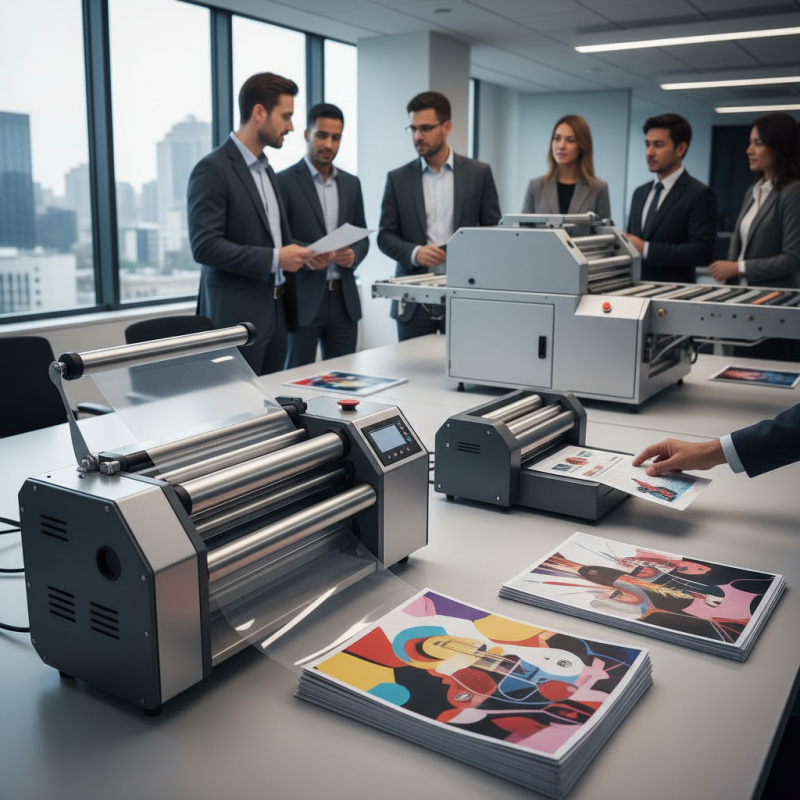
When selecting a lamination machine, understanding the different types available is crucial to meeting your specific needs. The two primary categories of lamination machines are pouch laminators and roll laminators. Pouch laminators are ideal for small-scale operations and are perfect for personal and office use. They require special lamination pouches and are known for their ease of use and affordability. According to a recent industry report, the demand for pouch laminators has seen a significant surge, with a growth rate of approximately 5.7% annually in the office equipment sector due to their convenience and versatility.

On the other hand, roll laminators are designed for larger-scale projects and commercial applications. They use a continuous roll of laminate film, making them suitable for high-volume tasks such as laminating posters, banners, and other oversized materials. Data from industry analyses indicate that roll laminators are projected to dominate the market with an expected CAGR of 6.2% over the next five years, driven by their efficiency and ability to handle thicker materials. Understanding these distinctions is essential for businesses and individuals seeking to invest in a lamination machine that aligns perfectly with their operational needs and output requirements.

Comparison of Different Types of Lamination Machines

Key Factors to Consider When Choosing a Lamination Machine

When selecting a lamination machine, several key factors should guide your decision-making process. First and foremost, consider the type of lamination you need, whether it's cold or hot lamination. Hot lamination is ideal for documents that require a high level of durability and a professional finish, while cold lamination is suitable for sensitive materials that can’t withstand heat. Assess the materials you intend to laminate, as different machines cater to various thicknesses and types of laminating pouches.

Another crucial factor is the size and capacity of the machine. Evaluate the size of the documents you usually work with and ensure the machine can accommodate them. Some machines are designed for standard letter-sized documents, while others can handle larger formats. Additionally, the speed and efficiency of the lamination process can significantly impact your workflow, especially in a business environment where time is money. Finally, consider the features and ease of use, such as adjustable temperature settings, automatic shut-off for safety, and functionality that suits your specific needs. By weighing these factors, you can choose a lamination machine that aligns perfectly with your requirements.

Assessing the Thickness and Size of Materials for Lamination

How to Choose the Best Lamination Machine for Your Needs

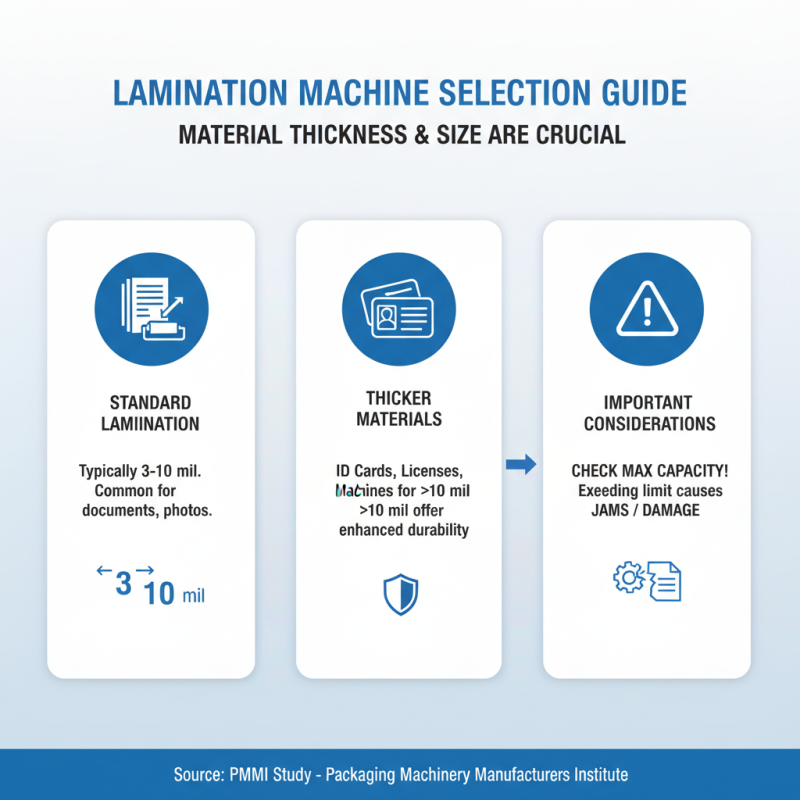
When selecting a lamination machine, understanding the thickness and size of the materials you intend to laminate is crucial. Most lamination machines can handle specific thicknesses, typically ranging from 3 mil to 10 mil for standard thermal lamination. A study from the Packaging Machinery Manufacturers Institute (PMMI) indicates that machines designed for thicker materials often provide better durability and protection, making them ideal for items like ID cards and licenses. It’s essential to assess the maximum thickness your machine can accommodate, as exceeding this limit could lead to jams or damage.

Additionally, the size of the materials plays a significant role in determining the suitability of a laminating machine. Common sizes range from letter-size (8.5 x 11 inches) to larger formats suitable for posters and brochures. According to a market analysis by Smithers Pira, the demand for large-format lamination is increasing, driven by the growth in digital printing and signage applications. Thus, if you deal primarily with larger sizes, opting for a machine with an adjustable feed system and a wider entry will enhance productivity and efficiency, allowing for seamless processing of various document sizes without compromising quality.

Evaluating Lamination Speed and Efficiency Requirements

When selecting the best lamination machine, understanding lamination speed and efficiency requirements is crucial for maximizing productivity. According to industry reports, modern lamination machines can operate at speeds ranging from 2 to 15 meters per minute, depending on their design and intended use. For environments that require a high volume of laminated materials, such as print shops or schools, investing in a higher-speed machine can significantly reduce turnaround times and decrease labor costs. Machines that operate at higher speeds often feature advanced technologies such as temperature controls and pressure adjustments, allowing for more consistent results across various types of laminate films.

Efficiency is not solely about speed; it also encompasses power consumption and the ability to handle different sheet sizes and materials without compromising quality. A recent market analysis indicated that energy-efficient models can reduce operational costs by up to 30%, making them a sensible choice for organizations looking to optimize both performance and budget. Additionally, machines that offer versatility in laminating options—such as both hot and cold lamination—can cater to diverse projects, enhancing overall workflow efficiency. It is essential for buyers to evaluate these aspects carefully, as they play a significant role in long-term satisfaction and productivity outcomes.

Identifying the Features and Functions of Lamination Machines

When selecting the best lamination machine for your needs, it is essential to identify the key features and functions that can enhance your experience. One of the primary considerations is the type of lamination process you require, which can include thermal and cold lamination. Thermal laminators use heat to seal the laminate around your documents, providing a durable and glossy finish, whereas cold laminators bond without heat, ideal for heat-sensitive materials. Knowing the specific processes and their applications will help narrow down your options.

Additionally, pay attention to the machine’s capacity and size. Depending on the volume of lamination you anticipate, the machine should accommodate various document sizes, from standard letter to oversize formats. Features such as adjustable temperature settings and speed controls can significantly impact the quality and efficiency of the lamination process.

Moreover, consider safety features and ease of use, such as automatic shut-off functions and simple threading mechanisms, which can make the operation more user-friendly, especially for those new to lamination. Understanding these features will guide you in choosing a machine that meets your unique requirements and produces the best results for your projects.

Budget Considerations: Finding the Right Lamination Machine for You

When considering a lamination machine, budget plays a crucial role in determining the right choice for your needs. It's essential to assess the scale of your lamination projects. For occasional use, a lower-priced model may suffice, offering basic features. However, if you need a machine for frequent, high-volume tasks, investing in a more robust and durable model could be a wiser long-term decision. This way, you’ll ensure that the machine can handle repetitive use while delivering high-quality results.

In addition to the initial purchase price, factor in the ongoing costs associated with maintenance and supplies. Some laminating machines require specific types of pouches or films, which can add to operational costs over time. Evaluate these expenses alongside your budget to avoid overspending. Also, consider any optional features that might enhance usability, like adjustable temperature settings or speed controls, which can influence the machine’s overall efficiency. By carefully weighing these considerations, you’ll be better equipped to choose a lamination machine that meets your operational needs without straining your finances.

Reading Reviews and Comparing Brands for Informed Decision-Making

When selecting the best lamination machine for your needs, reading reviews is a crucial step in making an informed decision. Reviews provide insights from users who have firsthand experience with different machines. They often highlight features that may not be obvious from product descriptions, such as ease of use, effectiveness for various materials, and overall durability. Look for detailed reviews that explain the pros and cons of each model, focusing on usability in your specific context, whether it's for home, office, or professional use.

Comparing brands is another important aspect of choosing the right lamination machine. Each brand typically has its strengths and weaknesses, and customer feedback can reveal which brands excel in reliability and customer service. Pay attention to the frequency of positive and negative comments regarding specific models and consider the overall reputation of the brands. This comparative analysis not only helps in identifying the best fit for your requirements but also ensures that you invest in a product that offers good value for your money.

By synthesizing information from reviews and comparisons, you can make a well-rounded decision that meets your lamination needs.

Unlocking Innovative Manufacturing: The Role of ME-series Large-Scale Tape Casting Machine in Modern Production

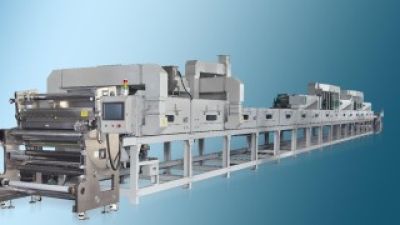
In the realm of modern production, the demand for high-quality manufacturing techniques has never been greater. One of the pivotal innovations driving efficiency and output in this sector is the ME-series large-scale Tape Casting Machine. This fully automatic system is designed to meet the highest production standards, making it an essential asset for manufacturers seeking to elevate their operations. By automating the tape casting process, it not only enhances productivity but also ensures consistency in quality, which is crucial in maintaining competitive advantages in a fast-paced market.

The ME-series machine excels in its capability to produce large volumes of high-fidelity tapes, catering to various industries that require precision and reliability. Its advanced technology allows for seamless integration into existing production lines, facilitating a smoother workflow and reducing downtime. With the pressing need for sustainable manufacturing practices, this large-scale tape caster stands out by optimizing material use and minimizing waste, thereby aligning with eco-friendly initiatives. Embracing such innovative solutions ultimately transforms the manufacturing landscape, enabling businesses to thrive while addressing the challenges of modern production demands.

FAQS

: What are the main types of lamination machines?

: The two primary types of lamination machines are pouch laminators and roll laminators. Pouch laminators are suitable for small-scale operations, while roll laminators are designed for larger-scale projects and commercial applications.

What is the difference between pouch laminators and roll laminators?

Pouch laminators use special lamination pouches and are ideal for personal or office use, offering ease of use and affordability. Roll laminators, on the other hand, use a continuous roll of laminate film, making them more suitable for high-volume tasks such as laminating large formats like posters and banners.

What types of lamination processes do machines typically use?

Lamination machines generally use thermal laminating, which seals the laminate around documents using heat, and cold laminating, which bonds materials without heat, making it suitable for heat-sensitive items.

How do I know what features to consider when choosing a lamination machine?

Consider key features like the type of lamination process, machine capacity, and size, as well as adjustable temperature settings, speed controls, safety features, and ease of use to enhance the overall experience.

How can I determine my budget for a lamination machine?

Assess the scale of your lamination projects to determine whether a lower-priced model suffices for occasional use or if investing in a more robust machine is necessary for frequent, high-volume tasks.

Are there ongoing costs associated with using a lamination machine?

Yes, in addition to the initial purchase price, consider ongoing costs for maintenance and supplies, such as specific types of pouches or films that the machine may require, as these can add to operational expenses over time.

What should I consider for high-volume lamination tasks?

For high-volume tasks, look for machines that offer durability, efficient performance, adjustable temperature settings, and speed controls to ensure they can handle repetitive use effectively.

What safety features should I look for in a lamination machine?

Look for safety features such as automatic shut-off functions and simple threading mechanisms to enhance usability and reduce the risk of accidents, especially for beginners.

Can lamination machines handle different document sizes?

Yes, when selecting a machine, ensure it accommodates various document sizes, from standard letter to oversized formats, depending on your specific lamination requirements.

Conclusion

When selecting the best lamination machine for your needs, it's essential to understand the various types of machines available. Each type has unique features suited for different tasks, so identifying your specific requirements is crucial. Key factors to consider include the thickness and size of the materials you plan to laminate, as these will influence the choice of machine. Additionally, evaluating the lamination speed and efficiency is important, especially for high-volume projects.

Budget considerations play a significant role in your decision-making process. By assessing your financial constraints, you can narrow down options that balance cost and functionality. It's also beneficial to read reviews and compare different models to make an informed choice. Ultimately, selecting the right lamination machine involves a careful evaluation of these aspects to ensure it meets your operational needs effectively.

Liam

Liam

Liam is a dedicated marketing professional at Zhejiang Delong Technology Co., Ltd., where his expertise significantly contributes to the company's growth and presence in the technology sector. With a deep understanding of the company’s innovative products and solutions, Liam regularly updates the......
Previous Navigating Global Import Compliance for Dron Technology Solutions