Leave Your Message
In today’s fast-moving manufacturing world, everyone’s on the lookout for ways to boost production efficiency and stay ahead of the game. One cool thing that's been getting a lot of attention lately is the Polymer Tape Casting Machine. It’s a game-changer when it comes to making top-quality polymer films and tapes. Recently, an industry report mentioned that the global tape casting market is expected to grow at around 6.5% annually from 2023 to 2030 — all thanks to the rising demand for lightweight, tough materials in tech, auto, and other sectors. Here at Zhejiang Dron Technology Co., Ltd., which we’ve been proudly running since 2004, we really focus on mixing the latest tech with solid design and manufacturing skills. As a high-tech enterprise, we're all about delivering advanced equipment like our Polymer Tape Casting Machine that’s tailored to meet what’s next for our customers. The goal? Helping them get more done, more efficiently, and stay competitive in this fast-changing landscape.
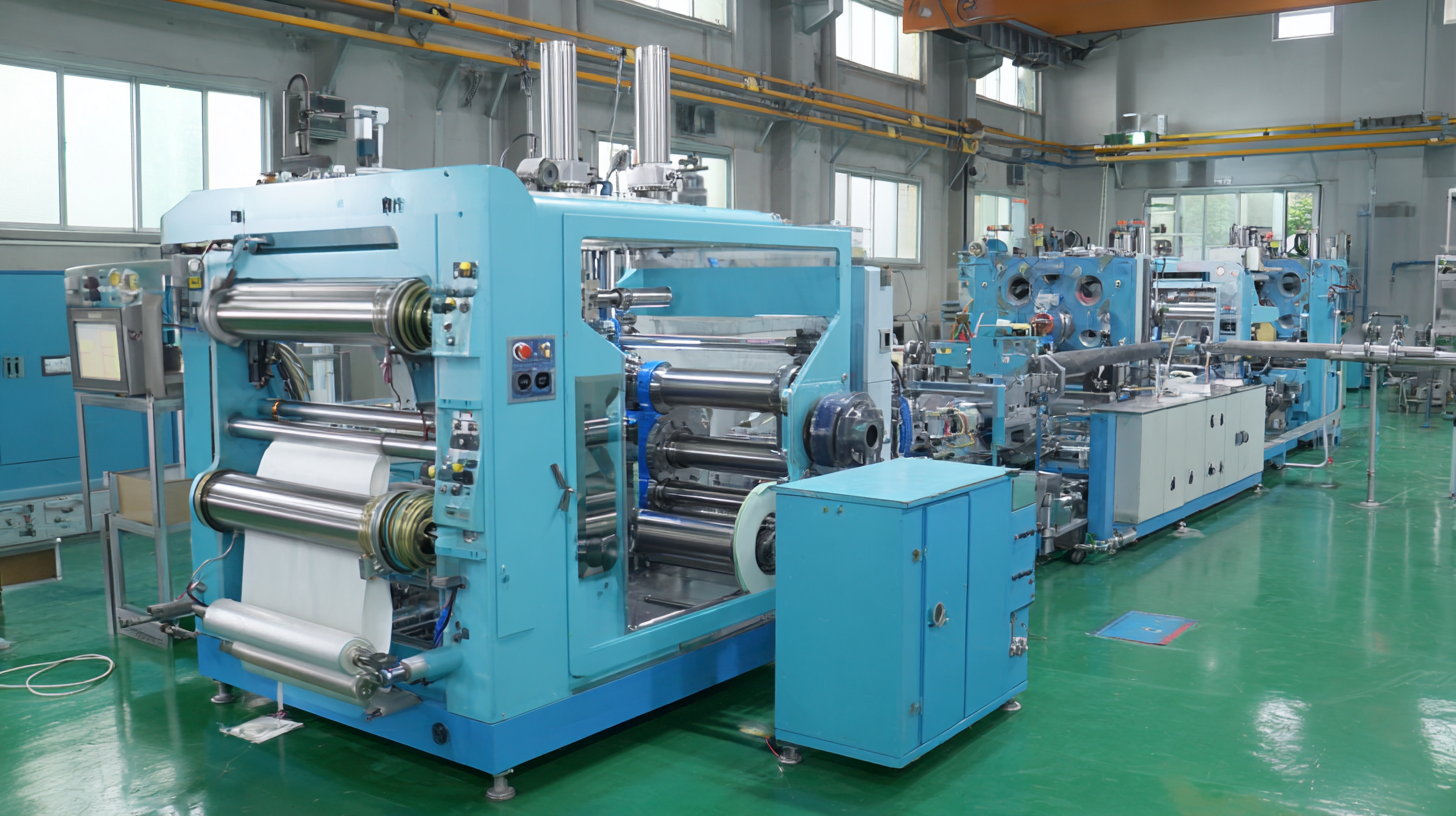
Polymer tape casting is really a game-changer in how many industries, especially electronics and materials science, get their stuff done more efficiently. Basically, it’s about making super-thin, uniform polymer films that can be turned into all sorts of finished products. According to some report I came across from MarketsandMarkets, globally, the market for polymer films is expected to hit around $97.6 billion by 2025, growing at roughly 6.7% per year. That kind of growth really highlights how crucial efficient manufacturing methods like tape casting are to keep up with the rising demand.
What really matters in polymer tape casting is having tight control over things like the viscosity of the material and its thickness. When manufacturers get these just right, they can cut down on waste and save a ton of energy. A recent study from Grand View Research even pointed out that using precision casting techniques can bump up production efficiency by as much as 30%. That’s a big win, not just financially, but also for the environment. As more industries look for sustainable options, adopting polymer tape casting is becoming pretty much essential if they want to stay competitive and be eco-friendly at the same time.
Maximize Your Efficiency: Exploring the Benefits of High-Quality Ball Mill Machines for Superior Grinding Performance
When it comes to industrial grinding, the quality of equipment plays a pivotal role in performance and productivity. High-quality ball mill machines are designed to maximize efficiency, leveraging innovative technology to enhance grinding processes. According to a recent industry report by Mordor Intelligence, the global ball mill market is expected to reach a value of over $4 billion by 2026, driven by the growing demand for efficient grinding solutions in sectors like mining, cement production, and pharmaceuticals.
Our High-Quality Ball Mill Machine stands at the forefront of this trend, offering exceptional energy-saving capabilities while being versatile enough for various applications. This equipment is constructed from premium materials, ensuring a long operational lifespan and reliable performance even under the most challenging conditions. The advanced design focuses on optimizing grinding speed and minimizing energy consumption, resulting in reduced operational costs. Reports also indicate that energy-efficient grinding technologies can enhance production efficiency by up to 30%, making our ball mill an ideal investment for businesses aiming to streamline their processes.
Furthermore, the incorporation of an advanced automation control system simplifies operation and maintenance, reducing downtime and enhancing overall productivity. With low maintenance costs and user-friendly interfaces, our ball mill machines represent a smart solution for industries seeking to improve their grinding performance and lower operational expenses. Adopting such high-quality machinery can significantly contribute to achieving business objectives and staying competitive in a rapidly evolving market.
: Key features include the ability to maintain uniform thickness (±0.05mm tolerances), automation capabilities that increase production speed by up to 30%, real-time monitoring systems for optimal conditions, and energy-efficient technologies that can save up to 40% in energy usage.
Variations as small as 0.1mm can significantly impact the final product quality, leading to rework and increased costs. Hence, precise thickness control is essential.
Essential maintenance practices include regular inspections of casting plates and rollers, monitoring temperature settings, adhering to lubrication specifications, and implementing a routine cleaning schedule to eliminate contaminants.
Regular maintenance can increase machine efficiency by up to 25% as it reduces downtime and improves operational consistency, ensuring smoother production processes.
Proper lubrication reduces friction, thereby enhancing machine performance by as much as 15%. Operators should follow manufacturer specifications for lubrication intervals and types.
Real-time monitoring systems help track machine performance, allowing manufacturers to identify and address bottlenecks and inefficiencies promptly, ensuring consistent output.
Innovative practices include utilizing real-time monitoring, optimizing machine setup, providing regular operator training, and incorporating preventive maintenance schedules to reduce downtime.
Regular training ensures operators are familiar with the latest techniques and technologies, which can enhance efficiency and reduce the risk of errors during production.
Overheating can severely impact both the machine's lifespan and the quality of the polymer tape produced, making temperature monitoring a critical maintenance task.
Energy-efficient technologies can lead to potential energy savings of up to 40%, making the machines more cost-effective and environmentally sustainable.
In today’s super competitive manufacturing world, boosting your production efficiency isn’t just a nice-to-have — it’s pretty much essential. And honestly, a Polymer Tape Casting Machine can be a game-changer when it comes to hitting those efficiency goals. Knowing the basics of polymer tape casting technology is really important because it sets the stage for doing things better and faster. Features like precise control and the ability to scale up can make a big difference, helping to smooth out the whole production process. To really make the most of it, manufacturers should try things like fine-tuning their parameters and setting up automated controls — simple steps, but they make a big difference.
That said, no process is perfect. Sometimes you’ll run into issues like material inconsistencies or equipment wearing out, which can slow things down. So, being proactive with targeted solutions is key to keeping everything running smoothly. Plus, regular maintenance isn’t just about fixing stuff — it actually helps your machine last longer and keeps performance steady. Embracing new tech, like real-time monitoring and making on-the-fly adjustments, can push your output even further and boost overall efficiency. At Zhejiang Dron Technology Co., Ltd., we’re dedicated to offering top-notch equipment that helps manufacturers stay ahead — because staying efficient isn’t just a goal; it’s a necessity these days.