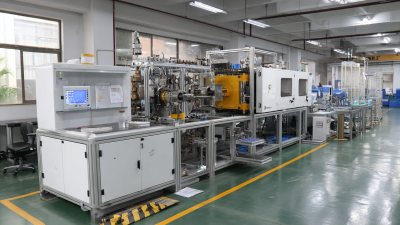
As we get closer to 2025, the drone industry is really gearing up for some groundbreaking innovations that could totally change how we experience digital stuff across all sorts of sectors. I mean, according to a report from the International Data Corporation (IDC), worldwide spending on drone tech is expected to hit over $8 billion by 2024, growing at around 14.4% each year. It’s pretty amazing to see how dependence on drones is skyrocketing—from aerial surveys and logistics to farming and beyond. One company that’s been in the game since 2004 is Zhejiang Dron Technology Co., Ltd. They’re really at the cutting edge, handling everything from development and design to research, production, and sales — basically offering high-tech equipment tailored for all kinds of uses.
Industry expert Dr. Emily Zhang, who’s quite a respected voice in drone tech, puts it pretty simply: "The next big wave of drone innovations is gonna change how we see and interact with our environment." Her thoughts just show how important it is for companies to keep up and stay innovative because the future’s looking bright, and these new drone techs are set to boost both user experience and how efficiently businesses can operate. As we peek into what the top 10 drone innovations for 2025 might look like, it’s clear that those who jump on these tech trends are in for an exciting ride.
As we look towards 2025, the landscape of drone technology is set to transform dramatically, driven by revolutionary innovations that enhance digital experiences across various industries. A report by Gartner forecasts that by 2025, 75% of organizations will be using drones for operational purposes, highlighting the shift towards automation and data collection. The integration of AI and machine learning will lead to smarter drones capable of real-time data analysis, enabling businesses to optimize operations and improve decision-making processes.
Tips for businesses looking to adopt drone technology include starting small with pilot projects to evaluate effectiveness before full-scale implementation. Additionally, leveraging cloud-based solutions can enhance data management and accessibility, facilitating seamless integration into existing workflows. As regulations evolve, staying informed about compliance requirements is crucial for a successful drone deployment strategy.
Moreover, the advent of 5G technology is expected to provide the bandwidth necessary for real-time drone operations and high-definition video streaming, significantly enhancing remote monitoring capabilities. According to industry research from Deloitte, the drone market is projected to reach $43 billion by 2025, underlining the economic potential of these advanced technologies. Embracing these innovations will not only streamline operations but also deliver exceptional digital experiences, paving the way for a new era in automation and connectivity.
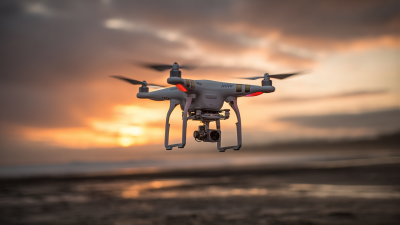
The rapid evolution of drone technology is set to enhance user interaction and experiences significantly in 2025. Noteworthy innovations include the introduction of advanced aerial systems, exemplified by the latest camera drones featuring improved stabilization and intelligent control. These aerial systems allow for smoother footage and user-friendly interfaces, making drone operation more accessible to enthusiasts and professionals alike. With AI integration, the next generation of drones promises a more responsive and intuitive interaction paradigm, enabling users to harness the full potential of these devices with ease.
Moreover, developments in software solutions are paving the way for managing numerous drones through singular interfaces, transforming operational capabilities. This is particularly relevant for industries that require coordinated aerial surveillance and data collection. As organizations leverage these technologies, we can anticipate an elevation in both the functionality and the overall user experience, allowing users to enjoy seamless interactions with enhanced drone capabilities. The future of drones, underpinned by cutting-edge technology and user-centered design, is poised to redefine what users can expect from their aerial experiences.
The integration of artificial intelligence (AI) is revolutionizing drone navigation and data collection, paving the way for more sophisticated and efficient aerial technologies. AI algorithms enhance a drone's ability to interpret vast amounts of data in real time, allowing for advanced obstacle detection and avoidance. This capability not only improves the safety of drone operations but also enables them to function effectively in complex environments, such as urban landscapes or during emergency responses.
Moreover, AI-driven drones are capable of performing autonomous missions, which significantly reduces the need for human intervention. They can adapt their flight paths based on environmental changes, optimize their routes in real-time, and prioritize data collection tasks based on predefined parameters. This level of autonomy, combined with machine learning techniques, allows drones to gather and analyze data with unprecedented accuracy and speed, making them invaluable tools in sectors such as agriculture, logistics, and surveillance.
As we approach 2025, the influence of AI on drone technology is expected to expand further, transforming not just how drones operate, but also how industries leverage aerial data for improved decision-making and efficiency.
The drone industry is on the verge of an eco-friendly revolution as sustainable innovations take center stage in design and functionality. A 2023 report from the Global Drone Market estimates that by 2025, over 50% of new drone models will incorporate renewable materials, reflecting a significant shift towards environmental responsibility. Manufacturers are increasingly opting for biodegradable composites and lightweight materials, which not only reduce carbon footprints during production but also enhance fuel efficiency during operations.
In addition to material improvements, advancements in energy sources are paving the way for greener drone technologies. According to a 2022 study by the International Energy Agency, electric drones powered by renewable energy like solar or wind are expected to dominate the market within the next two years, with projections indicating a potential reduction in emissions by up to 70%. These innovations not only promise to enhance the performance and usability of drones in various sectors, such as agriculture and logistics but also align with global efforts to combat climate change. As the industry embraces sustainability, the future of drones is poised to deliver both exceptional digital experiences and eco-friendly solutions.
In 2025, drones are set to revolutionize various industries through innovative applications that enhance efficiency and effectiveness. In logistics, for instance, drone delivery services will streamline the supply chain, reducing delivery times and minimizing human error. Companies are investing in autonomous drones capable of navigating complex urban environments, ensuring quicker fulfillment of orders and reaching remote locations that conventional delivery methods struggle with.
Healthcare is another sector where drone technology is making significant strides. Emergency medical services are increasingly deploying drones to transport essential supplies, such as blood and medication, to hard-to-reach areas during critical situations. In addition, drones equipped with advanced imaging capabilities will aid in telemedicine by providing real-time visuals of on-site conditions, assisting healthcare professionals in making informed decisions faster. These use cases highlight how drones are not only enhancing operational capabilities but also improving overall service delivery across industries in 2025.
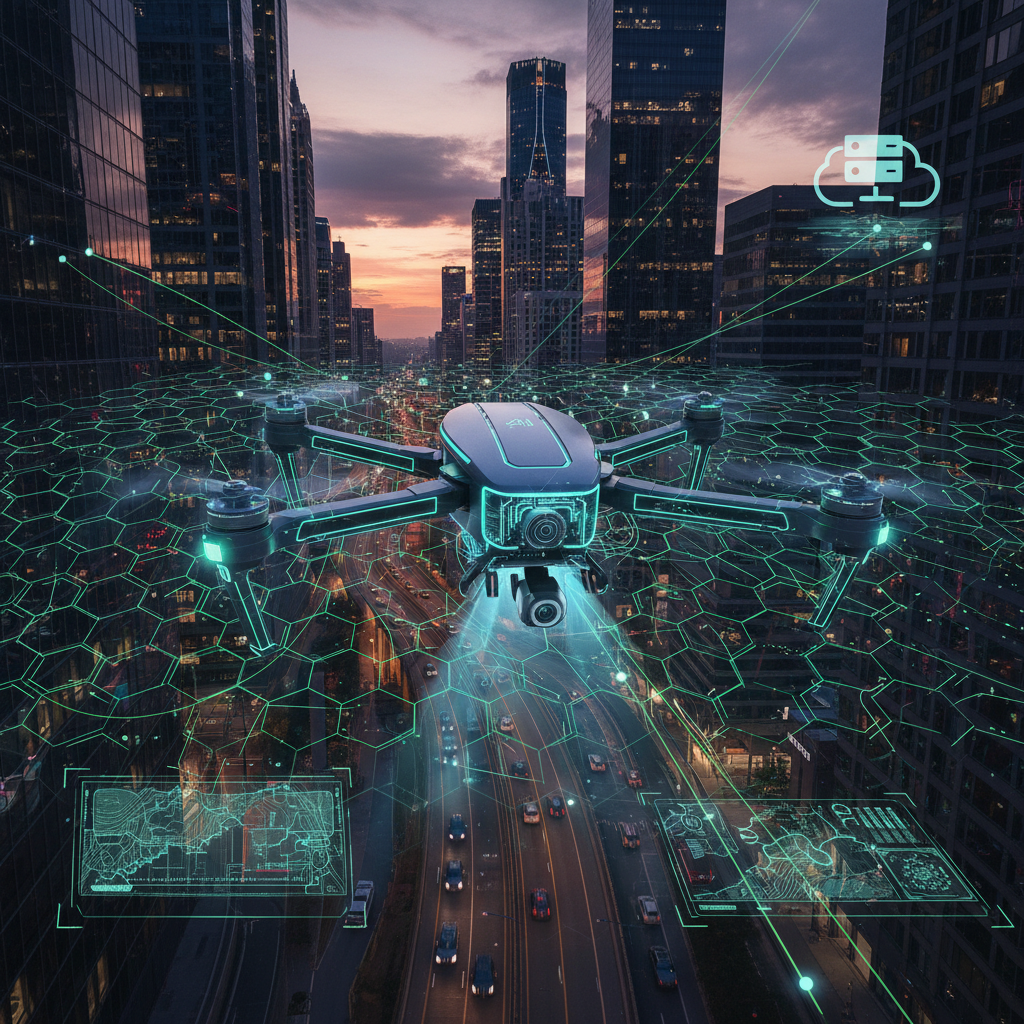
The integration of drones within smart cities represents a transformative shift in urban connectivity and efficiency. As technology advances, drones are poised to enhance real-time data collection, enabling cities to respond dynamically to the needs of their inhabitants. By utilizing drones equipped with sensors, municipalities can monitor traffic patterns, air quality, and energy consumption, fostering a more sustainable environment. This data-driven approach empowers city planners to make informed decisions, leading to improved infrastructure and public services.
Moreover, the synergy between drones and smart city frameworks facilitates innovative solutions in various sectors, including healthcare and logistics. Drones can enable swift delivery of medical supplies to remote areas, ensuring timely assistance in emergencies. In logistics, they streamline package deliveries, reducing traffic congestion and emissions associated with traditional transport methods. By integrating drones into the urban landscape, cities can cultivate a more connected, efficient, and resilient future, ultimately enhancing the quality of life for their residents.
I changing drone navigation?
Autonomous missions reduce the need for human intervention, allow drones to adapt flight paths based on environmental changes, optimize routes in real-time, and prioritize data collection tasks.
AI-driven drones are proving invaluable in sectors such as agriculture, logistics, and surveillance due to their accuracy and speed in data gathering and analysis.
Manufacturers are increasingly using biodegradable composites and lightweight materials to reduce carbon footprints and enhance fuel efficiency in drone operations.
Advancements in energy sources are leading to the dominance of electric drones powered by renewable energy such as solar or wind, which are expected to significantly lower emissions.
By 2025, it is estimated that over 50% of new drone models will incorporate renewable materials, signaling a shift towards environmental responsibility in the drone industry.
These innovations help reduce carbon emissions during production and operations, aligning with global efforts to combat climate change and promoting eco-friendly solutions in various sectors.
Real-time data processing allows drones to analyze data with unprecedented accuracy and speed, which is essential for effective decision-making and operational efficiency.
Machine learning enables drones to adapt their performance and improve their operational capabilities, enhancing their ability to gather and analyze data accurately.
The combination of AI and sustainable practices is expected to transform drone operations, making them safer, more efficient, and environmentally friendly, ultimately improving decision-making across various industries.
The article "Explore the Best Dron Innovations for 2025 Top Digital Experiences" delves into the future of drone technology, focusing on revolutionary advancements set to shape the industry. It highlights next-gen drone features aimed at enhancing user interaction, alongside the transformative impact of AI on drone navigation and data collection. Sustainability is a key theme, emphasizing eco-friendly innovations in drone design that align with global environmental goals.
Furthermore, the article explores various use cases illustrating how drones are set to revolutionize industries by 2025. It also addresses the integration of drones with smart cities, envisioning enhanced connectivity and efficiency in urban environments. As a national high-tech enterprise, Zhejiang Dron Technology Co., Ltd. stands at the forefront of these innovations, committed to developing advanced production equipment and solutions for a diverse range of applications while embracing the future of drone technology.