A Ball Mill is pretty much a staple in a lot of industries these days. It's the go-to machine for grinding and mixing materials—that's no joke. These things come in all sorts of sizes and styles, which can get a little overwhelming at first. Even though they can seem pretty complicated, knowing how a ball mill works is actually pretty important if you want things to run smoothly.
Basically, the main job of a ball mill is to break down big chunks into smaller pieces. It does this by using a rotating drum filled with grinding balls—like ceramic balls, for example. As the drum spins, those balls bump into the material, crushing and grinding it into finer powder. It’s a pretty tried-and-true method, and a lot of folks swear by it. But here’s the thing — not all ball mills perform equally well. Some might wear down faster or don’t work as efficiently, which can be a real pain.
When people want better results, they often look for higher-quality materials or try to tweak the design a bit. Using subpar parts can lead to all sorts of unexpected issues, and if you’re not doing regular maintenance, things can go downhill pretty quickly. Sometimes, folks forget just how important it is to keep an eye on equipment and really understand how it works. A little extra knowledge about a ball mill’s ins and outs can make a world of difference in getting the best results and avoiding headaches down the line.
What is a Ball Mill?
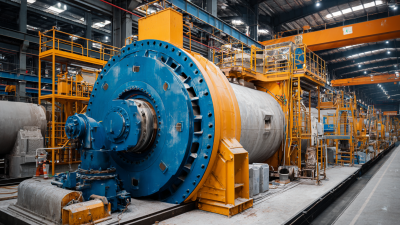
A ball mill is a key equipment in many industries. It is used for grinding materials into a fine powder. This grinding process is vital for the production of various substances, including cement, ceramics, and minerals. The efficiency of ball mills largely depends on their design and operational parameters.
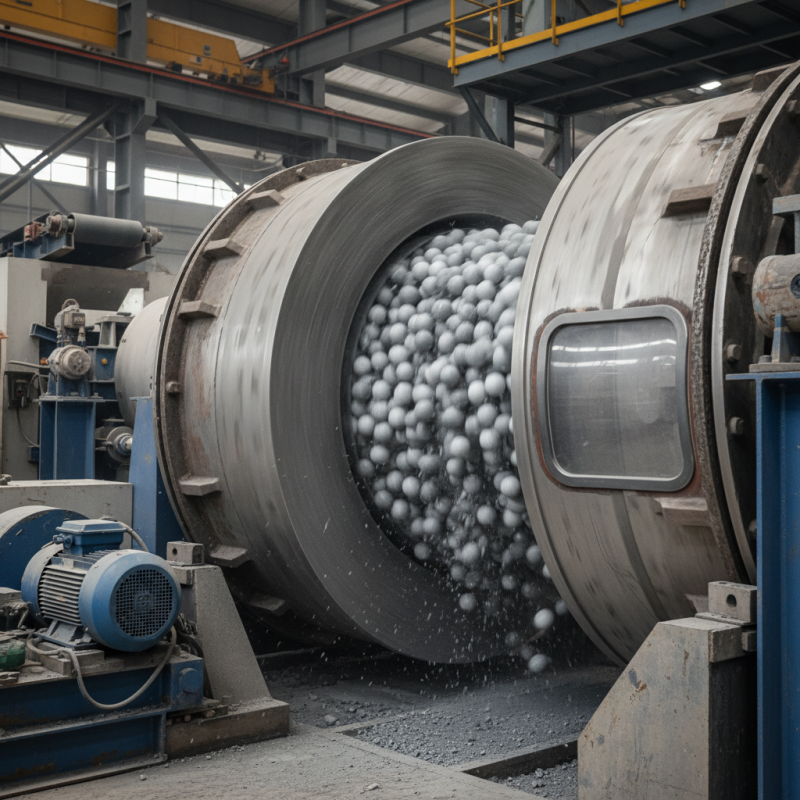
Typically, a ball mill consists of a rotating cylinder filled with balls made of steel or ceramic. As the cylinder rotates, the balls tumble over the material, breaking it down. According to a recent report, ball mills can achieve a grinding efficiency of up to 90%. However, factors like material hardness and moisture content affect performance.
Despite their advantages, ball mills have limitations. They can consume a lot of energy, leading to high operational costs. Additionally, the wear and tear of balls can increase maintenance requirements. Some operators may overlook these aspects, focusing solely on output rather than efficiency. Reports suggest that optimizing the grinding process can reduce energy consumption by 20-30%, highlighting the need for continuous improvement.
What is a Ball Mill and How Does it Work?
| Parameter | Description |
| Type | Cylinder shaped rotating machine |
| Function | Crush and grind materials |
| Materials Processed | Minerals, ores, chemicals, and more |
| Typical Applications | Cement, silicate Products, and metallurgy |
| Ball Material | Steel, ceramic or rubber |
| Advantages | Efficient for large quantities, uniform particle size |
| Disadvantages | High energy consumption, wear and tear |
The History and Development of Ball Mills
The evolution of the ball mill dates back to ancient times. Early versions were simple yet effective. They consisted of a cylindrical chamber filled with grinding media. Initially, these mills were used for grinding grains and ores. Over time, their design became more sophisticated. The modern ball mill is a far cry from its early predecessors.
In the late 19th century, the industrial revolution spurred new developments. Factories began utilizing ball mills for various applications. The introduction of better materials significantly improved efficiency. Today, ball mills are essential in many industries. They are critical for producing everything from powders to fine particles. A Ball Mill For Powder is particularly popular among manufacturers. It creates finely ground substances, essential for numerous products.
Despite advancements, some challenges remain. Operators must monitor the process closely. Overloading the mill can lead to inefficient grinding. It's essential to find the right balance between speed and load. Further research and development continue to shape the future of ball mills. The journey from rudimentary machines to advanced technology is ongoing.
Key Components of a Ball Mill
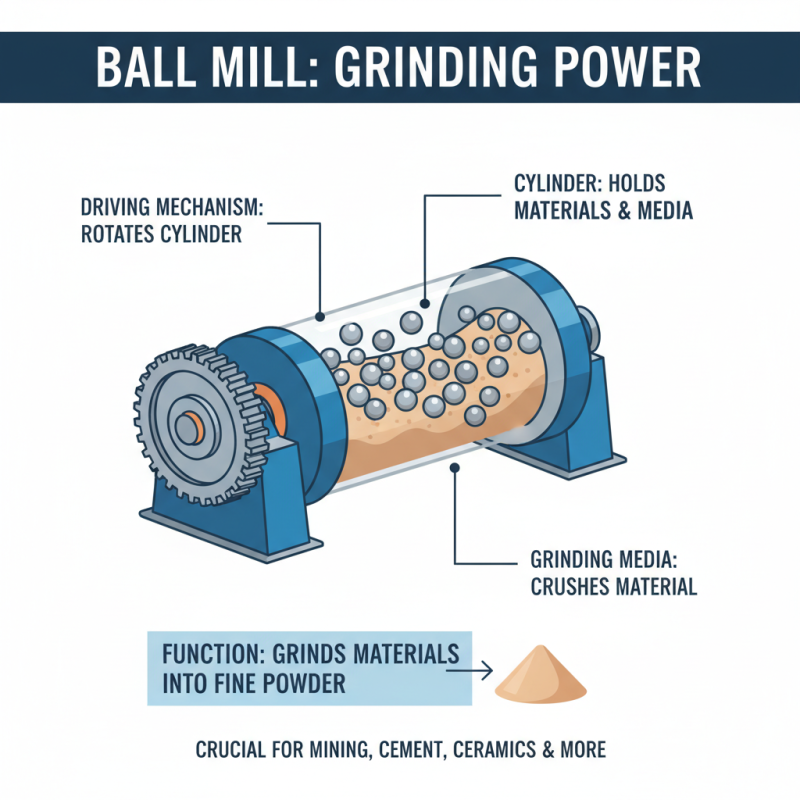
A ball mill is a crucial equipment in various industries. It's designed to grind materials into fine powder. The key components of a ball mill include the cylinder, grinding media, and driving mechanism.
The cylinder, typically made of metal, rotates to mix and crush the materials inside. It is often lined with a material that helps reduce wear and tear. The grinding media, often made of steel or ceramic, are the balls that do the actual crushing. They come in different sizes and densities, affecting the mill’s efficiency.
**Tip:** The combination of media size and material is essential. Lighter balls work well for softer materials.
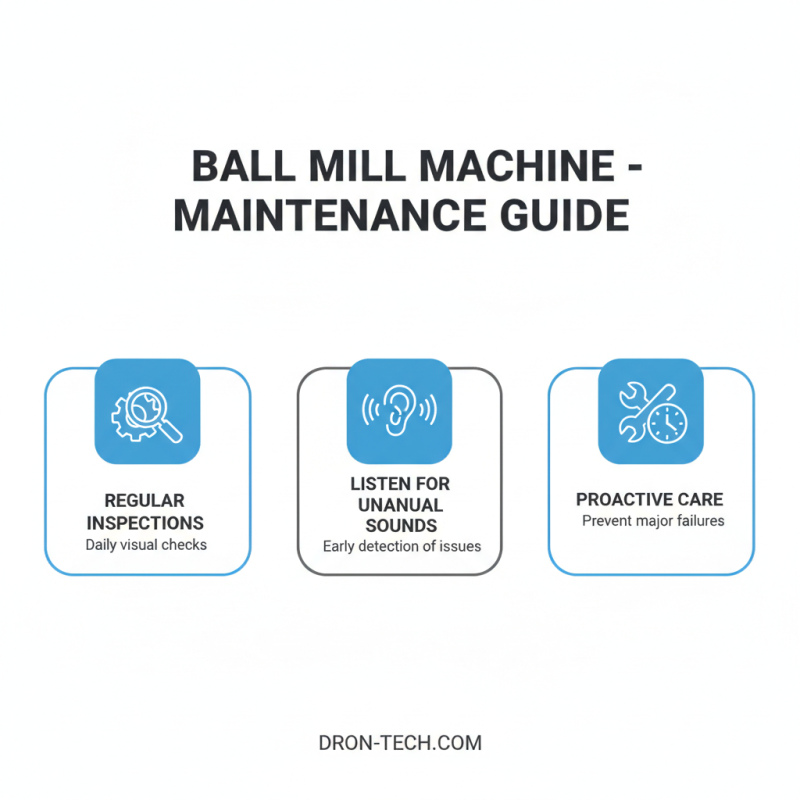
The driving mechanism is what powers the rotation of the cylinder. It can be a simple motor or a more complex gear system. Regular maintenance of this component is critical for optimal performance.
**Tip:** Always check the alignment of the motor. Misalignment can lead to uneven wear and ineffective grinding.
A ball mill does not work perfectly every time. Adjusting the operation parameters is often needed. For instance, too much media can lead to a slowdown in processing. Understanding these components helps improve grinding efficiency and product quality.
How Ball Mills Operate: The Mechanics Behind the Process
Ball mills are essential for grinding materials in various industries. They operate using a cylindrical structure, filled with heavy balls that crush and grind materials inside. As the cylinder rotates, gravity and centrifugal force drive the balls against the material. This process allows for efficient milling, producing fine particles.
The mechanics behind a ball mill include its rotation speed and the size of the balls. Smaller balls are effective for finer grinding, while larger balls are better for breaking down larger chunks. Adjusting these parameters can impact the milling efficiency. Not all ball mills operate the same way, which can lead to inconsistent results if not carefully monitored.
Tips for optimizing ball mill operations include maintaining a consistent feed size. This helps achieve uniform particle size and reduces wear on the mill. Regularly checking the alignment and balance of the mill can prevent unnecessary breakdowns. Also, when exploring suppliers, consider the quality of their materials, as this significantly impacts the milling process. Investing in reliable Ball Mill Suppliers can enhance overall productivity.
Factors Affecting Ball Mill Efficiency
Ball mills are widely used in various industries for grinding materials. However, their efficiency can vary significantly. Key factors influence how well a ball mill performs. One major factor is the size of the balls used. Larger balls may crush materials more effectively, but they can also reduce the grinding surface area. The right balance is crucial.
Another important aspect is the rotational speed of the mill. If the mill rotates too slowly, the balls may not gain enough energy to break down the materials adequately. Conversely, too high a speed can lead to chaotic movement and inefficient grinding. Monitoring speed is essential for optimal results.
The type of material being processed also matters. Harder materials require more energy to grind. Adjusting the milling duration can help fine-tune the process as well. Operators often need to experiment with various setups. Besides, using a Ceramic Ball Mill can provide different benefits compared to traditional steel mills. The choice of equipment impacts not just efficiency, but also the quality of the final product.
Common Applications of Ball Mills in Industry
Ball mills are widely used in various industries, primarily for grinding materials. In the mining sector, they play a crucial role in ore processing. According to recent industry reports, about 40% of global metal production involves the use of ball mills. This highlights their significance in extracting valuable minerals from raw ore.
In the mineral processing industry, ball mills are essential for both comminution and classification processes. They help in grinding silica, copper, and gold ores. A 2022 study showed that nearly 60% of mining operations utilize ball milling as their primary milling technique. Such a widespread application points to their efficiency in particle reduction and the production of fine powder.
Ball mills also have applications in the cement industry. They are vital for producing various types of cement and contribute to about 70% of the total cement manufacturing process. However, inefficiencies such as energy consumption and wear rates are ongoing challenges. Reports indicate that approximately 30% of energy used in cement plants is attributed to grinding processes. Finding ways to optimize ball mill performance remains an important area for industry research.
Conclusion
A ball mill is a crucial piece of equipment in many industrial processes, primarily used for grinding materials into fine powders. The history of ball mills dates back to their initial development for various manufacturing processes, enhancing efficiency and production. Key components of a ball mill include the rotating cylinder, grinding media, and the machinery that facilitates the movement and impact necessary for size reduction.
The operation of a ball mill relies on its mechanics—grinding occurs through the combined impact and attrition of the materials as the cylinder rotates. Several factors influence the efficiency of ball mills, such as the size of the grinding media, speed of rotation, and the duration of the milling process. Common applications span various industries, including mining, cement, and chemical manufacturing. To ensure optimal performance and safety, regular maintenance and adherence to safety protocols are essential for operators working with ball mills.